


What's Happening?
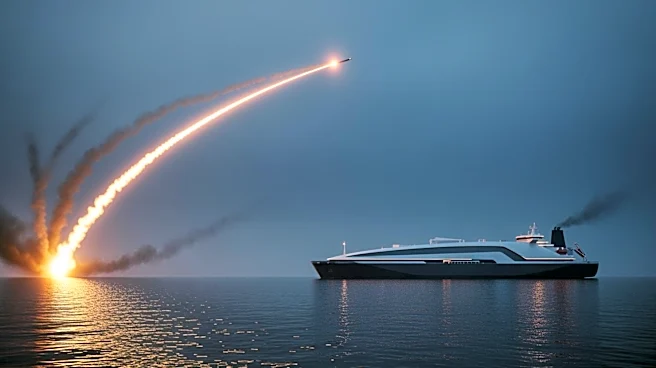
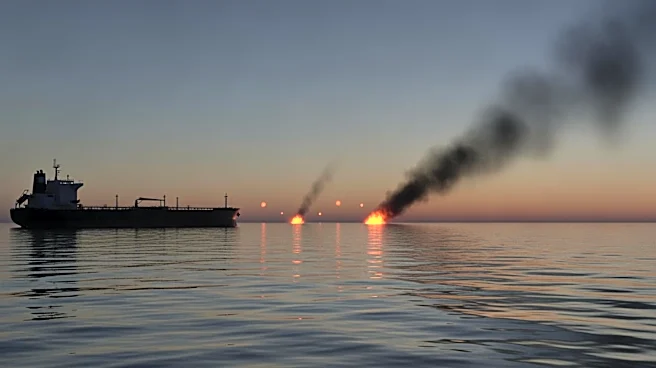
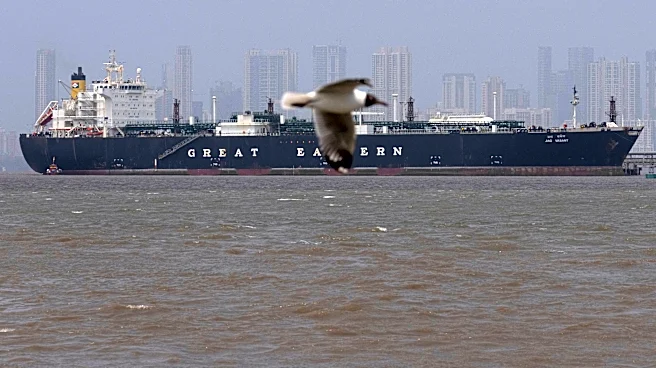
An oil tanker leased to QatarEnergy was struck by an Iranian cruise missile in Qatari waters, according to the Qatari defense ministry. The attack involved three missiles, two of which were intercepted, while the third hit the Aqua 1 fuel oil tanker,
causing damage but no casualties. The incident is part of a series of Iranian attacks on Gulf oil and gas facilities, following Israeli strikes on Iran's gas infrastructure. The conflict has disrupted 17% of Qatar's liquefied natural gas export capacity, posing a threat to energy supplies in Europe and Asia.
Why It's Important?
The missile attack underscores the escalating tensions in the Persian Gulf, which could have significant implications for global energy markets. Qatar is a major exporter of liquefied natural gas, and disruptions to its supply chain could lead to increased energy prices and shortages, particularly in Europe and Asia. The incident highlights the vulnerability of maritime traffic in the region and the potential for further conflict to impact global energy security.
What's Next?
As tensions continue to rise, stakeholders in the energy sector may need to reassess their strategies for securing supply chains and mitigating risks associated with geopolitical conflicts. The international community, including the United States and European nations, may increase diplomatic efforts to de-escalate the situation and ensure the stability of energy supplies.