




What's Happening?
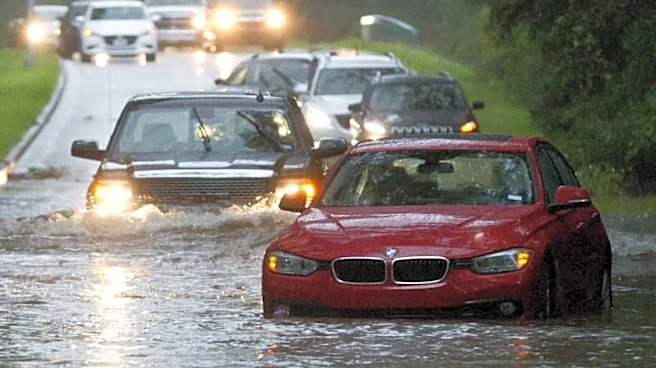
The city of New Richland, Minnesota, has been significantly impacted by severe flooding following heavy rainfall over the weekend. The Waseca County Sheriff’s Office reported that water levels were still rising, with some residents claiming to have received
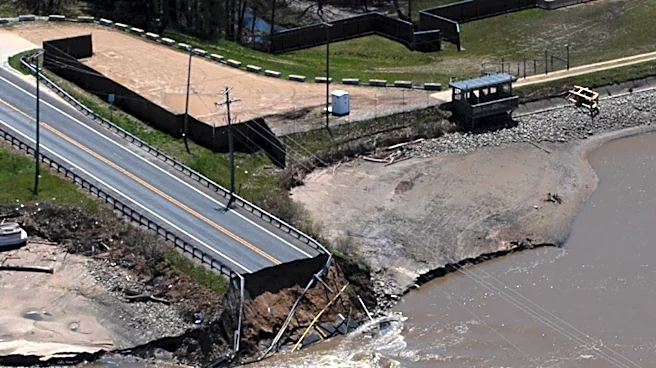
up to 9 inches of rain. This deluge has led to widespread road closures and damage to multiple properties. Notably, the New Richland Care Center, which houses 36 residents, had to be evacuated due to the rising floodwaters. While no injuries have been reported, the Waseca County Sheriff Jay Dulas stated that approximately 80% of homes in New Richland were affected by the flooding. Authorities also shut off power in certain neighborhoods as a precautionary measure, fearing that high water could short out furnaces and electrical appliances.
Why It's Important?
The severe flooding in New Richland highlights the vulnerability of communities to extreme weather events and the immediate challenges they pose. The evacuation of a care center underscores the critical need for robust emergency response plans, especially for vulnerable populations. The extensive damage to homes and infrastructure will result in significant financial burdens for residents and the local government, requiring substantial resources for cleanup and repair. The closure of roads disrupts daily life, commerce, and access to essential services, isolating parts of the community. Furthermore, the power outages add another layer of complexity, impacting safety and communication. This event serves as a stark reminder of the increasing frequency and intensity of such weather phenomena and the importance of community resilience and preparedness.
What's Next?
The immediate focus in New Richland will be on continued flood mitigation efforts, including pumping trucks working to lower water levels, and assessing the full extent of the damage. Community leaders have already reached out to state emergency management officials for assistance, indicating a need for external support in recovery. Residents will face a lengthy cleanup process, with some recalling similar but less extensive flooding in 2016, suggesting a recurring issue. The long-term implications will involve evaluating and potentially upgrading local infrastructure, such as storm drains, to better handle future heavy rainfall events. The experience will likely prompt discussions on improved flood preparedness, early warning systems, and community-wide resilience strategies to protect against future environmental challenges.
Beyond the Headlines
The New Richland flooding incident extends beyond immediate disaster response, touching upon broader themes of climate adaptation and community solidarity. The rapid and overwhelming nature of the rainfall, exceeding the capacity of existing infrastructure, points to the need for a re-evaluation of urban planning and drainage systems in the face of changing weather patterns. The community's response, with neighbors and volunteers assisting in sandbagging and evacuations, exemplifies the critical role of social cohesion during crises. This event could also spark conversations about insurance coverage for flood damage, particularly in areas not traditionally considered high-risk, and the financial strain on homeowners. Ultimately, it underscores the ongoing challenge for smaller towns to secure adequate resources and expertise to adapt to and recover from increasingly unpredictable environmental events.