








What's Happening?
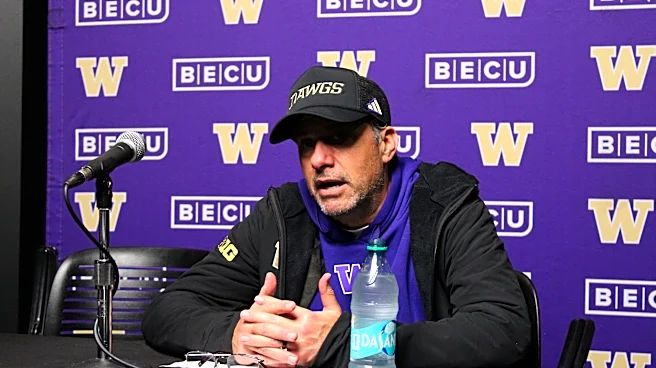
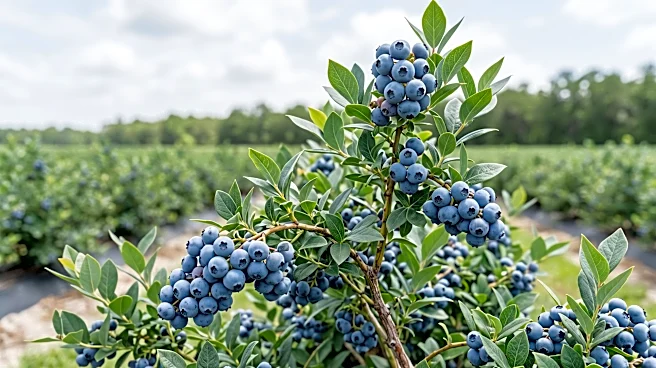
Doug Phillips, the University of Florida Institute of Food and Agricultural Sciences (UF/IFAS) blueberry Extension coordinator, is stressing the critical importance of thorough documentation for Florida producers in the face of natural disasters. Florida frequently
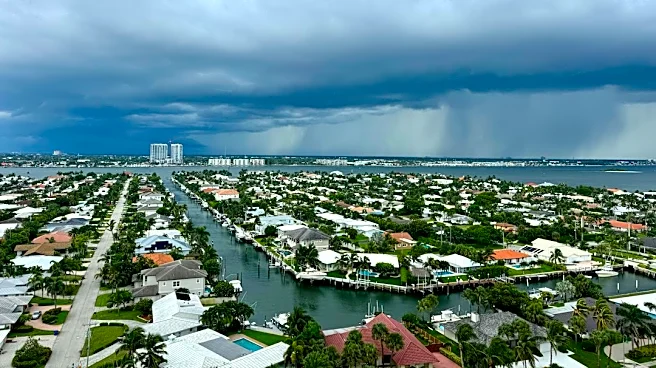
experiences various natural disaster events, from annual tropical storms and hurricanes to severe freeze events. Phillips advises growers to capture photographic or video evidence of their fields and plants before an anticipated weather event. Following a disaster, and prior to initiating any repairs, additional photographic and video documentation of the damage is crucial. This 'before and after' evidence is essential for supporting crop insurance claims and justifying requests for disaster assistance recovery funding.
Why It's Important?
The emphasis on meticulous documentation directly impacts the financial recovery and resilience of Florida's agricultural sector, particularly for blueberry producers. Without adequate records, growers may face significant challenges in securing necessary crop insurance payouts and federal or state disaster assistance. This could lead to substantial financial losses, hindering their ability to rebuild and resume operations. The proactive approach advocated by Phillips aims to streamline the claims process, ensuring that producers can access vital funds more efficiently. This is particularly relevant given the frequent and diverse natural disasters that affect Florida, making robust preparedness and recovery mechanisms indispensable for the state's agricultural economy.
What's Next?
Florida producers are encouraged to adopt these documentation practices immediately, especially as the state prepares for future weather events. The lessons learned from past events, such as the generational freeze earlier this year, highlight the ongoing need for improved preparedness. The UF/IFAS Extension will likely continue to educate growers on these best practices, potentially integrating them into broader disaster preparedness programs. The effectiveness of these documentation efforts will be tested with each subsequent natural disaster, influencing the speed and success of recovery for individual farms and the agricultural industry as a whole.
Beyond the Headlines
The call for comprehensive documentation extends beyond mere administrative compliance; it underscores a broader shift towards data-driven disaster recovery. In an era of increasing climate volatility, the ability to accurately assess and prove losses becomes a cornerstone of economic stability for vulnerable sectors like agriculture. This practice could also influence policy-making, potentially leading to more standardized documentation requirements for disaster aid programs. Furthermore, the visual evidence collected could serve as valuable data for researchers and policymakers to better understand the impacts of natural disasters and develop more effective mitigation and recovery strategies in the future.