





What's Happening?
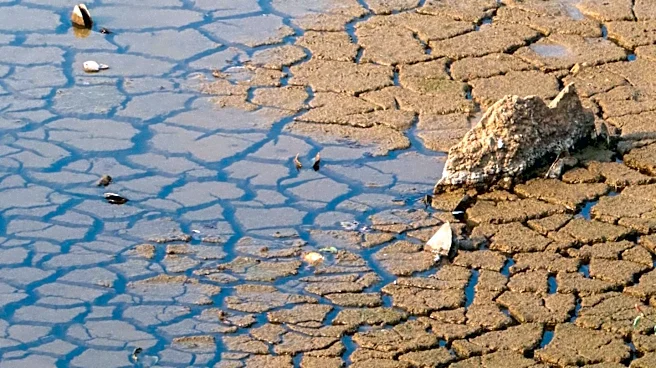
The Arkansas-Louisiana-Mississippi region is experiencing widespread and severe drought conditions, with 94% of the area classified under Moderate to Exceptional Drought (D1-D4). Arkansas is particularly affected, with nearly 50% of the state in Exceptional Drought.
This severe drought has rapidly intensified since August, following the warmest August–October period on record for all three states, coupled with near-record dryness. These conditions have led to significant impacts, including a high fire risk across southeastern Arkansas, most of Louisiana, and western/southern Mississippi, prompting numerous burn and outdoor fire bans. Agriculture is heavily strained, affecting row crops and livestock production, while water levels are significantly depleted, impacting wetlands, local wildlife, and communities. The U.S. Drought Monitor map for November 12, 2026, shows extensive areas of Severe to Exceptional Drought (D2–D4).
Why It's Important?
The persistent and severe drought in Arkansas, Louisiana, and Mississippi carries significant economic and environmental implications for the U.S. The agricultural sector, a cornerstone of these states' economies, faces substantial losses due to damaged crops and stressed livestock, potentially leading to increased food prices and reduced agricultural output nationwide. The high fire risk poses a direct threat to property, infrastructure, and human lives, requiring extensive resources for fire suppression and prevention. Depleted water levels impact not only local ecosystems and wildlife but also critical industries reliant on water resources, such as shipping along the Mississippi River. While high flows from the Upper Mississippi are temporarily alleviating low-flow concerns on the Lower Mississippi, sustained drought could disrupt navigation and commerce, affecting supply chains and economic activity across the central U.S. The long-term effects could include soil degradation and increased vulnerability to future climate events.
What's Next?
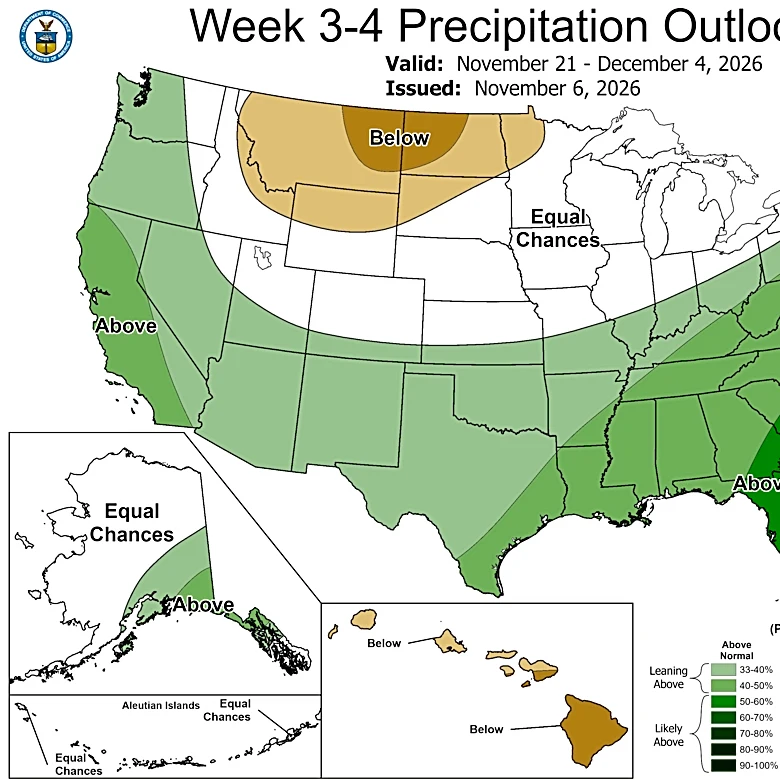
The NOAA Climate Prediction Center's seasonal drought outlook suggests that drought improvement or removal is likely by the end of January across most of the Arkansas-Louisiana-Mississippi region. However, until significant rainfall occurs, the immediate future will likely see continued high fire risks and ongoing strain on agricultural operations. Local authorities are expected to maintain or expand burn bans to mitigate fire hazards. Farmers and ranchers will need to implement drought-resistant strategies and potentially seek federal aid to cope with losses. Water management agencies will continue to monitor river levels and water availability, potentially implementing further restrictions if conditions do not improve. The U.S. Drought Monitor will update weekly, providing crucial data for decision-makers and affected communities to adapt to the evolving situation.
Beyond the Headlines
Beyond the immediate economic and environmental concerns, this prolonged drought highlights the increasing vulnerability of the U.S. to climate change and extreme weather events. The record-breaking warmth and dryness underscore a broader pattern of climatic shifts that demand long-term adaptation strategies. This situation could accelerate discussions on sustainable water management practices, investment in drought-resistant crops, and improved early warning systems for agricultural and fire risks. The impact on wetlands and wildlife also brings to the forefront the delicate balance of ecosystems and the need for comprehensive conservation efforts. Furthermore, the strain on the Mississippi River's navigability could prompt a re-evaluation of inland waterway infrastructure and its resilience to climate variability, potentially influencing national transportation and trade policies.