

What's Happening?
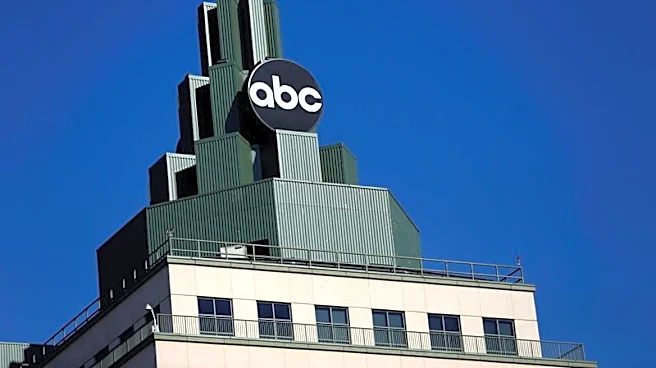
Disney has filed a lawsuit against the Federal Communications Commission (FCC) in a federal court in Washington, D.C., challenging an order for early license renewals for eight ABC-owned and -operated stations across the United States. The media giant
claims this move is a 'political retaliatory campaign' by the administration of President Trump, aimed at intimidating the company due to its news coverage. The FCC had ordered the network's stations, including affiliates in New York and Los Angeles, to file their license renewals ahead of schedule, despite six of these stations not being halfway through their current terms. The station with the most immediate deadline, WTVD in Durham, North Carolina, is not due for renewal until December 2028. Disney's 46-page complaint asserts that the administration has repeatedly attacked ABC's speech, escalating to demands that the network be stripped of its broadcast licenses because of its reporting and viewpoints.
Why It's Important?
This lawsuit highlights a significant conflict between a major media corporation and a federal regulatory body, raising concerns about press freedom and potential government overreach. If Disney's allegations of political retaliation are substantiated, it could set a precedent for how administrations interact with news organizations, potentially chilling critical reporting. The FCC's stated reason for the early renewal call, citing diversity, equity, and inclusion practices at Disney and an investigation into ABC's 'The View' program, is being challenged as a pretext. Free speech advocates, such as Seth Stern of the Freedom of the Press Foundation, have praised ABC for taking legal action, viewing it as a necessary step against what they describe as an 'endless campaign of intimidation and retaliation against journalism.' The outcome of this case could redefine the boundaries of regulatory power and media independence in the U.S.
What's Next?
Disney has requested a 'speedy hearing' and a temporary restraining order as part of its complaint. The legal proceedings will likely involve a thorough examination of the FCC's motivations for demanding early license renewals and the evidence presented by Disney regarding alleged political retaliation. The lawsuit's progression will be closely watched by other media organizations, legal experts, and civil liberties groups, as it could influence future interactions between the government and the press. The FCC will need to defend its actions against Disney's claims, potentially revealing more about its regulatory approach under the current administration. The stock market reacted positively to the news of the lawsuit, with Disney's stock surging by 1.1 percent in morning trading, indicating investor confidence in the company's legal challenge.
Beyond the Headlines
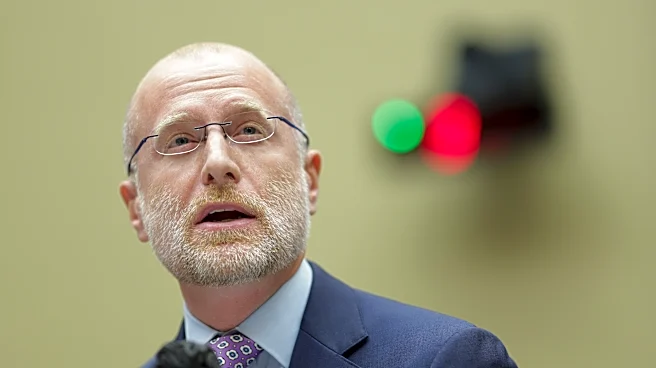
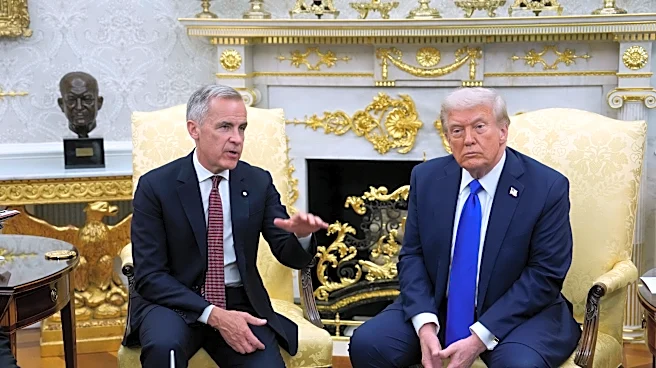
Beyond the immediate legal battle, this case touches upon deeper issues concerning the role of media in a democratic society and the potential for executive influence over independent journalism. The lawsuit references President Trump's past social media posts from 2025, where he allegedly threatened that ABC 'should lose their Licences for their unfair coverage of Republicans and/or Conservatives.' Such statements, coupled with FCC Chairman Brendan Carr's previous threats against broadcasters airing 'fake news,' suggest a broader pattern of tension between the administration and certain media outlets. The outcome could either reinforce the independence of broadcast media from political pressure or, conversely, embolden future administrations to use regulatory powers to influence news content. This situation underscores the ongoing debate about media bias, government accountability, and the protection of free speech under the First Amendment.