


What's Happening?
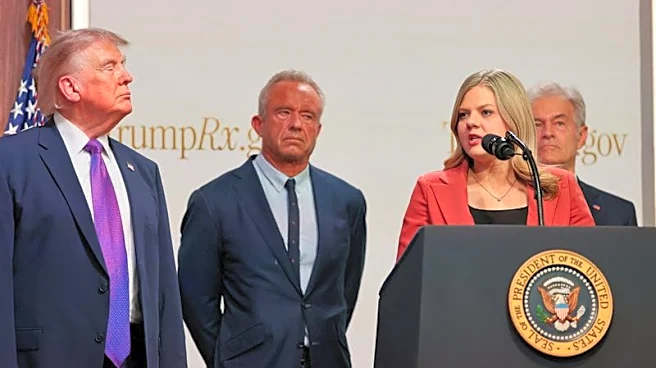
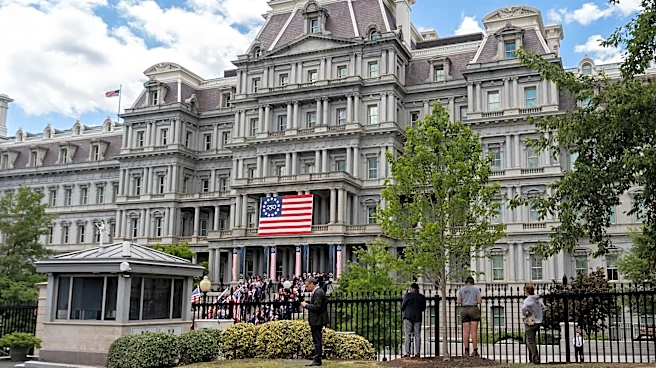
President Trump is hosting a significant White House crypto summit, bringing together leading crypto executives, traditional finance figures, and regulatory heads from the Securities and Exchange Commission (SEC) and the Commodity Futures Trading Commission (CFTC).
The meeting aims to establish a clear direction for digital assets in the U.S. This summit occurs as the CLARITY Act, a crucial bill intended to define the jurisdictional boundaries of the SEC and CFTC over digital assets, faces delays in the Senate. The bill's passage odds for 2026 have decreased significantly, prompting the administration to pursue agency-level actions. The gathering is also a kickoff for the CFTC's newly formed Innovation Advisory Committee, which includes representatives from major crypto and traditional finance entities like Coinbase, a16z, Ripple, Chainlink, Kalshi, CME Group, and Intercontinental Exchange. Patrick Witt, executive director of the president's council of advisers for digital assets, is expected to attend.
Why It's Important?
This White House crypto summit is critical for the U.S. digital asset landscape, particularly given the legislative gridlock surrounding the CLARITY Act. The administration's shift towards agency-level engagement signals a proactive approach to regulatory clarity, which could significantly impact the crypto industry. The involvement of both crypto and traditional finance leaders, including Nasdaq, NYSE, and CME Group, underscores the growing integration of digital assets into the broader financial system. Clearer regulations could foster innovation, attract more investment, and provide a more stable operating environment for crypto businesses. Conversely, continued uncertainty or overly restrictive measures could stifle growth and push innovation overseas. The focus on tokenization of real-world assets and prediction markets highlights emerging areas of interest that could reshape financial infrastructure and investment opportunities. The outcomes of this summit could set precedents for how digital assets are regulated and integrated into the U.S. economy for years to come.
What's Next?
Following the White House crypto summit, the CFTC's Innovation Advisory Committee will hold its inaugural session, focusing on 'Crypto’s Regulatory Evolution: From Uncertainty to Clarity.' This committee is expected to play a key role in shaping future agency-level guidance and rulemaking. Investors will be closely monitoring official statements and any new regulations that emerge after the summit, as historically, pro-industry signals from Washington have positively influenced Bitcoin and other major crypto assets. While concrete outcomes remain uncertain until official announcements, the administration is signaling its intent to advance crypto through mechanisms like safe harbors, exemptions, and coordinated SEC-CFTC rulemaking, even without immediate legislative action. The discussions around tokenization and prediction markets could lead to new frameworks and opportunities for these specific segments of the crypto market. The participation of Coinbase and Ripple executives suggests continued advocacy for clearer on-chain equity frameworks and tokenization infrastructure.
Beyond the Headlines
The White House crypto summit delves deeper than immediate regulatory concerns, touching upon the fundamental shift in how financial assets are perceived and managed. The emphasis on tokenization of real-world assets suggests a long-term vision where traditional assets, from real estate to intellectual property, could be represented and traded on blockchain networks. This could democratize access to investments, increase liquidity, and enhance transparency, but also introduces complex legal and ethical questions regarding ownership, custody, and dispute resolution in a decentralized environment. The administration's interest in prediction markets also highlights a broader societal implication: the potential for decentralized platforms to aggregate collective intelligence for forecasting events, which could have applications beyond finance, such as in policy-making or scientific research. However, these markets also raise concerns about manipulation, ethical considerations in betting on real-world outcomes, and the need for robust regulatory oversight to prevent misuse. The ongoing dialogue between traditional finance and crypto leaders at such high-level meetings signifies a gradual but profound transformation of the global financial system.