



What's Happening?
The Trump administration has initiated the recall of nearly 30 career diplomats from ambassadorial and senior embassy positions as part of a strategic reshaping of U.S. diplomatic efforts abroad. This move aligns with President Trump's 'America First'
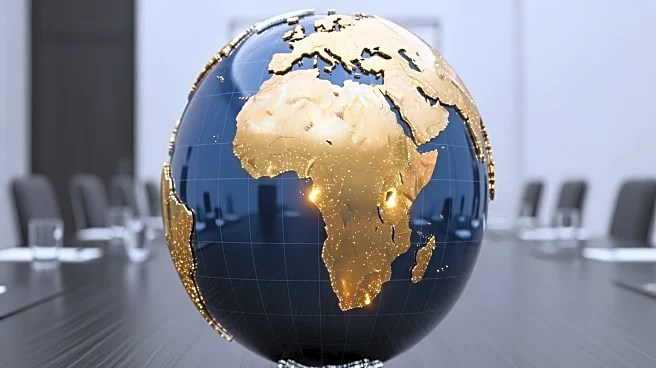
agenda, aiming to ensure that diplomatic representatives fully support his policies. The affected diplomats, who were appointed during the Biden administration, were informed of their impending departure, which is set to occur in January. The State Department has described this as a standard administrative process, emphasizing the president's prerogative to appoint ambassadors who align with his vision. The majority of the changes impact African nations, with 13 countries on the continent seeing ambassadorial shifts. Other regions affected include Asia, Europe, the Middle East, South and Central Asia, and the Western Hemisphere.
Why It's Important?
This diplomatic reshuffle underscores the administration's focus on aligning international representation with its domestic policy priorities. By replacing career diplomats with individuals more closely aligned with President Trump's agenda, the administration seeks to reinforce its foreign policy objectives. This move could have significant implications for U.S. relations with the affected countries, particularly in Africa and Asia, where the majority of changes are occurring. The decision may also impact the morale and operational dynamics within the State Department, as career diplomats are reassigned or return to Washington. Additionally, this action reflects broader trends in U.S. foreign policy under the Trump administration, which has often prioritized bilateral relationships and transactional diplomacy.
What's Next?
As the recalled diplomats prepare to return to Washington, the administration will likely begin the process of appointing new ambassadors. These appointments will need to be confirmed by the Senate, which could lead to political debates, especially if the nominees are perceived as overly partisan. The affected countries may also respond diplomatically, potentially seeking reassurances about the continuity of U.S. relations and policies. Within the State Department, there may be internal discussions about the impact of these changes on diplomatic strategy and personnel management. Observers will be watching closely to see how these shifts influence U.S. foreign policy and international perceptions of American diplomatic priorities.