



What's Happening?
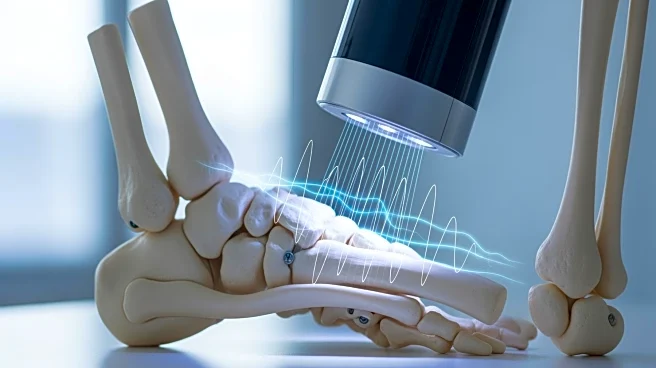
Shockwave therapy is gaining attention as a non-invasive treatment for overuse injuries such as plantar fasciitis and tennis elbow, which are becoming more common as the U.S. population ages and remains active. The therapy involves using a device to deliver
high-intensity pressure waves to the affected area, promoting blood flow and tissue repair. Initially approved by the FDA in the early 2000s for specific conditions, shockwave therapy is now being researched for a broader range of musculoskeletal issues. Dr. Joshua Romero from the Mayo Clinic notes that the technology has improved over time, making it a viable option for those seeking to maintain an active lifestyle without the downtime associated with surgery or injections. However, the treatment is not typically covered by insurance, with costs ranging from $100 to several hundred dollars per session.
Why It's Important?
The increasing popularity of shockwave therapy highlights a shift towards non-invasive treatments that allow individuals to continue their active lifestyles. This is particularly significant as the U.S. population ages, with more than 80 million adults expected to be 65 or older by mid-century. The ability to manage pain without surgery or significant downtime is crucial for maintaining quality of life and independence in older adults. Additionally, the therapy's potential to reduce the need for more invasive procedures could lead to cost savings in healthcare, although the lack of insurance coverage remains a barrier for many. The therapy's effectiveness in reducing pain and promoting healing could also influence future healthcare policies and insurance coverage decisions.
What's Next?
As research continues to explore the full range of conditions that shockwave therapy can effectively treat, there may be increased advocacy for insurance coverage. Healthcare providers and patients alike may push for broader acceptance of the therapy as a standard treatment option, especially if further studies confirm its efficacy and cost-effectiveness. Additionally, advancements in the technology could lead to more accessible and affordable treatment options, potentially increasing its adoption across various healthcare settings. Stakeholders, including medical professionals and patient advocacy groups, may play a key role in driving these changes.