
What's Happening?
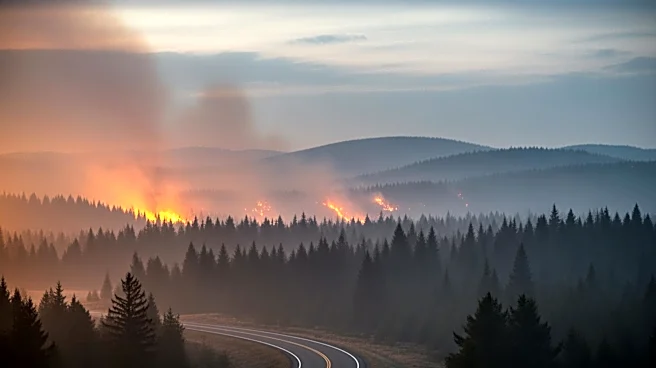
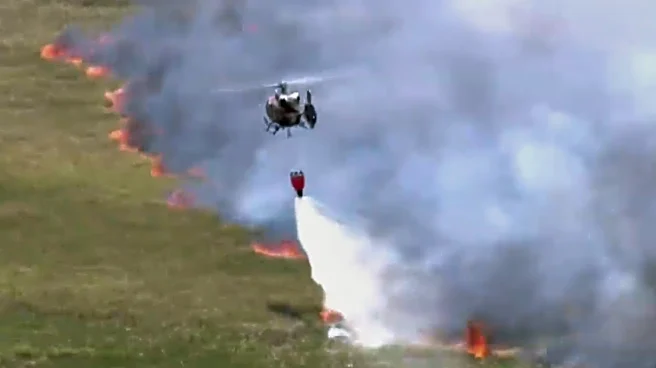
Wildfires in Georgia and Florida are rapidly spreading, leading to significant evacuations and destruction of homes. On April 22, Georgia Governor Brian Kemp declared a state of emergency for 91 counties
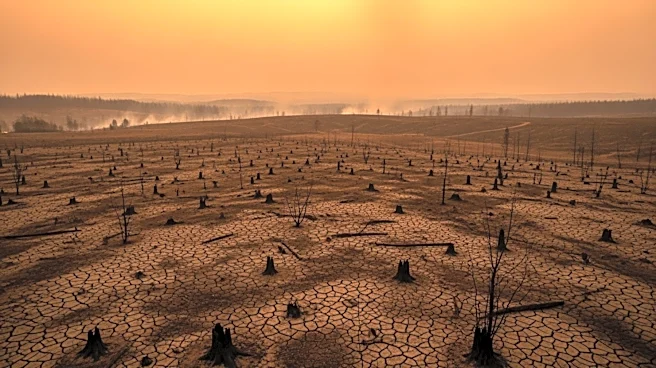
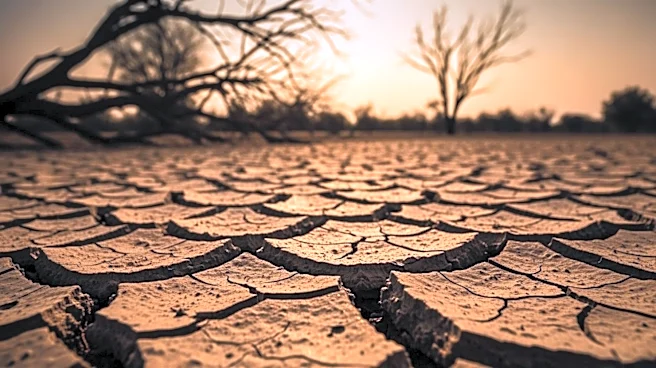
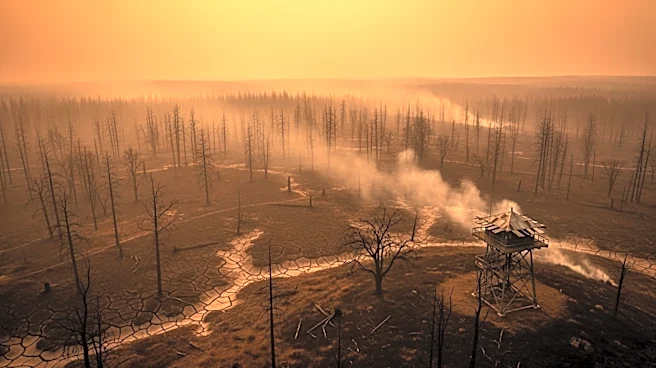
due to the ongoing wildfires. The fires have already exceeded the state's five-year average, fueled by extreme drought conditions. The National Weather Service has reported that smoke from the fires in northern Florida and southern Georgia is affecting air quality as far north as central Georgia. Over 50 homes have been destroyed in southeast Georgia, and multiple counties in both states have implemented burn bans. This marks the first time Georgia has issued such a ban. The drought conditions, classified as 'extreme' and 'exceptional,' are contributing significantly to the spread of these fires.
Why It's Important?
The wildfires in Georgia and Florida highlight the increasing vulnerability of the southeastern United States to natural disasters exacerbated by climate change. The declaration of a state of emergency underscores the severity of the situation, affecting thousands of residents who face displacement and property loss. The economic impact is also significant, with potential losses in agriculture and tourism, two key industries in the region. The fires pose a threat to public health due to poor air quality, which can exacerbate respiratory conditions. The situation calls for urgent attention to climate resilience and disaster preparedness in the region, as experts warn of a potentially severe wildfire season.
What's Next?
Authorities in Georgia and Florida are likely to continue monitoring the situation closely, with potential for further emergency measures if conditions worsen. The implementation of burn bans is a critical step in preventing additional fires. Residents in affected areas may face prolonged evacuations and disruptions. State and local governments may seek federal assistance to manage the crisis and support recovery efforts. The ongoing drought conditions suggest that the risk of wildfires will persist, necessitating long-term strategies for water management and fire prevention.