








What's Happening?
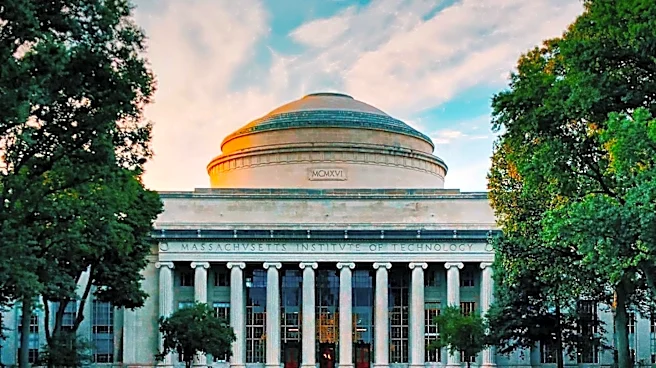
The Massachusetts Institute of Technology (MIT) is making significant progress on its campus decarbonization goals, which were established in 2021 as part of its Fast Forward climate action plan. Over the past decade, MIT has reduced energy use per square
foot by more than 10%, despite campus growth and increased research activity. The Institute has also expanded rooftop solar power generation by over five times, installing panels on multiple buildings including the Stratton Student Center and the New Vassar undergraduate residence hall. Thirty-three MIT building projects have achieved Leadership in Energy and Environmental Design (LEED) certification, and the Tina and Hamid Moghadam Building became MIT’s first Living Future Zero Carbon Certified building in May. Since 2014, 101 of the 168 buildings on MIT’s Main Campus have undergone energy-efficiency upgrades, with plans for continued investment in such projects through the 2030 Capital Plan. These efforts include optimizing heat-recovery systems, deploying advanced controls for ventilation, heating, and cooling, and utilizing artificial intelligence to manage classroom and office temperatures based on various factors.
Why It's Important?
MIT's comprehensive approach to campus decarbonization serves as a significant model for other large institutions and urban centers aiming to reduce their carbon footprint. By integrating energy efficiency, renewable energy, and advanced technologies like AI into its infrastructure, MIT demonstrates a scalable pathway toward sustainability. The Institute's efforts to transition away from natural gas in its Central Utilities Plant and explore large-scale electric heat pump plants highlight a broader shift in energy production and distribution strategies. Furthermore, MIT's collaborations on large-scale renewable energy projects in regions heavily reliant on fossil fuels, such as the Summit Farms solar farm in North Carolina and the Big Elm Solar facility in Texas, illustrate how institutions can contribute to decarbonizing regional electricity grids beyond their immediate operational boundaries. These projects not only reduce emissions but also generate substantial economic benefits, including job creation, and health improvements, showcasing the multifaceted positive impacts of such initiatives.
What's Next?
MIT plans to continue investing in energy efficiency upgrades as a core element of all comprehensive building renewal projects under its 2030 Capital Plan. Future initiatives include further optimizing heat-recovery systems, deploying more sophisticated controls for ventilation, heating, and cooling, and using artificial intelligence to set classroom and office temperatures based on weather forecasts, occupancy patterns, and the forecasted carbon intensity of the regional power grid. The Institute is also exploring the creation of a large-scale electric heat pump plant adjacent to its Central Utilities Plant to move away from burning natural gas, with design processes currently underway. Additionally, MIT is transitioning its existing steam-based infrastructure to a hot-water system and aims to increase its reliance on the power grid for electricity as more renewables are added. MIT has also become an anchor institution in the BosTEN Project, a year-long study exploring the feasibility of creating a city-scale thermal network in the Boston and Cambridge area, which could serve as a model for broader urban decarbonization strategies.
Beyond the Headlines
The long-term implications of MIT's decarbonization strategy extend beyond its campus, aiming to influence broader urban and regional sustainability efforts. By developing and implementing innovative energy solutions, MIT is not only reducing its own environmental impact but also acting as a living laboratory for scalable climate technologies. The Institute's focus on transitioning from steam to hot-water systems and exploring city-scale thermal networks, like the BosTEN Project, suggests a paradigm shift in how urban environments can manage energy. This approach highlights the potential for academic institutions to drive significant change through research, innovation, and direct application, fostering a collaborative ecosystem with municipal partners and neighboring institutions. The integration of AI for energy management also points to a future where intelligent systems play a crucial role in optimizing energy consumption and reducing carbon emissions, setting a precedent for smart, sustainable infrastructure development.