





What's Happening?
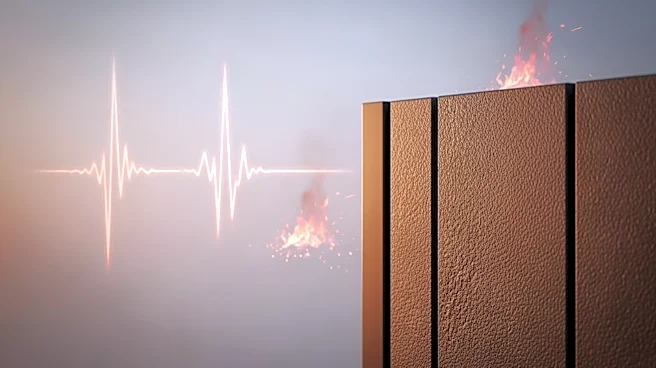
A new wave of wildfire home-defense technology is emerging, promising to protect homes from devastating fires. These innovations include systems that monitor fires via satellite and activate water cannons, and high-tech speakers that disrupt combustion
processes. One particularly novel idea involves lowering homes into subterranean vaults during wildfires. Despite the excitement, these technologies are expensive and largely unproven. Fire safety experts caution that reliance on such tech could lead to dangerous behaviors, such as ignoring evacuation orders. The cost of these systems is significantly higher than traditional fire prevention methods, with some retractable homes estimated to cost $1,000 per square foot.
Why It's Important?
The development of advanced wildfire defense technologies highlights the growing concern over wildfire risks, particularly in fire-prone areas like California. While these innovations offer potential solutions, their high costs and unproven effectiveness raise questions about accessibility and practicality for the average homeowner. The reliance on such technology could also lead to complacency, potentially endangering lives if evacuation orders are ignored. This situation underscores the need for balanced approaches that combine new technologies with established fire safety practices. The financial implications are significant, as homeowners may face substantial investments without guaranteed protection.
What's Next?
As these technologies continue to develop, further testing and validation will be crucial to determine their effectiveness in real-world scenarios. Researchers will need to conduct controlled tests and analyze data from homes that have used these systems during actual wildfires. The industry may also see efforts to reduce costs, making these technologies more accessible. Meanwhile, fire safety officials and policymakers will likely continue to emphasize the importance of traditional fire prevention measures alongside new innovations. Homeowners in fire-prone areas will need to weigh the risks and benefits of investing in these technologies.