



What's Happening?
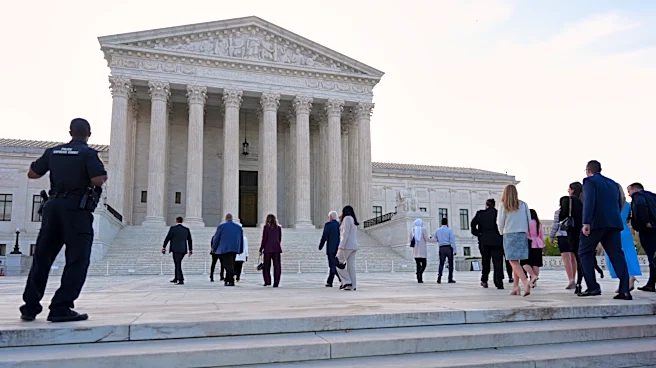
The U.S. Supreme Court has ruled 8-1 against a Colorado law banning conversion therapy for youth, citing free speech concerns. The case, Chiles v Salazar, was brought by Kaley Chiles, a counselor who argued that the ban infringed on her free speech rights.
The ruling sends the case back to a lower court for further review. The decision has significant implications for similar laws in 23 states that restrict conversion therapy practices. The court's ruling has sparked debate over the balance between free speech and the protection of LGBTQ+ youth from harmful practices.
Why It's Important?
The ruling could have far-reaching consequences for LGBTQ+ rights and healthcare regulations across the U.S. It challenges the legal framework of existing bans on conversion therapy, potentially affecting the enforcement of these laws. The decision raises concerns about the protection of vulnerable youth from practices deemed harmful by leading medical organizations. It also highlights the ongoing tension between free speech rights and the regulation of professional conduct in healthcare settings. The ruling may embolden opponents of conversion therapy bans and influence future legal challenges.
What's Next?
The case will return to a lower court for a more rigorous review, where Colorado's law will face strict scrutiny. The outcome could set a precedent for other states with similar bans. Advocates for LGBTQ+ rights may seek alternative legal strategies to protect youth from conversion therapy. The ruling may also prompt legislative efforts to address the court's concerns while maintaining protections for LGBTQ+ individuals. The broader implications for healthcare regulation and free speech will likely continue to be a topic of legal and public debate.