





What's Happening?
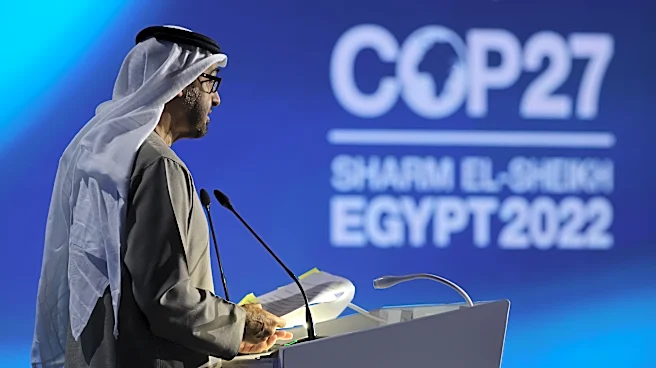
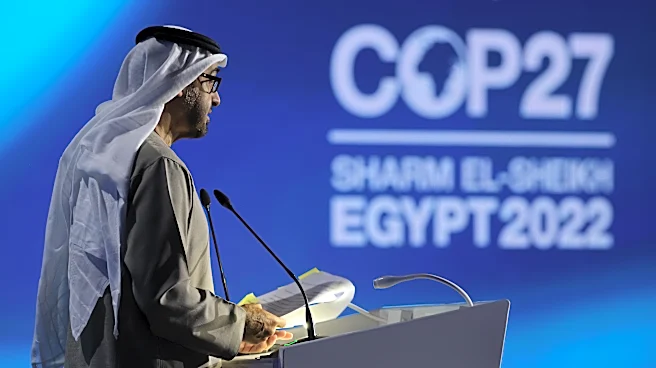
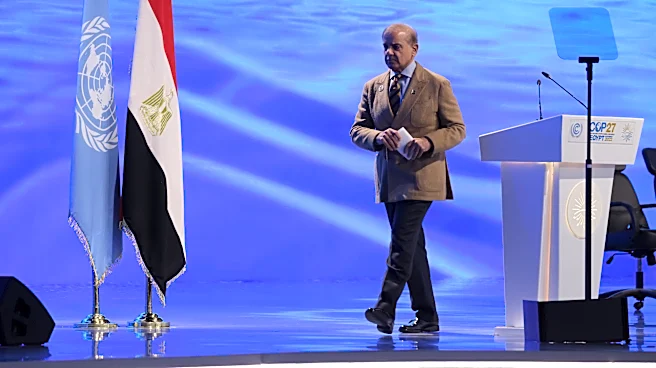
The thirty-first session of the UN Climate Change Conference (COP31) is scheduled to take place from November 9 to November 20, 2026, at the Antalya Exhibition Center in Antalya, Turkey. This annual conference, which has been held since 1995, serves as the largest
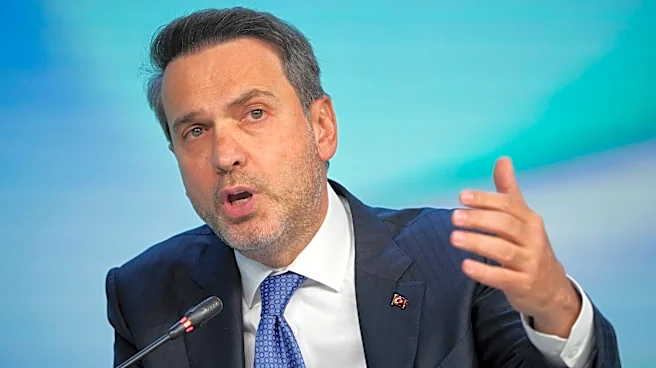
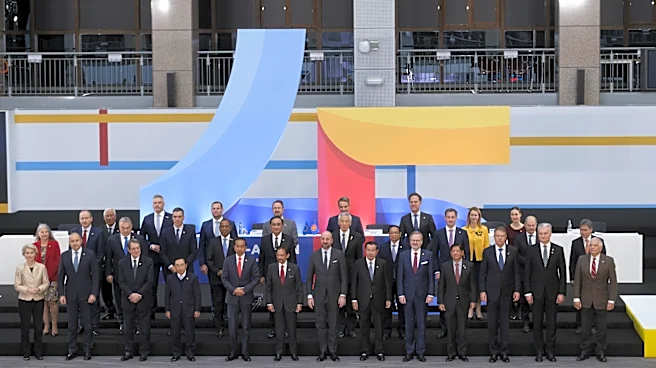
international gathering for negotiating and advancing global cooperation on climate change. Representatives from governments, international organizations, scientific communities, businesses, civil society institutions, and environmental activists are expected to attend. Murat Kurum will chair the conference, with Chris Bowen, Australia’s Minister for Climate Change and Energy, chairing the negotiations. A World Leaders’ Summit is planned for November 11 and 12, bringing together heads of state and government. Key themes for COP31 include reducing greenhouse gas emissions, transitioning from fossil fuels to clean energy, financing climate action in developing countries, adapting to climate change, and promoting climate justice. The conference aims to address the persistent gap between political promises and practical action in reducing emissions, as highlighted by a 2025 UNEP report indicating that current commitments are insufficient to meet Paris Agreement goals.
Why It's Important?
The COP31 conference is crucial for global efforts to combat climate change, particularly given the ongoing challenges in meeting the goals of the Paris Agreement. The focus on reducing greenhouse gas emissions and accelerating the transition to clean energy directly impacts U.S. industries and energy policy. The U.S., as a major economy and emitter, plays a significant role in these discussions, and any international agreements or commitments made at COP31 could influence domestic regulations, investments in renewable energy, and the phasing out of fossil fuels. The emphasis on financing developing countries for climate action also has implications for U.S. foreign aid and international climate finance contributions. Furthermore, the discussions on climate justice and adaptation to climate change consequences, such as drought and sea-level rise, are relevant to U.S. communities and infrastructure, particularly those vulnerable to extreme weather events. The conference's success in narrowing the gap between political promises and practical action will determine the trajectory of global climate efforts and their impact on the U.S. economy and environment.
What's Next?
Ahead of COP31 in November 2026, countries are expected to continue developing and refining their national emissions reduction plans and climate targets. The conference itself will involve intensive negotiations on various aspects of climate action, including the specifics of greenhouse gas reduction commitments, mechanisms for transitioning to clean energy, and the allocation of financial resources for developing nations. Following COP31, the focus will shift to the implementation and enforcement of any new agreements or strengthened commitments. The effectiveness of these outcomes will depend on the political will of participating governments, including the U.S., and their ability to translate international pledges into concrete domestic policies and actions. Stakeholders such as environmental groups, businesses, and scientific communities will likely monitor progress and advocate for stronger measures. The ongoing challenge of bridging the gap between commitments and practical action will remain a central concern in the years following the conference.
Beyond the Headlines
The recurring theme of the gap between political promises and practical action at UN climate conferences, including the upcoming COP31, highlights a fundamental challenge in global governance and environmental policy. This persistent discrepancy raises questions about the efficacy of international agreements without robust enforcement mechanisms. The economic and geopolitical dimensions of transitioning from fossil fuels are profound, as many nations, including the U.S., balance environmental goals with energy security and economic stability. The discussions around climate justice underscore deeper ethical considerations regarding historical responsibility for emissions and equitable burden-sharing in addressing climate change. The outcomes of COP31 could influence long-term shifts in global energy markets, international trade, and diplomatic relations, potentially leading to new alliances or tensions based on climate policy alignment. The conference also serves as a barometer for the collective global commitment to addressing an existential threat, reflecting the evolving cultural and societal understanding of environmental stewardship.