
What's Happening?
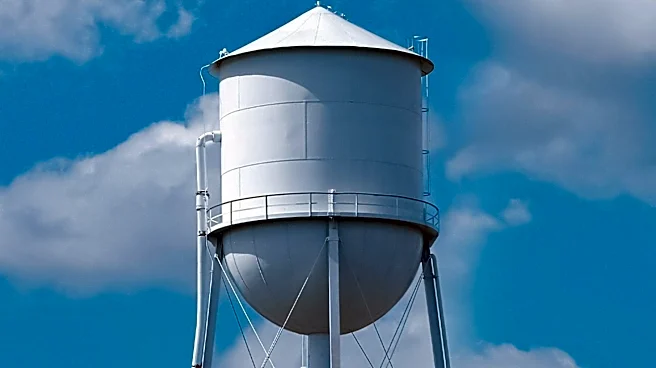
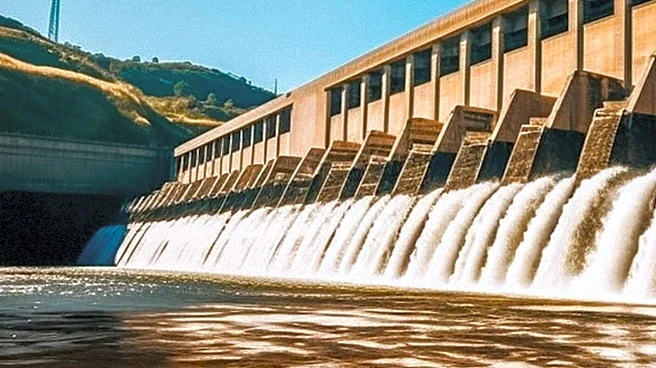
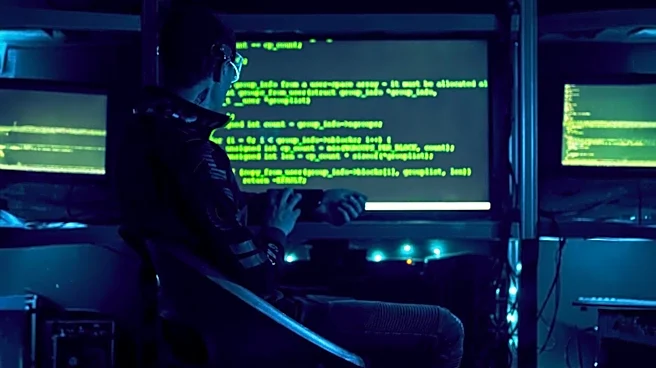
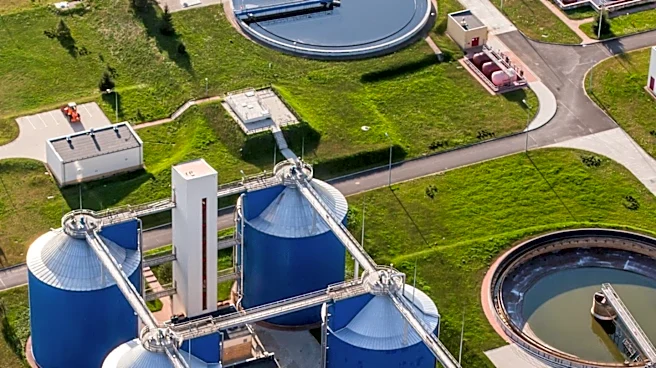
Hackers, suspected to be aligned with Iran, attempted to breach at least 30 municipal water systems in Minnesota on July 26-27, 2026. Similar cyberattacks have been reported in Michigan, New Jersey, and other states. The attackers targeted small computers
controlling pumps and valves, rather than the main utility office computers. Utilities responded by shutting down control computers and manually operating equipment, ensuring water safety. The U.S. government has not officially attributed the attacks to any group, but the methods align with typical international cyberattack strategies.
Why It's Important?
These cyberattacks highlight vulnerabilities in critical infrastructure, particularly the reliance on default passwords and outdated security measures. The incidents underscore the need for improved cybersecurity protocols to protect essential services like water supply. The potential for disruption or contamination of water systems poses significant risks to public health and safety. This situation may prompt increased investment in cybersecurity for public utilities and raise awareness about the importance of securing critical infrastructure against cyber threats.
What's Next?
The U.S. government and affected states may enhance cybersecurity measures for water systems and other critical infrastructure. Investigations into the attacks will continue, potentially leading to diplomatic or legal actions if a responsible party is identified. The incidents may also drive policy discussions on national cybersecurity strategies and the allocation of resources to protect public utilities.