






What's Happening?
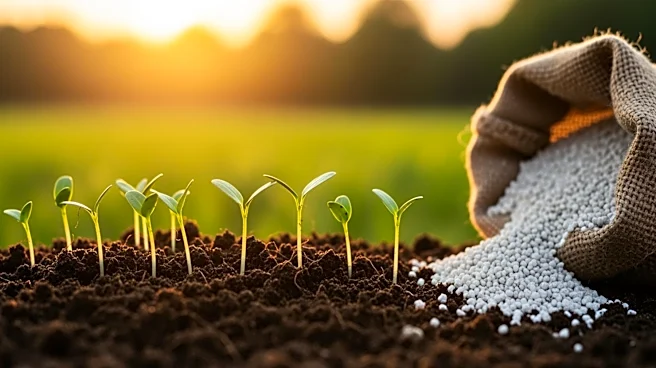
Brazil's agricultural sector is heavily reliant on imported fertilizers, with 85% to 90% of its supply coming from abroad. The ongoing conflict involving Iran and the United States is exacerbating this dependency by increasing freight and insurance costs,
which in turn raises the price of fertilizers. Iran's role as a natural gas producer, a key component in nitrogen fertilizers, further complicates the situation. The Brazilian government is considering measures to reduce this dependency, including increasing domestic production through Petrobras and exploring partnerships within the BRICS framework.
Why It's Important?
The rising costs of fertilizers due to geopolitical tensions pose a significant threat to Brazil's agribusiness, which is a major component of the country's economy. Higher production costs could lead to increased food prices and reduced competitiveness in international markets. The situation underscores the importance of diversifying supply sources and increasing domestic production to mitigate risks associated with global supply chain disruptions. The potential impact on Brazil's agricultural output could have broader implications for global food supply and prices.
What's Next?
Brazil is likely to intensify efforts to reduce its dependency on imported fertilizers. This includes boosting domestic production capabilities and seeking new international partnerships, particularly within the BRICS group. The government may also revisit its National Fertilizer Plan to accelerate the reduction of external dependency. These efforts will be crucial in ensuring the stability and sustainability of Brazil's agricultural sector in the face of ongoing geopolitical uncertainties.