




What's Happening?
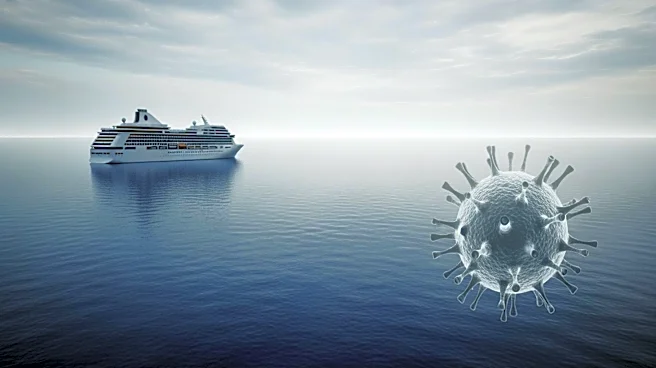
A lethal strain of hantavirus has been identified on a luxury cruise liner, prompting a global response coordinated by the World Health Organization (WHO). The outbreak, reported on May 2, has resulted in nine probable cases and three fatalities. The virus,
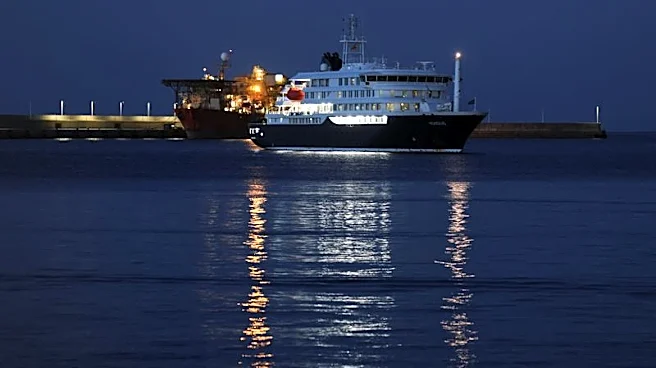
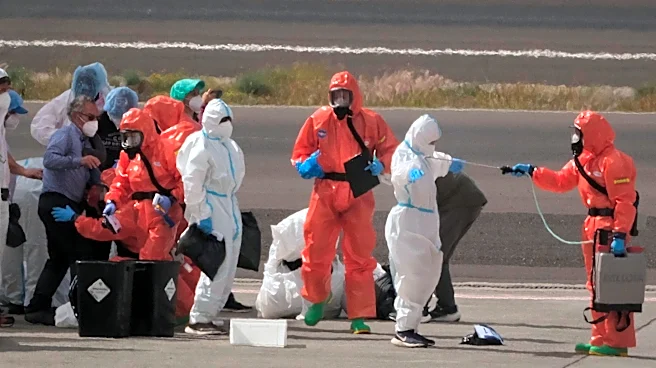
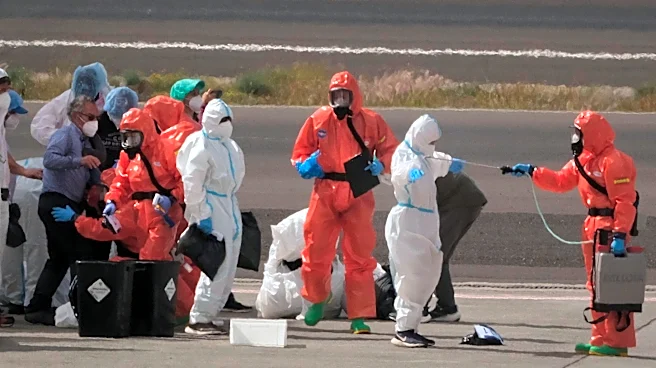
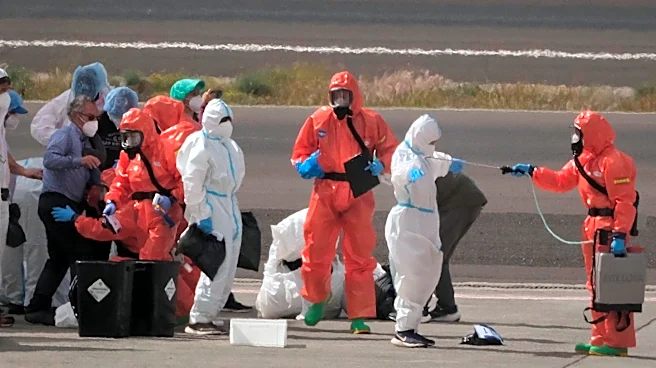
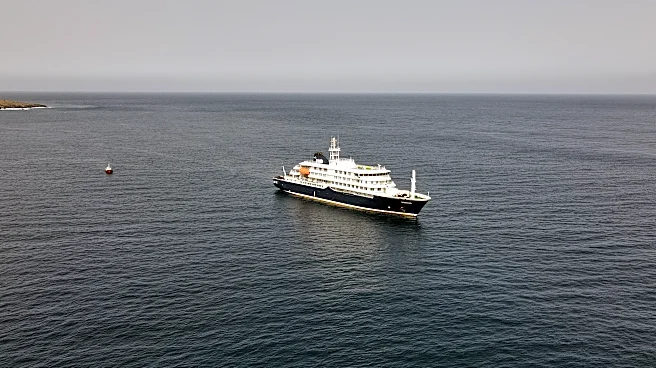
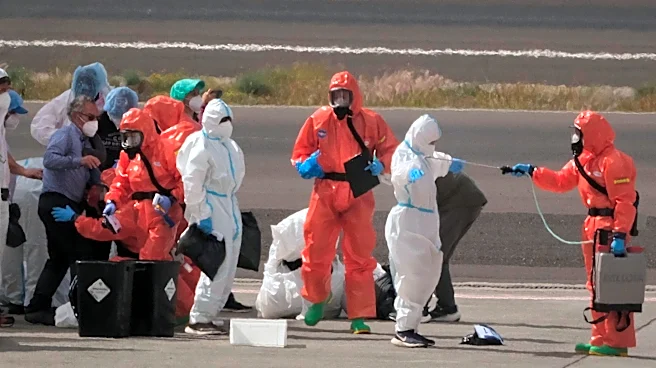
identified as the Andes strain, is known for its potential to spread from person to person. The cruise ship, flagged to the Netherlands, had 149 passengers and crew onboard when the virus was detected, with 29 passengers having disembarked earlier. The WHO is leading international efforts to trace and contain the virus, with affected countries contributing to the response. The ship is currently anchored near the Canary Islands, where passengers are being evacuated under strict conditions.
Why It's Important?
The outbreak highlights the challenges of managing infectious diseases in a globalized world, particularly on international transport hubs like cruise ships. The hantavirus, while rare, poses significant health risks due to its severe symptoms and potential for human-to-human transmission. The situation underscores the importance of international cooperation in disease control, as the WHO coordinates efforts across multiple countries. The outbreak also serves as a reminder of the need for robust public health infrastructure and preparedness to prevent the spread of infectious diseases. The response involves complex logistics, including tracking down passengers who disembarked and ensuring they receive appropriate medical attention.
What's Next?
The WHO and national health authorities will continue to monitor the situation closely, with ongoing efforts to trace and isolate potential cases. Passengers who have disembarked are being tracked and monitored for symptoms, and those remaining on the ship are being evacuated in a controlled manner. The ship is expected to return to the Netherlands once the evacuation is complete. Health officials emphasize that the risk to the general public remains low, but the situation is being treated with caution to prevent further spread. The incident may prompt a review of health protocols on cruise ships and other international travel settings.
Beyond the Headlines
This outbreak serves as a critical reminder of the potential for zoonotic diseases to cause global health crises. The hantavirus, primarily transmitted from rodents to humans, highlights the interconnectedness of human and animal health. The incident may lead to increased scrutiny of health measures on cruise ships and other travel settings, as well as renewed focus on funding for infectious disease research. The outbreak also raises questions about the preparedness of global health systems to respond to similar threats in the future, emphasizing the need for continued investment in public health infrastructure and international cooperation.