


What's Happening?
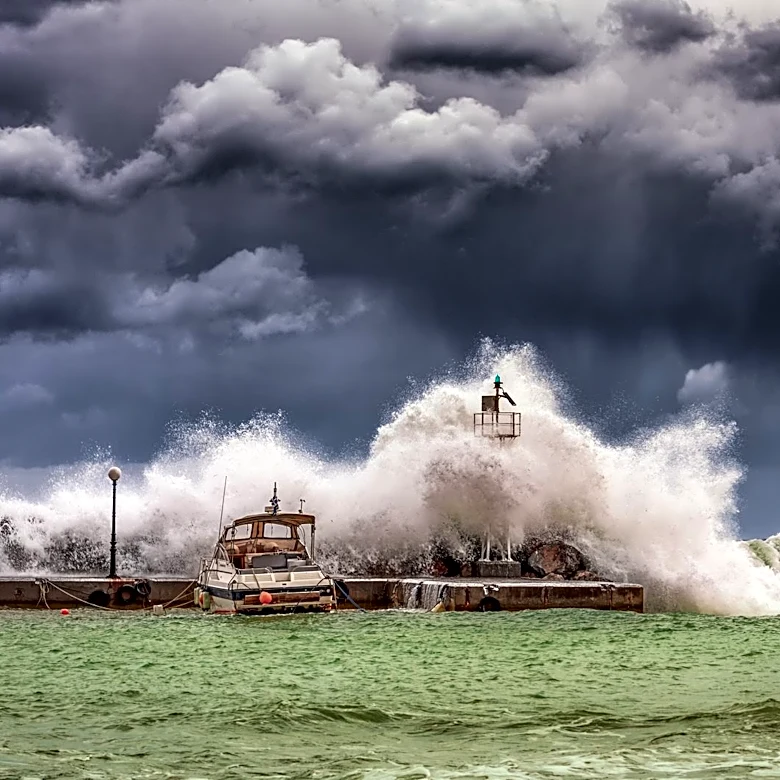
Guatemala has been experiencing a series of natural disasters, including heavy rains, floods, seismic activity, and volcanic eruptions, during July and August. The National Coordinator for Disaster Reduction (Conred) has been actively responding to these
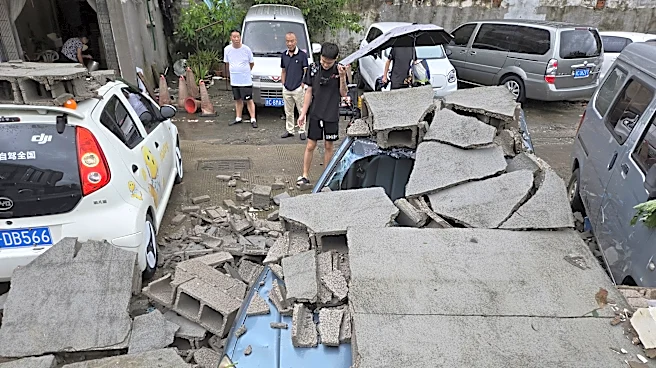
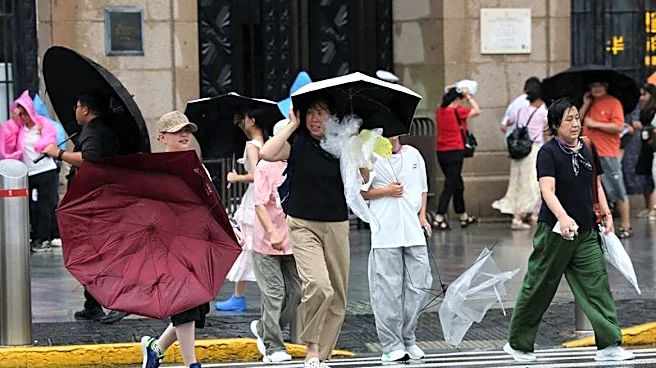
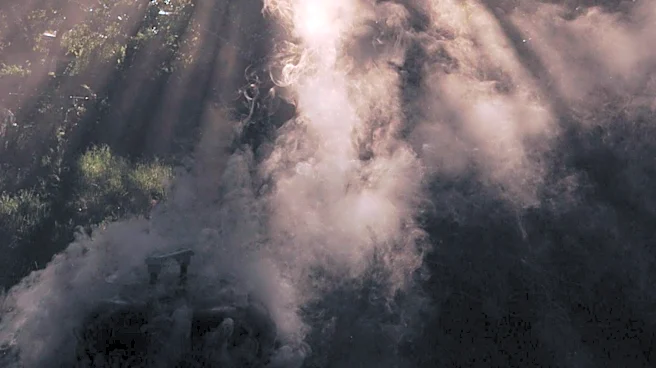
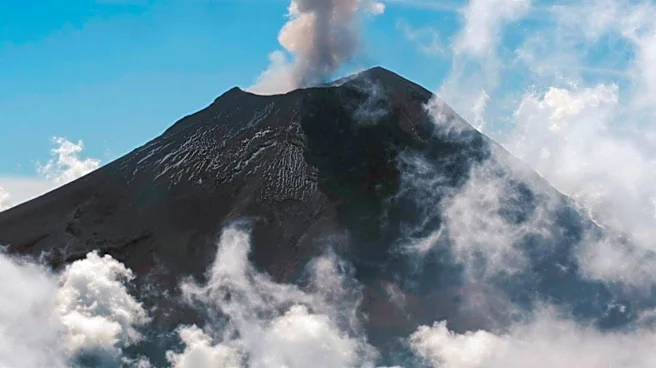
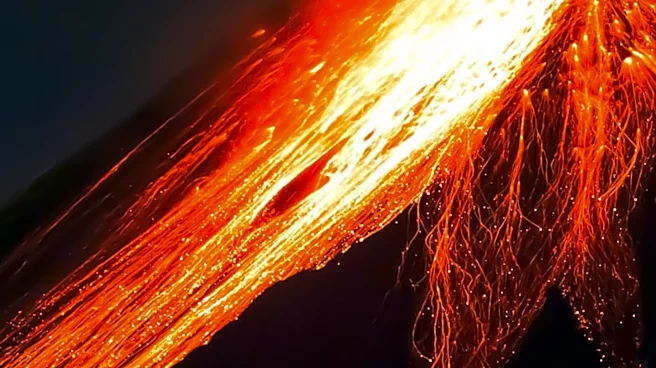
emergencies. The heavy rains have caused significant flooding in regions like Izabal and Alta Verapaz, affecting hundreds of families and damaging homes and crops. Additionally, a 7.4 magnitude earthquake struck in July, causing widespread alarm but no significant damage. The Fuego volcano also erupted in early August, leading to evacuations. The El Niño phenomenon is contributing to these extreme weather conditions, with predictions of reduced rainfall and higher temperatures in the coming months.
Why It's Important?
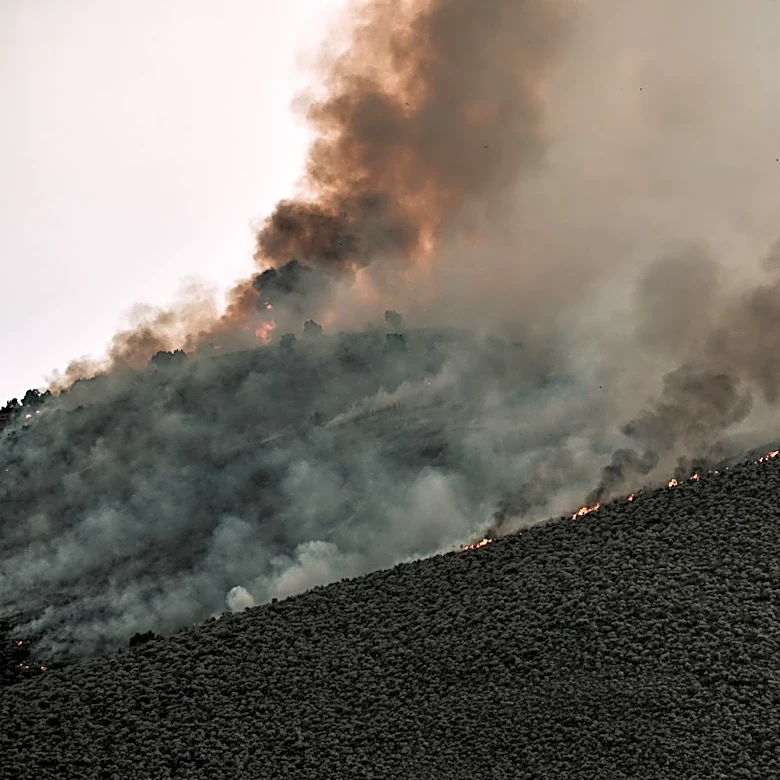
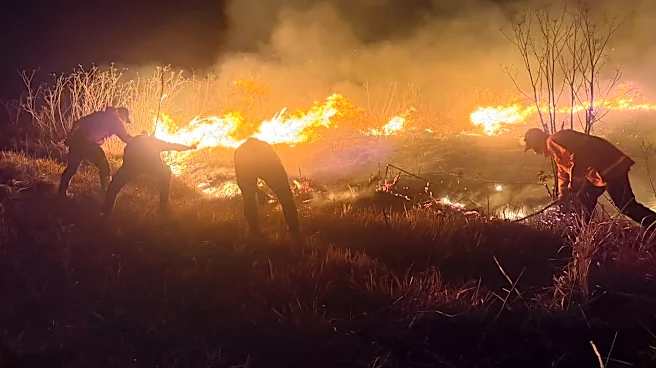
The series of natural disasters highlights the vulnerability of Guatemala to climate-related events and the challenges in disaster management. The impact on communities, agriculture, and infrastructure could have long-term economic and social consequences. The El Niño phenomenon is expected to exacerbate these conditions, potentially leading to water shortages, increased risk of wildfires, and further agricultural stress. The situation underscores the need for effective disaster preparedness and response strategies, as well as international cooperation to address climate change impacts.
What's Next?
As El Niño conditions persist, Guatemala is likely to face continued weather-related challenges. Authorities are advised to strengthen water management and disaster preparedness measures. Monitoring of climatic conditions and maintaining early warning systems for potential floods and landslides will be crucial. The government and international partners may need to provide additional support to affected communities to mitigate the impact of these disasters.