



What's Happening?
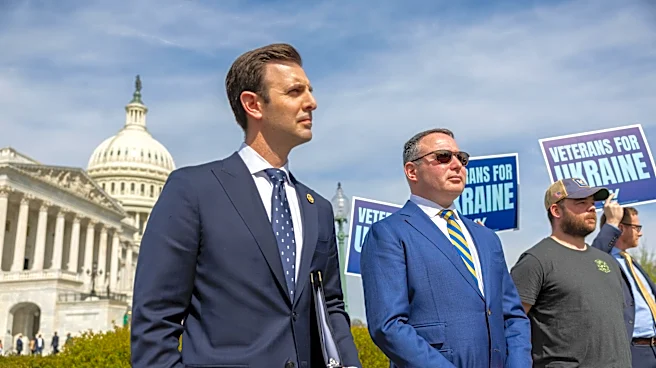
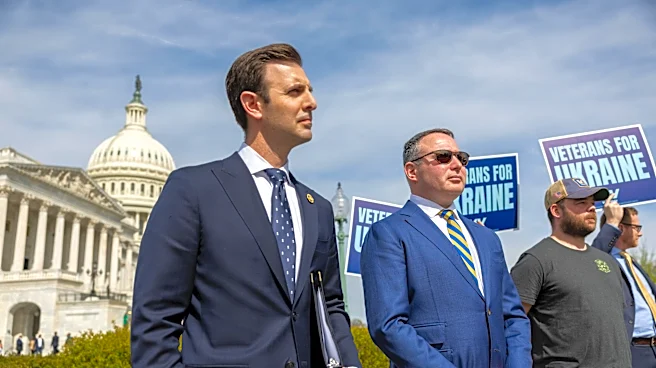
Congressman Gus Bilirakis, the lead House sponsor of the bipartisan Major Richard Star Act, has announced the House passage of two measures aimed at eliminating the 'wounded Veteran tax.' These measures include the standalone Major Richard Star Act and the Take
Care of America’s Veterans Act (TCAVA), which incorporates significant provisions from Bilirakis's legislation. Both bills seek to rectify an offset that currently prevents certain combat-injured, medically retired veterans from receiving their full military retirement pay concurrently with their VA disability compensation. Bilirakis supported a discharge petition initiated by House Democrats to bring his standalone bill to a vote. He also backed TCAVA, which passed by voice vote and combines numerous bipartisan initiatives designed to enhance Veterans’ healthcare, benefits, and economic opportunities. While Bilirakis expressed reservations about TCAVA's funding mechanism, he emphasized his commitment to securing justice for wounded veterans.
Why It's Important?
The passage of these bills is crucial for nearly 60,000 combat-injured Chapter 61 retirees who, under current federal law, are forced to forfeit a dollar of their military retirement pay for every dollar of VA disability compensation they receive. This 'wounded Veteran tax' has been a long-standing point of contention, impacting veterans who retired due to combat-related disabilities with less than 20 years of service. Eliminating this offset would ensure these veterans receive the full benefits they earned through their service and sacrifice. The legislation is named in honor of Army Major Richard Star, whose medical retirement due to toxic exposure-linked cancer resulted in a reduction of his military retirement pay. The Wounded Warrior Project and over 25 other veterans' organizations have actively advocated for the Major Richard Star Act, highlighting its significance in providing long-overdue financial relief and recognition to a vulnerable population of veterans.
What's Next?
Following House passage, the Major Richard Star Act (H.R. 2102) now moves to the Senate for consideration. Lawmakers in the Senate must approve the measure before it can be sent to the president's desk for enactment. The Senate companion bill, S. 1032, is currently before the Senate Armed Services Committee. Unlike the House, the Senate lacks a discharge-petition process, and previous attempts to advance the measure by unanimous consent have faced objections. There is a potential for a funding dispute in the Senate, as the House-passed TCAVA includes a funding offset involving changes to VA disability rating criteria for future sleep apnea and tinnitus claims, a mechanism Congressman Bilirakis does not prefer. The Wounded Warrior Project has urged the Senate to swiftly pass the legislation, emphasizing the need to end the 'wounded veteran tax' for those who sacrificed for the nation.
Beyond the Headlines
The debate surrounding the funding mechanism for these veterans' benefits highlights a broader challenge in legislative efforts to support military personnel: how to fund essential programs without creating new burdens or controversies. Congressman Bilirakis's statement, 'I will not let the perfect become the enemy of the good while wounded Veterans continue waiting for justice,' underscores the pragmatic approach often required in legislative processes, especially when dealing with sensitive issues like veterans' welfare. The inclusion of provisions to strengthen Veterans’ healthcare, benefits, and economic opportunities within TCAVA also points to a comprehensive effort to address various needs of the veteran community. This legislative push reflects a growing societal recognition of the sacrifices made by combat-injured veterans and a commitment to ensuring they receive the full support they deserve, even amidst complex budgetary considerations.