




What's Happening?
During the August Congressional Recess, Representative Judy Chu visited the Foothill Unity Center's food distribution in Pasadena, an event organized by the Los Angeles Regional Food Bank. This visit was part of a broader initiative by the Food Bank to
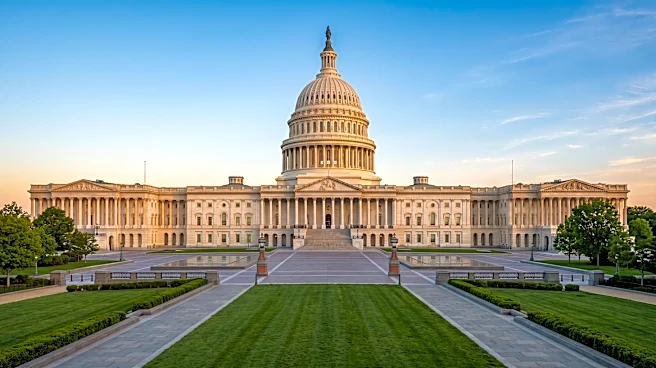
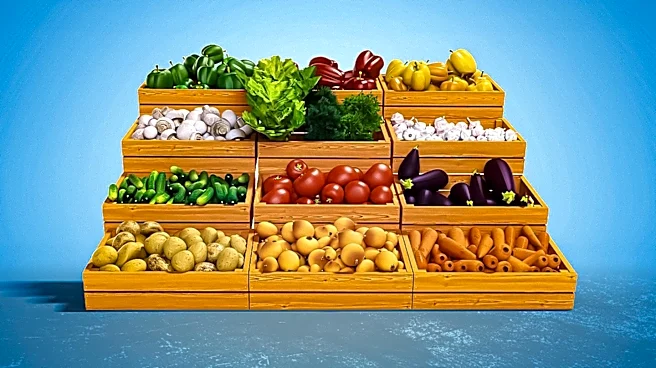
engage with Members of Congress and policy staff from the Los Angeles Congressional delegation. The purpose of these visits and meetings, led by CEO Michael Flood and the Government Affairs team, was to highlight the critical work of the Food Bank and its agency partners in addressing food insecurity. Discussions focused on the importance of federal nutrition programs such as CalFresh, TEFAP, and CSFP, and the potential impacts of H.R. 1 on CalFresh in California. The Food Bank's team urged congressional members and staff to continue their support for these vital programs, which not only assist residents facing food insecurity in Los Angeles County but also support U.S. farmers and producers through USDA commodity programs.
Why It's Important?
The engagement of Representative Judy Chu and other congressional members with the Los Angeles Regional Food Bank underscores the significant role of federal nutrition programs in combating food insecurity across the U.S. These programs are crucial safety nets for vulnerable populations, ensuring access to essential food resources. The discussions regarding H.R. 1's potential impact on CalFresh in California highlight ongoing legislative debates that could directly affect millions of Americans relying on food assistance. Continued federal support for these programs is vital for maintaining public health and economic stability, particularly in large metropolitan areas like Los Angeles County, where food insecurity remains a pressing issue. Furthermore, the connection between federal nutrition programs and support for U.S. farmers and producers illustrates the broader economic implications, linking agricultural stability with social welfare.
What's Next?
The Los Angeles Regional Food Bank and its partners will likely continue their advocacy efforts, urging lawmakers to maintain and strengthen federal nutrition programs. Following the congressional recess, these discussions may translate into legislative actions or policy adjustments in Washington D.C. Stakeholders, including food banks, community organizations, and beneficiaries of these programs, will closely monitor any proposed changes to federal nutrition policies, particularly those related to CalFresh and H.R. 1. The ongoing dialogue between non-profit organizations and government officials is expected to influence future funding decisions and program structures, aiming to ensure that adequate resources are allocated to address food insecurity effectively across the nation.
Beyond the Headlines
Beyond the immediate policy implications, the visits by Representative Judy Chu and other officials highlight the persistent challenge of food insecurity in affluent regions like Los Angeles County. It brings to light the often-invisible struggles faced by many families and individuals, emphasizing the need for robust social safety nets. The collaboration between government representatives and non-profit organizations like the Los Angeles Regional Food Bank exemplifies a critical model for addressing complex societal issues. This engagement also serves as a reminder of the interconnectedness of federal policy, local community needs, and the agricultural sector, demonstrating how legislative decisions can have far-reaching effects on the well-being of citizens and the economy.