
What's Happening?
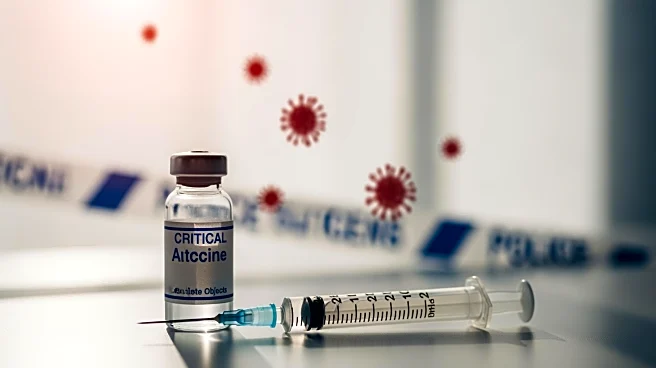
South Carolina is experiencing a significant measles outbreak, with over 800 cases reported, marking the largest outbreak in the United States in decades. The South Carolina Department of Public Health
has noted that the number of cases is increasing by more than 100 each week. This outbreak surpasses last year's Texas outbreak, which resulted in three deaths, including two children. The state's epidemiologist, Linda Bell, expressed concern over the rapid spread and the potential loss of the state's measles elimination status. The outbreak highlights the challenges in controlling vaccine-preventable diseases amidst varying vaccination rates.
Why It's Important?
The resurgence of measles in South Carolina is a critical public health issue, reflecting broader challenges in maintaining herd immunity. The outbreak underscores the importance of vaccination programs and the risks associated with declining vaccination rates. It poses a significant threat to public health, particularly for vulnerable populations such as children and those with compromised immune systems. The situation may prompt public health officials to reassess vaccination strategies and address vaccine hesitancy, which could have long-term implications for disease prevention and control in the U.S.
What's Next?
Public health authorities in South Carolina and nationwide may intensify efforts to increase vaccination coverage and educate the public on the importance of vaccines. There could be policy discussions on mandatory vaccination requirements for school entry and public health campaigns to counter misinformation about vaccines. The outbreak may also lead to increased federal and state funding for vaccination programs and research into vaccine-preventable diseases.