
What's Happening?
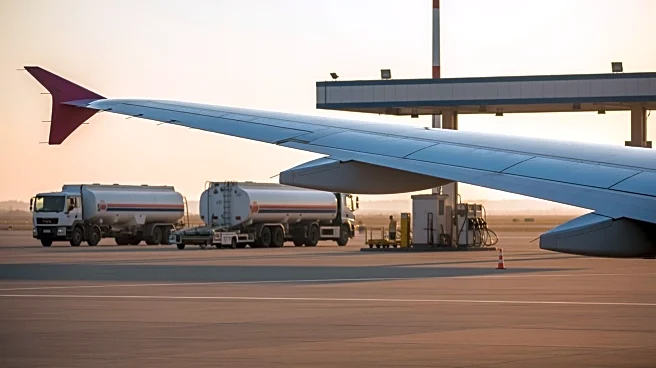
Air Canada has announced the suspension of its flights to Cuba, citing a shortage of aviation fuel as the primary reason. This decision affects travelers who rely on Air Canada for direct flights to the Caribbean
nation. The fuel shortage has created operational challenges, prompting the airline to temporarily halt services until the situation stabilizes. This development underscores the ongoing logistical and supply chain issues affecting the aviation industry.
Why It's Important?
The suspension of flights to Cuba by Air Canada highlights the vulnerability of the aviation sector to supply chain disruptions, particularly in essential resources like fuel. This situation could have broader implications for tourism and economic relations between Canada and Cuba, as air travel is a critical component of connectivity and commerce. The halt in services may lead to financial losses for Air Canada and inconvenience for passengers, potentially affecting the airline's reputation and customer satisfaction. It also raises concerns about the resilience of supply chains in the face of global challenges.
What's Next?
Air Canada will likely work closely with suppliers and authorities to address the fuel shortage and resume flights as soon as possible. In the meantime, affected passengers may seek alternative travel arrangements or refunds. The airline may also explore contingency plans to mitigate the impact of similar disruptions in the future. Additionally, industry stakeholders and policymakers might consider strategies to enhance supply chain resilience and ensure the availability of critical resources like aviation fuel.