








What's Happening?
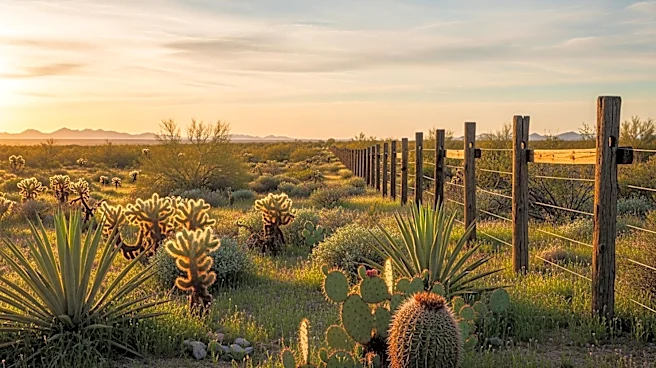
A recent opinion piece highlights the need for conservation efforts that transcend political and geographical borders, particularly in the American Southwest. The article emphasizes that natural ecosystems, such as rivers and wildlife habitats, do not
adhere to man-made boundaries. It criticizes recent federal decisions that affect public lands and environmental protections, often made without local community input. The piece advocates for collaborative conservation models that involve tribal nations, local governments, and other stakeholders to ensure sustainable stewardship of shared ecosystems.
Why It's Important?
The call for cross-border conservation is crucial as it addresses the interconnected nature of ecosystems that span multiple jurisdictions. This approach is vital for preserving biodiversity and ensuring the long-term health of the environment. By involving local communities and respecting Indigenous knowledge, conservation efforts can be more effective and equitable. The article underscores the importance of moving away from conflict-driven models towards cooperative strategies that prioritize long-term ecological and community well-being.