
What's Happening?
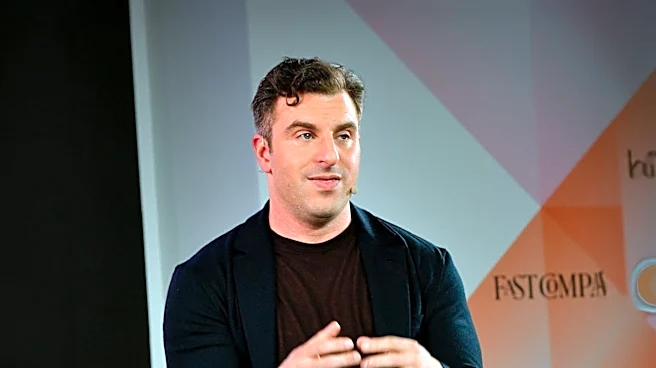
Brian Chesky, co-founder and CEO of Airbnb, has committed $100 million to San Francisco's parks. The San Francisco Mayor Daniel Lurie's administration will oversee the selection of projects for this donation.
Of the total pledge, $39 million is specifically allocated to complete five existing park projects across the city, while the remaining $61 million has not yet been assigned to particular initiatives. This significant contribution comes at a time when San Francisco is grappling with severe housing affordability issues. Mayor Lurie's administration requested that Chesky's donation be directed towards accelerating park openings, rather than addressing the city's housing crisis. This decision follows the narrow defeat of Proposition I, a measure that would have channeled transfer tax revenue from high-value property sales towards affordable housing, potentially generating up to $120 million annually. The San Francisco Tenants Union has previously alleged that Airbnb's operations have contributed to the depletion of rental housing stock in the city.
Why It's Important?
This $100 million pledge from a prominent tech CEO to San Francisco's parks highlights a complex interplay between corporate philanthropy, urban development priorities, and pressing social issues like housing affordability. The decision by Mayor Lurie's administration to prioritize park development over direct housing initiatives, especially after the failure of Proposition I, underscores differing views on how to best address the city's challenges. While park improvements can enhance quality of life and public spaces, the ongoing housing crisis affects a significant portion of San Francisco residents, with 66% renting their homes. The allocation of such a large sum away from housing, despite the city's urgent needs and criticisms from groups like the San Francisco Tenants Union regarding Airbnb's impact on rental stock, raises questions about the effectiveness and priorities of public-private partnerships in addressing multifaceted urban problems. This situation also brings into focus the influence of large donors and corporations on municipal policy and resource allocation.
What's Next?
The San Francisco Board of Supervisors will need to approve the $100 million donation, as gifts exceeding $100,000 require their endorsement. Following approval, the Mayor's administration will proceed with allocating the remaining $61 million of Chesky's pledge, which is currently unassigned. This process will likely involve public discussions and potential debates over the best use of these funds, especially given the city's ongoing housing challenges. Stakeholders, including housing advocates and community groups, may continue to press for a portion of such large donations to be directed towards addressing housing affordability. The implementation of the park projects funded by the initial $39 million will also be closely watched, with an emphasis on accelerating their completion and opening to the public.
Beyond the Headlines
The narrative surrounding Brian Chesky's donation extends beyond mere philanthropy, touching upon the broader responsibilities of tech giants in their host cities. The debate over whether the funds should go to parks or housing reflects a tension between improving public amenities and tackling fundamental societal issues. It also highlights the perception of tech companies' roles in urban gentrification and housing shortages. The rejection of Proposition I and the subsequent allocation of Chesky's funds to parks could be seen as a missed opportunity by some to directly alleviate the housing crisis, potentially exacerbating existing inequalities. This scenario underscores the ethical considerations for wealthy individuals and corporations when making large-scale donations, and the critical role of city leadership in balancing diverse community needs and priorities.