






What's Happening?
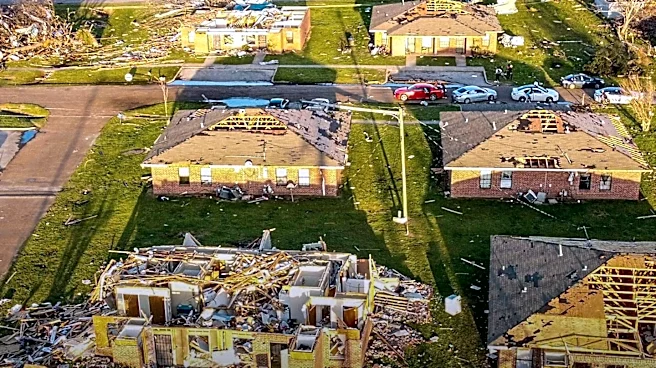
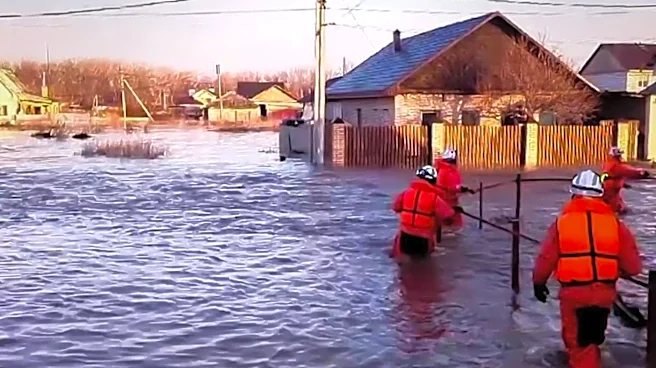
Sacramento County, along with local cities and special districts, is currently updating its 2021 Local Hazard Mitigation Plan (LHMP). This initiative aims to reduce disaster risks stemming from various natural hazards, including floods, droughts, wildfires,
and severe weather events. A Federal Emergency Management Agency (FEMA) approved LHMP is crucial as it enables agencies to qualify for disaster mitigation grants and can lead to lower flood insurance costs for residents in unincorporated areas of Sacramento County, as well as in the cities of Sacramento and Citrus Heights. The update process for the LHMP commenced in November 2025, with the final plan slated for submission to the California Governor’s Office of Emergency Services and FEMA in December 2026. Public and Hazard Mitigation Planning Committee (HMPC) meetings are scheduled for November 4 and November 5, 2026, respectively, to discuss and gather feedback on the LHMP Public Review Draft. The draft plan and a public input survey are accessible online at www.stormready.org, and printed copies are available at select Sacramento County public libraries. All comments from jurisdictional bodies, the public, and stakeholders are due by Friday, November 20, 2026.
Why It's Important?
The update of the Local Hazard Mitigation Plan is vital for Sacramento County and its residents as it directly impacts their safety and financial well-being in the face of natural disasters. A comprehensive and FEMA-approved plan not only enhances the region's resilience against events like floods, droughts, and wildfires but also provides access to critical federal funding. These mitigation grants can be used for projects that reduce the impact of future disasters, such as improving infrastructure, implementing early warning systems, or relocating vulnerable structures. Furthermore, for residents in specific areas, a robust LHMP can translate into tangible financial benefits through reduced flood insurance premiums, alleviating a significant burden for homeowners. The public input phase is particularly important, as it ensures that the plan reflects the diverse needs and concerns of the community, fostering a more effective and widely supported strategy for disaster preparedness and response. This collaborative approach between county officials and the public is essential for building a resilient community capable of withstanding and recovering from natural hazards.
What's Next?
The immediate next steps involve the final public and Hazard Mitigation Planning Committee meetings scheduled for November 4 and November 5, 2026. These meetings will serve as crucial platforms for discussing the LHMP Public Review Draft and collecting further comments from the public and stakeholders. Following these meetings, all jurisdictional, public, and stakeholder comments must be submitted by Friday, November 20, 2026. After this deadline, the collected feedback will be integrated into the plan. The updated LHMP is then scheduled to be finalized and submitted to the California Governor’s Office of Emergency Services and FEMA in December 2026. Upon approval, the plan will guide future disaster mitigation efforts, potentially leading to the implementation of new projects and policies aimed at reducing disaster risks and securing federal funding for these initiatives. Residents can expect continued efforts to enhance community resilience and potentially see changes in flood insurance costs in eligible areas.
Beyond the Headlines
Beyond the immediate benefits of grant eligibility and reduced insurance costs, the ongoing update of Sacramento County's Local Hazard Mitigation Plan signifies a deeper commitment to proactive disaster management and community resilience. This process reflects a growing understanding that investing in mitigation efforts before a disaster strikes is more cost-effective and less disruptive than responding to its aftermath. The emphasis on public input also highlights a shift towards more inclusive governance, recognizing that local knowledge and community perspectives are invaluable in developing effective hazard reduction strategies. This collaborative approach can foster a stronger sense of community ownership and preparedness, encouraging residents to take personal responsibility for their safety and participate in local resilience-building initiatives. Furthermore, the plan's focus on a range of natural hazards underscores the complex and evolving nature of environmental risks, prompting a continuous re-evaluation of infrastructure, land use planning, and emergency response protocols in the face of climate change and other long-term environmental shifts.