





What's Happening?
After completing an antibiotic course, the gut's bacterial balance is often depleted, necessitating a structured recovery plan. A four-week routine focusing on regular meals, gradual fiber reintroduction, and the consistent consumption of fermented foods,
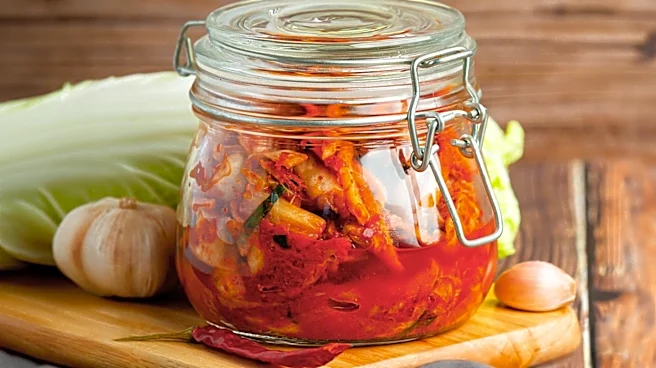
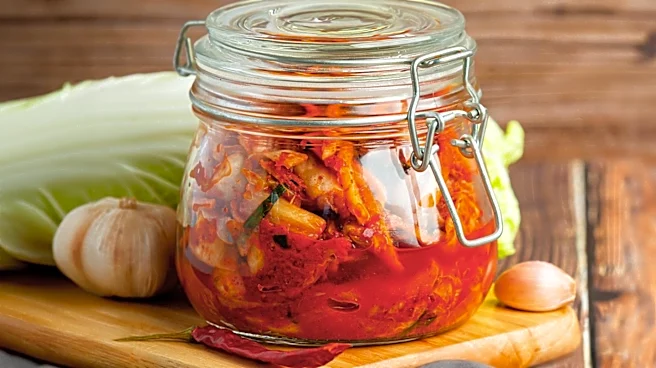
along with a daily probiotic and prebiotic, is recommended. Fermented foods, such as curd, buttermilk, idli, and dosa, are highlighted as particularly beneficial due to their combination of live cultures and ease of integration into daily eating. These foods help replenish beneficial bacteria like Bifidobacteria and Lactobacilli, which are typically reduced by antibiotics. The recovery process is often uneven, with improvements in stool shape, reduced bloating, predictable appetite, wider food tolerance, and stable afternoon energy serving as key indicators of progress. The goal is to restore the gut microbiome to its pre-antibiotic state, which can take between two to four weeks, depending on the individual and the antibiotic regimen.
Why It's Important?
The depletion of gut bacteria following antibiotic treatment can lead to various digestive issues and potentially impact overall health. Restoring a healthy gut microbiome is crucial for supporting digestion, immunity, and even mental well-being. The emphasis on fermented foods provides a natural and accessible method for individuals to actively participate in their recovery. This approach can reduce reliance on pharmaceutical interventions for gut health and empower individuals with dietary strategies. For the healthcare industry, this highlights the importance of patient education on post-antibiotic care, potentially reducing follow-up visits for digestive complaints. From a public health perspective, promoting fermented foods could contribute to a more resilient population with better gut health, especially given the widespread use of antibiotics.
What's Next?
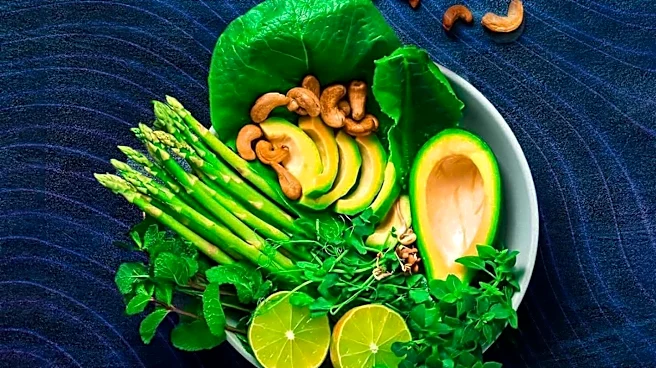
Individuals finishing antibiotic courses are advised to implement a structured dietary plan, starting with familiar, cooked meals and gradually increasing fiber intake. The consistent daily use of fermented foods, along with a probiotic and prebiotic supplement, is recommended for at least three to four weeks. Monitoring symptoms like stool consistency, bloating, appetite, and energy levels weekly can help track recovery. If symptoms worsen or include red flags such as watery diarrhea, blood in stool, severe abdominal pain, or fever, medical consultation is necessary. Continued daily consumption of probiotics and prebiotics can serve as a maintenance strategy for long-term gut health, even after initial recovery. The focus will remain on dietary adjustments and consistent habits rather than solely on supplements.
Beyond the Headlines
The growing understanding of the gut microbiome's role extends beyond digestion, influencing immunity, mental health, and even chronic disease prevention. The recommendation for fermented foods post-antibiotics underscores a broader shift towards integrating dietary interventions into conventional medical recovery protocols. This approach also highlights the cultural significance of fermented foods, which have been staples in many traditional diets for centuries, now gaining scientific validation for their health benefits. The emphasis on 'boring consistency' rather than quick fixes reflects a more holistic view of health, where sustained lifestyle changes are prioritized over short-term solutions. This could lead to increased consumer demand for diverse fermented products and greater research into specific strains of beneficial bacteria and their targeted applications.