






What's Happening?
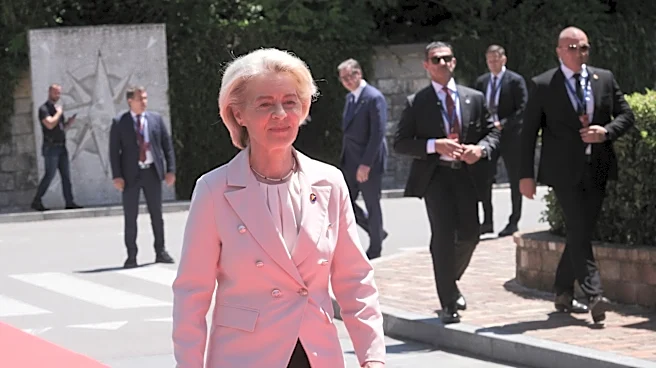
Ursula von der Leyen, President of the European Commission, delivered a significant speech in March 2023 addressing the complexities of EU-China relations. She highlighted issues such as China's economic practices, including distorting subsidies and forced
technology transfers, and called for a new approach termed 'de-risking.' Despite her warnings, member states have struggled to unify their strategies, leading to a continued trade deficit with China. The European Commission has attempted to impose tariffs on Chinese electric vehicles and exclude Chinese companies from infrastructure projects, but these efforts have been met with mixed success due to internal disagreements among EU countries.
Why It's Important?
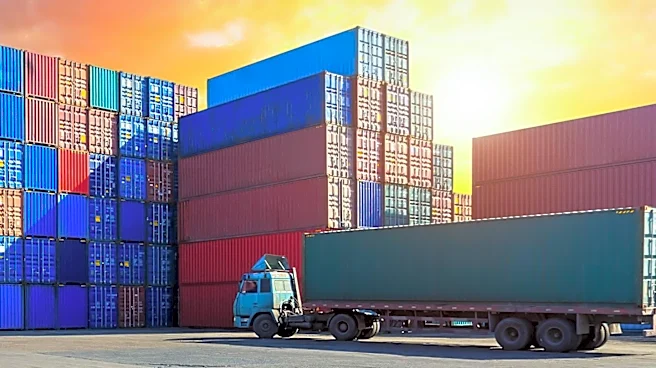
The lack of a cohesive strategy among EU member states in dealing with China poses significant economic and security risks. The continued influx of low-cost Chinese imports threatens European industries and jobs, exacerbating fears of de-industrialization. The EU's inability to present a united front weakens its negotiating power and leaves it vulnerable to economic coercion from China. This situation underscores the need for a strategic and collective response to safeguard the EU's economic interests and maintain a balanced trade relationship with China.
What's Next?
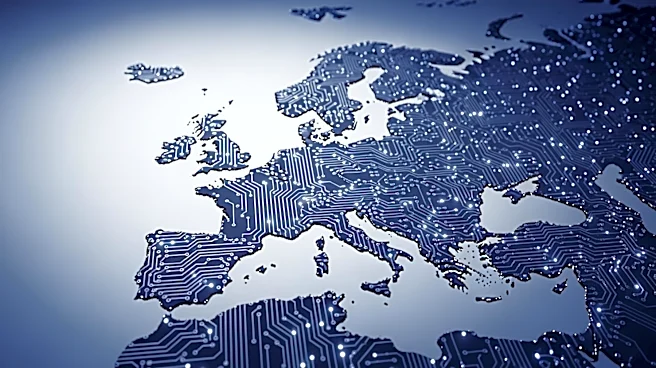
The European Commission is assessing its current trade tools and considering new strategies to address the trade imbalance with China. However, the path forward is fraught with challenges, including potential retaliatory measures from China and internal divisions among EU member states. The Commission aims to develop a more robust strategy that ensures fair competition and reciprocal market access, but achieving consensus among the 27 member states remains a significant hurdle.
Beyond the Headlines
The EU's struggle to formulate a unified approach to China highlights broader geopolitical dynamics, including the balance of power between major global economies. The situation also reflects the challenges of maintaining economic security in an interconnected world where dependencies on single markets can pose significant risks. The EU's experience may serve as a cautionary tale for other regions grappling with similar issues of economic dependency and strategic autonomy.