








What's Happening?
Poor indoor air quality (IAQ) is a significant environmental health risk in modern U.S. buildings, often being up to five times more polluted than outdoor air. Common indoor air pollutants include biological contaminants like mold and dust mites, combustion
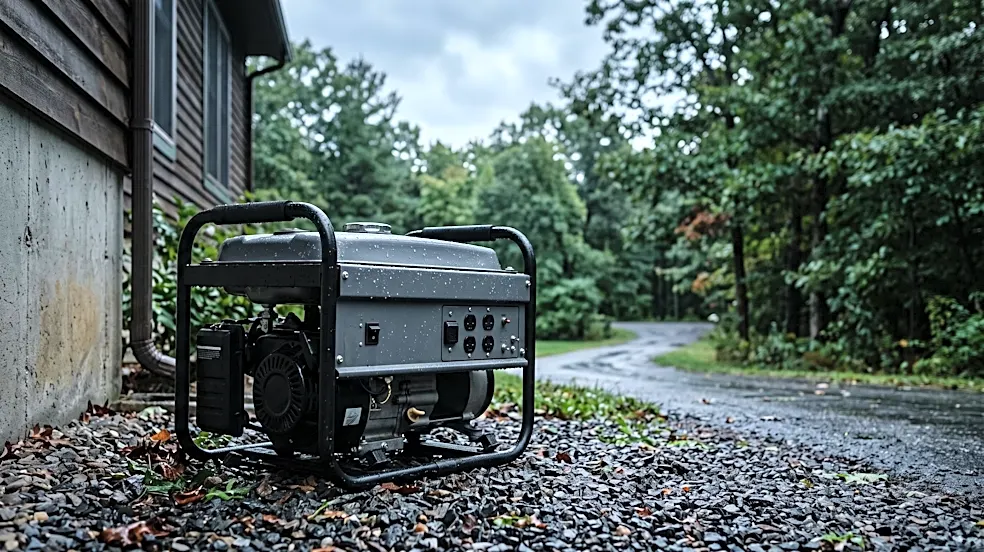
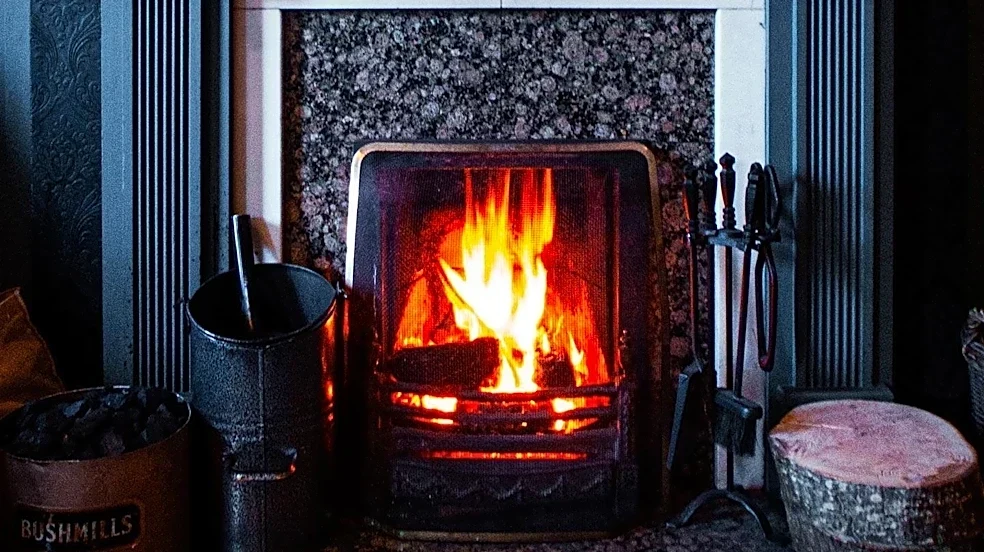
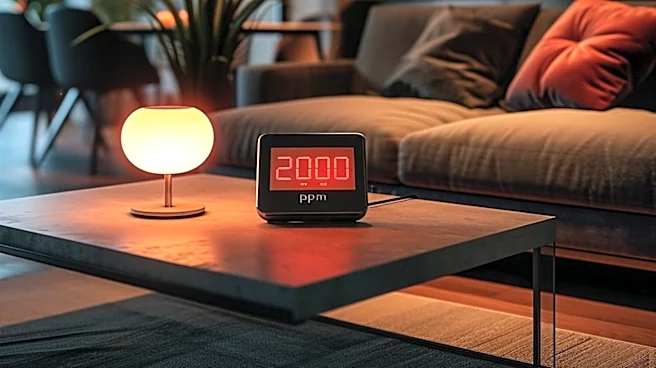
pollutants from gas appliances, volatile organic compounds (VOCs) from cleaning supplies and building materials, and harmful particles. Inadequate ventilation, such as poorly maintained HVAC systems or a lack of fresh air exchange, allows these pollutants to accumulate. This accumulation can lead to various health issues, including respiratory symptoms, headaches, fatigue, eye and throat irritation, and can exacerbate conditions like asthma. Radon, an invisible and odorless gas, is also a serious long-term health risk that the Environmental Protection Agency recommends testing for every two years. Maintaining indoor humidity levels between 30% and 50% is crucial to prevent mold growth and dust mites. Indoor air quality monitors can help track pollutant and humidity levels in real-time, enabling homeowners to take proactive measures.
Why It's Important?
The prevalence of poor indoor air quality has substantial implications for public health and well-being across the U.S. The direct link between indoor air pollution and respiratory illnesses, allergic reactions, and asthma attacks means a significant portion of the population, particularly vulnerable groups like children, pregnant women, and individuals with existing respiratory conditions, are at elevated risk. The economic impact can be seen in increased healthcare costs due to chronic illnesses and reduced productivity from symptoms like fatigue and impaired cognitive abilities, which studies link to elevated CO2 levels indoors. Furthermore, the issue highlights a broader challenge in building design and maintenance, where 'sick building syndrome' can affect occupants' health and performance. Addressing IAQ is not just a health concern but also an economic one, as it impacts workforce efficiency and the overall quality of life within homes and workplaces.
What's Next?
To mitigate the risks associated with poor indoor air quality, several actions are recommended for U.S. homeowners and building managers. Regular maintenance of HVAC systems, including frequent filter changes, is essential to prevent the circulation of dust and mold. Utilizing air purifiers with HEPA filters can effectively reduce airborne pollutants and harmful particles. Improving ventilation through exhaust fans and natural air exchange is crucial to dissipate indoor contaminants. Controlling humidity levels with dehumidifiers can prevent mold growth. Professional testing for radon is advised due to its serious long-term health risks. Additionally, being mindful of sources of indoor pollution, such as cleaning supplies, gas appliances, and tobacco smoke, and controlling their use can significantly improve indoor air quality. Increased awareness and proactive measures are key to creating healthier indoor environments.
Beyond the Headlines
The issue of indoor air quality extends beyond immediate health symptoms, touching upon broader societal and ethical considerations. The disproportionate impact on vulnerable populations raises questions about environmental justice and equitable access to healthy living environments. The 'invisible' nature of many indoor pollutants means that individuals may suffer from chronic health issues without understanding the root cause, leading to misdiagnoses or delayed interventions. This also highlights a gap in public awareness and education regarding indoor environmental hazards compared to outdoor pollution. Culturally, there's a growing emphasis on holistic well-being, and indoor air quality is becoming an integral part of this conversation, influencing consumer choices in home products, building materials, and smart home technologies designed to monitor and improve IAQ. The long-term shift could involve stricter building codes, greater transparency from manufacturers regarding product emissions, and a more integrated approach to public health that considers both indoor and outdoor environmental factors.