








What's Happening?
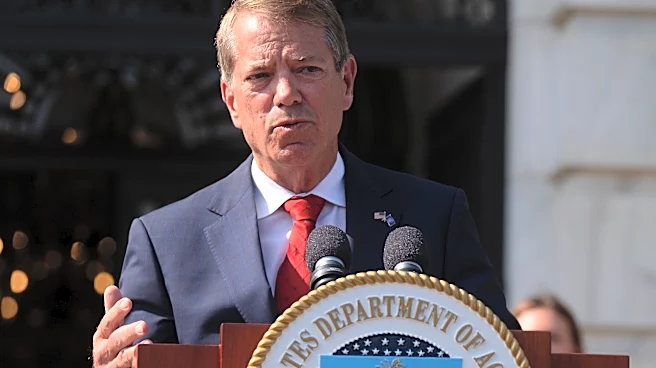
Nebraska is set to become the first state to enforce work, volunteer, or education requirements for new Medicaid applicants, ahead of federally mandated requirements. This policy, part of a broader tax and policy law signed by President Trump, requires
Medicaid participants aged 19 to 64 to work or engage in community service for at least 80 hours a month, or be enrolled in school at least half-time. The state aims to implement these requirements eight months before the federal deadline, despite concerns from advocates about potential coverage loss for eligible individuals.
Why It's Important?
The implementation of Medicaid work requirements in Nebraska could set a precedent for other states considering similar measures. This policy may lead to significant changes in Medicaid enrollment, potentially reducing the number of people covered by the program. Critics argue that the requirements could disproportionately affect low-income individuals and those with health challenges, while supporters claim it encourages self-sufficiency. The outcome in Nebraska will be closely watched by policymakers and health advocates nationwide, as it may influence future healthcare policy decisions.
What's Next?
As Nebraska moves forward with the work requirements, other states may evaluate the impact and consider adopting similar policies. The federal government is expected to provide further guidance in June, which could lead to adjustments in Nebraska's implementation. The state's approach to managing administrative burdens and ensuring compliance will be critical in determining the policy's success and its effects on Medicaid beneficiaries.