



What's Happening?
James Theodor Broussard, a 26-year-old former classroom aide at Klein ISD in Spring, Texas, has been arrested and charged with felony Injury to a Child. The arrest occurred just five days into the new school year following allegations that Broussard unlawfully,
intentionally, and knowingly caused bodily injury to a student under 15 years of age. Klein ISD Police conducted an investigation, leading to Broussard's immediate termination and arrest. He is currently held in Harris County Jail on a $30,000 bond, with strict bond conditions requested by Assistant District Attorney John Crump, including no contact with minors under 17 and a ban on firearm possession. Broussard is scheduled for his first court appearance on Thursday. This incident has brought renewed attention to Texas Education Code § 29.022, which mandates cameras in self-contained special education classrooms but requires annual written requests from parents or staff for their activation.
Why It's Important?
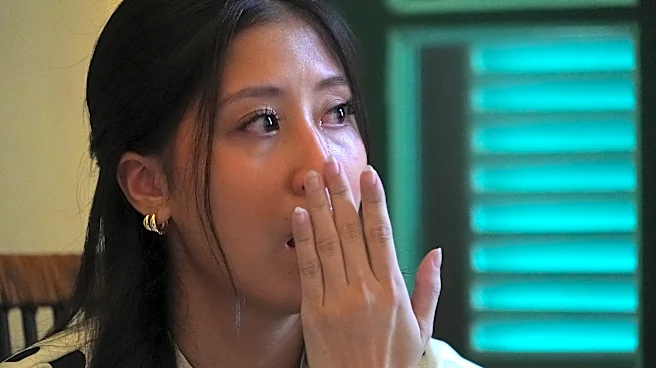
This incident underscores critical issues regarding student safety, particularly for vulnerable populations like nonverbal special education students, and the efficacy of existing protective measures. The mother of a nonverbal autistic student in Broussard's class expressed frustration over the lack of communication from the district and her unawareness that camera activation required an annual written request. This highlights a potential gap in parental awareness and district communication regarding student safety protocols. The case also emphasizes the importance of proper training for staff in special education settings, as noted by special education advocate Louis Geigerman, who suggests that inadequate training can lead to reliance on instinct, potentially resulting in abuse. The legal requirement for parents to proactively request camera activation annually places a significant burden on families, especially those with children who cannot self-report incidents, raising questions about systemic safeguards for these students.
What's Next?
James Theodor Broussard is scheduled to make his first court appearance on Thursday, where further details regarding the legal proceedings are expected to emerge. The Klein ISD will likely face continued scrutiny regarding its communication protocols with parents and its implementation of the Texas special education camera law. Special education advocates, such as Louis Geigerman, are urging parents of children in self-contained classrooms to immediately submit written requests for camera activation and annual renewal to ensure continuous surveillance. This incident may prompt discussions among lawmakers and educational authorities about revising the current legislation to make camera activation automatic or to enhance parental notification and education about these critical safety measures. The outcome of Broussard's case could also influence future hiring practices and training requirements for special education staff across Texas school districts.
Beyond the Headlines
The incident in Klein ISD extends beyond a single criminal charge, touching upon broader ethical and systemic concerns within the education system, particularly concerning special education. The reliance on parental requests for camera activation, rather than automatic operation, raises questions about the proactive protection of students who cannot advocate for themselves. This policy could inadvertently create a two-tiered system of oversight, where students with highly engaged and informed parents receive greater protection. Furthermore, the case highlights the emotional and psychological toll on parents who discover their children may have been harmed in environments presumed safe. It also brings to light the potential for a lack of transparency and communication from school districts during sensitive investigations, eroding trust between parents and educational institutions. This event could serve as a catalyst for a re-evaluation of state-level policies to ensure that the safety and well-being of all special education students are paramount and consistently protected.