


What's Happening?
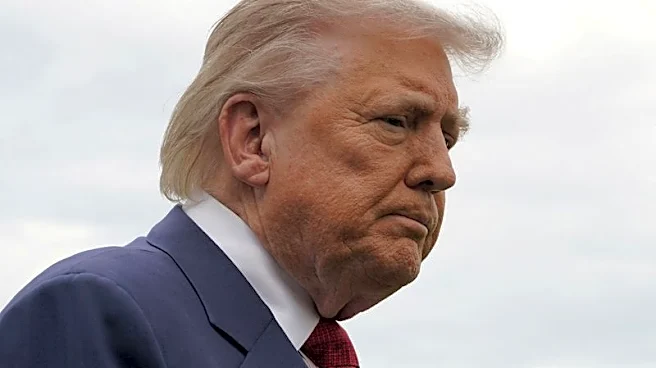
CNN's chief data analyst, Harry Enten, has identified a 'stunning' and 'seismic' shift in President Trump's approval ratings among 'pure independents'—voters who do not lean towards either the Democratic or Republican parties. According to Enten, who averages
multiple polls, President Trump's net approval rating with this crucial demographic has plummeted to -71 points, representing an 86-point shift away from him since 2024. In 2024, President Trump had a +15-point margin over Kamala Harris among pure independents. Enten emphasized that such low numbers are rarely seen and that 'as pure independents go, usually so goes the nation.' This decline is also evident in President Trump's handling of the economy, where his net approval rating has dropped to -77 points, a stark contrast to the +22-point margin of trust he held over Harris on the economy in 2024. Enten attributed this significant drop, particularly concerning gas prices, to President Trump's 'unpopular war of choice in Iran,' noting that 92% of pure independents disapprove of his performance on this issue.
Why It's Important?
The dramatic decline in President Trump's approval among pure independents is highly significant because this demographic often determines the outcome of elections. Their shift away from President Trump suggests a broader dissatisfaction that could have profound implications for the upcoming midterm elections and potentially the 2028 presidential race. The 'deep depths' of his polling numbers indicate a widespread erosion of support that extends beyond partisan lines, making it challenging for Republicans to win competitive races. The specific attribution of this disapproval to economic issues, particularly gas prices and the 'war of choice in Iran,' highlights how tangible policy impacts and perceived foreign policy missteps can directly influence voter sentiment. This trend suggests that the Republican Party may face an uphill battle in convincing swing voters, who are crucial for electoral success, to support their candidates. The uniformity of disapproval among pure independents on gas prices, at 92%, underscores the potency of this issue as a political liability.
What's Next?
The significant drop in President Trump's approval among pure independents will likely force Republican candidates to re-evaluate their campaign strategies and messaging for the upcoming midterms. They may attempt to distance themselves from President Trump on certain issues or focus on local concerns rather than national ones. The Democratic Party, conversely, will likely seize upon these polling numbers to energize their base and appeal to independent voters, emphasizing economic grievances and foreign policy concerns. The performance of the economy, particularly gas prices, will remain a critical factor influencing voter behavior. If these trends continue, it could lead to substantial gains for Democrats in Congress, potentially shifting the balance of power and influencing legislative priorities. For President Trump, these numbers signal a need to address the concerns of independent voters if he intends to maintain political relevance or consider future electoral bids, though his past actions suggest he may not alter his approach significantly.
Beyond the Headlines
Enten's analysis points to a deeper phenomenon beyond mere political fluctuations: the potential for a fundamental shift in how independent voters perceive the Republican Party and its leadership. The 'unbelievable' nature of these numbers suggests a breaking point for many who previously supported President Trump or were open to his policies. This could lead to a long-term realignment of the independent voting bloc, making it more challenging for future Republican candidates to secure their support. The emphasis on the 'war of choice in Iran' as a contributing factor also highlights how foreign policy decisions, even those that might seem distant to daily life, can have a direct and significant impact on domestic political approval, especially when linked to economic consequences like gas prices. This situation underscores the interconnectedness of national and international issues and their collective influence on the American electorate's mood and voting patterns.