







What's Happening?
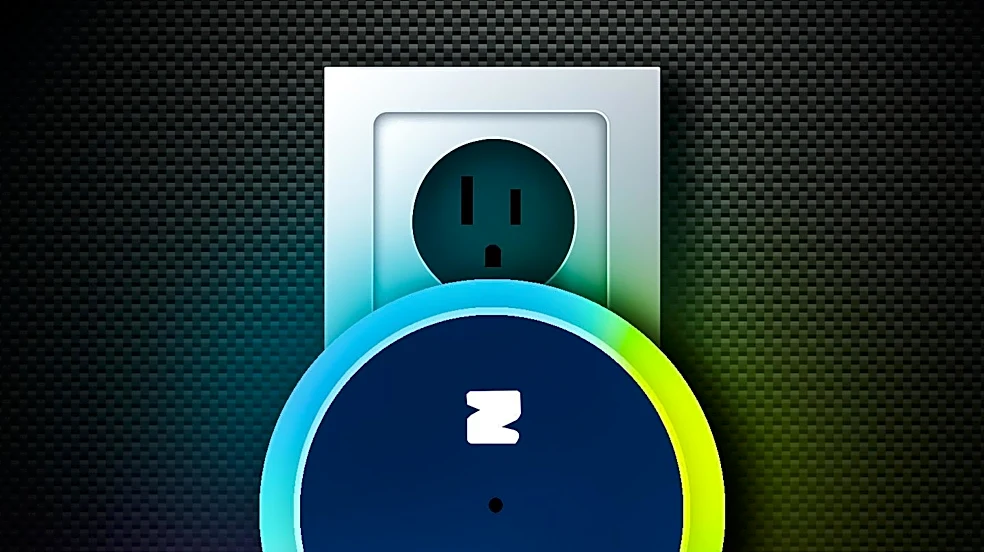
The market for voice-controlled smart plugs is expanding, offering consumers enhanced home automation and energy management capabilities. Devices like the GHome Smart Plug, Kasa Smart Plug Ultra Mini EP10, and Govee Smart Plug with Energy Monitoring are
designed to integrate seamlessly with popular voice assistants such as Amazon Alexa and Google Assistant. These smart plugs allow users to control household appliances remotely via smartphone apps, set schedules and timers for automated operation, and in some cases, monitor energy consumption in real-time. Many of these devices support 2.4GHz Wi-Fi for stable connectivity and are built with safety features like fire-resistant materials and certifications (e.g., ETL, FCC). Their compact designs ensure they do not obstruct adjacent outlets, making them practical for various home setups. The GHome Smart 5G 15A WiFi Smart Plug notably offers dual-band Wi-Fi support (2.4GHz and 5GHz) for increased flexibility and stability.
Why It's Important?
The proliferation of voice-controlled smart plugs signifies a significant shift towards more connected and energy-efficient homes in the U.S. These devices empower consumers to manage their energy usage more effectively, potentially leading to reduced electricity bills and a smaller carbon footprint. The convenience of voice commands and remote control enhances daily routines, making smart home technology accessible to a broader demographic. For industries, this trend drives innovation in smart home device manufacturing, software development for companion apps, and the integration of AI-powered voice assistants. The emphasis on safety certifications and robust connectivity also sets higher standards for product development, benefiting consumers with more reliable and secure devices. The ability to monitor energy consumption provides valuable data for both individual households and broader energy conservation initiatives, contributing to national sustainability goals.
What's Next?
The smart plug market is expected to continue its growth, with manufacturers likely focusing on further enhancing compatibility with diverse smart home ecosystems and improving data analytics for energy monitoring. Future developments may include more advanced AI integration for predictive automation, where devices learn user habits and optimize energy use autonomously. There could also be an increased emphasis on cybersecurity measures to protect user data and prevent unauthorized access, as smart homes become more interconnected. As 5G networks become more widespread, smart plugs offering dual-band or 5G connectivity will likely become standard, providing faster and more reliable performance. Additionally, the expansion of group control features and family sharing options will likely make smart home management more collaborative and user-friendly.
Beyond the Headlines
Beyond the immediate benefits of convenience and energy savings, the widespread adoption of voice-controlled smart plugs has deeper implications for privacy and data security. As these devices collect data on appliance usage and energy consumption, questions arise about how this data is stored, used, and protected. The ethical considerations of continuous monitoring and the potential for data breaches will become increasingly important. Furthermore, the reliance on proprietary apps and cloud services for functionality raises concerns about vendor lock-in and the long-term interoperability of smart home devices. The shift towards automated homes also subtly changes human interaction with technology, potentially leading to a greater dependence on AI and voice interfaces for everyday tasks. This evolution could influence future architectural designs, urban planning, and even the job market, as demand for smart home installation and maintenance services grows.