





What's Happening?
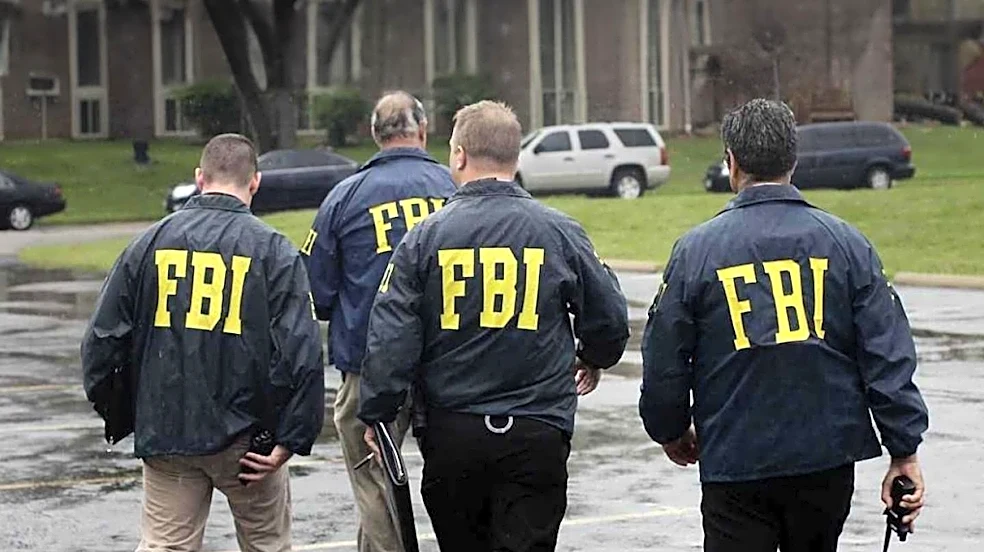
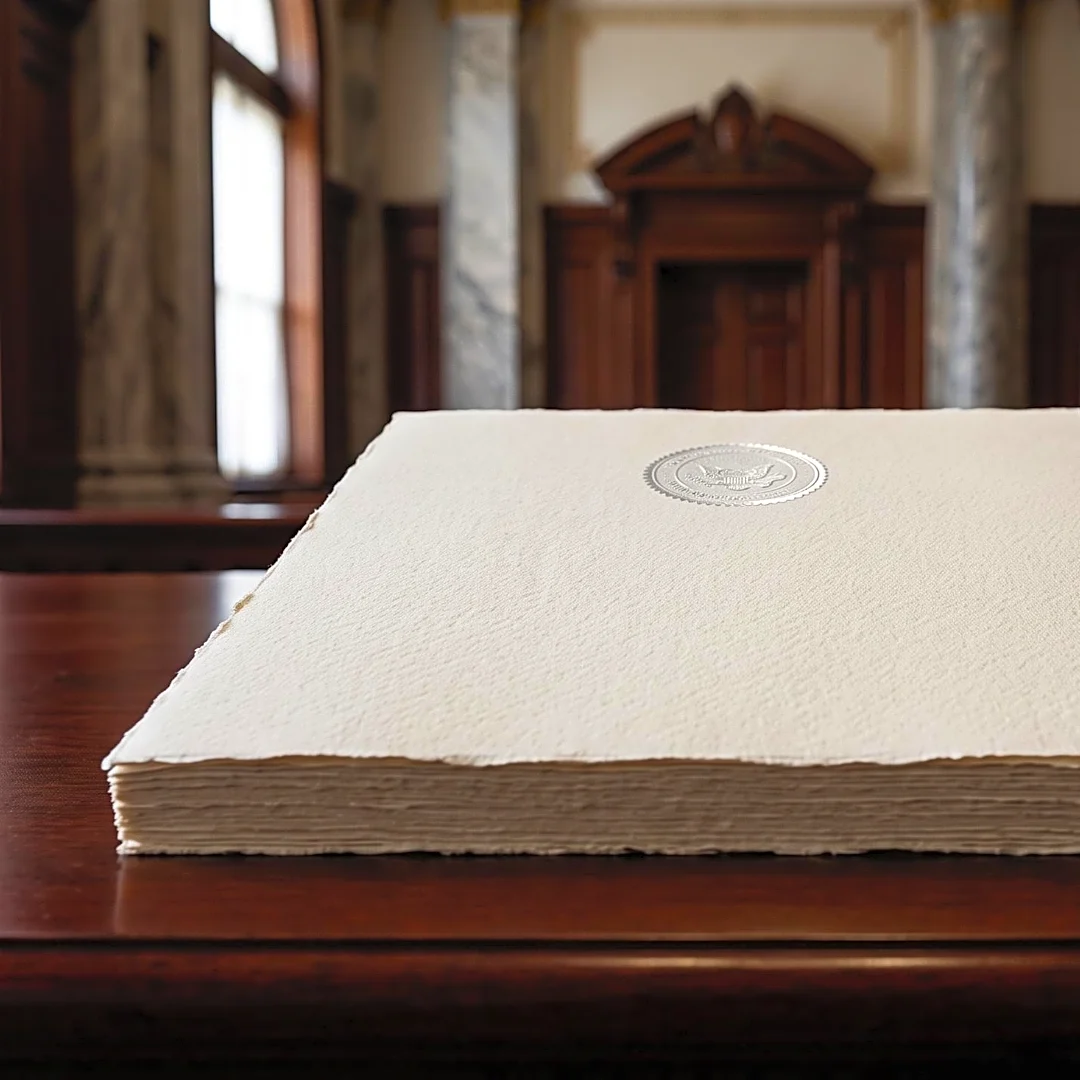
U.S. Representatives Greg Stanton, Yassamin Ansari, and Adelita Grijalva, all Arizona Democratic lawmakers, have reported receiving suspicious letters at their offices. These incidents have triggered an investigation by the FBI and the U.S. Postal Inspection
Service. The letters, some of which contained unknown substances, were sent to former office addresses of Representatives Ansari and Grijalva. A similar letter addressed to Representative Stanton’s Mesa office was intercepted before delivery. This development follows a recent incident where a letter containing white powder was opened in Secretary of State Adrian Fontes’ office, leading to an evacuation of the Executive Tower at the Arizona Capitol. Although the powder in that instance was later determined to be non-hazardous, these events are part of a broader trend of similar letters being sent to elected officials across the nation. Law enforcement agencies are actively investigating these occurrences to ensure the safety of public officials and their staff.
Why It's Important?
The receipt of suspicious letters by U.S. lawmakers, particularly those containing unknown substances, underscores a growing concern regarding the safety and security of elected officials and their staff. This pattern of incidents, extending nationwide, highlights potential threats to the democratic process and the individuals who serve in public office. Such events can create an atmosphere of fear and intimidation, potentially impacting the ability of lawmakers to conduct their duties without undue stress or concern for their well-being. The involvement of federal agencies like the FBI and the U.S. Postal Inspection Service signifies the seriousness with which these threats are being treated, emphasizing the need for robust security measures and thorough investigations to identify and apprehend those responsible. The disruption caused by these incidents, such as office evacuations, also has practical implications for government operations and public services.
What's Next?
The FBI and the U.S. Postal Inspection Service will continue their investigations into the suspicious letters sent to Arizona lawmakers and other elected officials nationwide. These investigations will likely focus on identifying the senders, determining the nature of any substances involved, and understanding the motivations behind these actions. Law enforcement agencies will aim to enhance security protocols for mail handling at government offices to prevent future incidents and ensure the safety of personnel. There may also be increased public awareness campaigns regarding suspicious mail and how to report it. Lawmakers, despite these incidents, have affirmed their commitment to continuing their work, indicating a resolve not to be intimidated. The ongoing investigations will be crucial in understanding the scope of this issue and implementing effective countermeasures.
Beyond the Headlines
Beyond the immediate security concerns, the repeated targeting of elected officials with suspicious mail raises deeper questions about the current political climate and the potential for domestic extremism or politically motivated harassment. These acts, even if the substances are ultimately harmless, contribute to a climate of fear and can have a chilling effect on public discourse and political engagement. The psychological impact on staff and officials, who are on the front lines of receiving such threats, is significant. Furthermore, these incidents highlight vulnerabilities in the security infrastructure surrounding government offices and the need for continuous adaptation to evolving threat landscapes. The collective response from law enforcement and the unwavering stance of lawmakers against intimidation are critical in upholding democratic principles and ensuring the continued functioning of government.