









What's Happening?
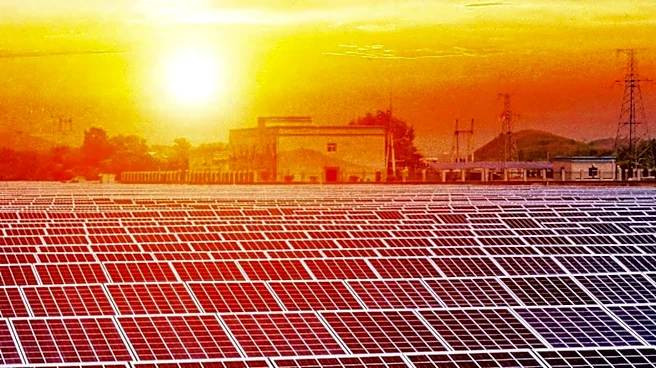
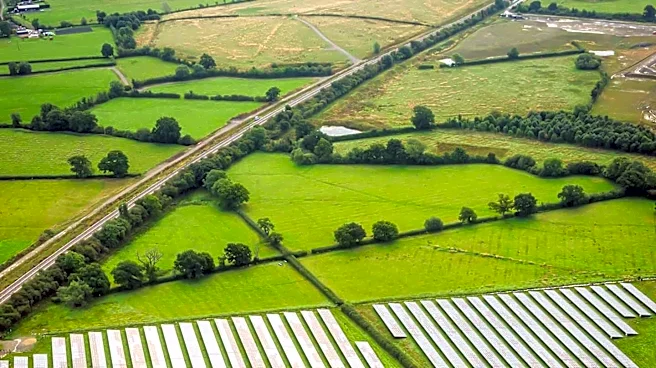
The Wexford Joint Planning Commission has unanimously recommended against a zoning amendment that would have facilitated a proposed 1,500-acre solar array in Wexford County. The decision came after significant public opposition, with residents expressing
concerns about the loss of productive farmland. The amendment would have allowed utilities on land zoned for agriculture and forest production, but opponents argued it was too broad and could lead to unintended uses. The proposal now goes to the nine townships under the commission's jurisdiction for a vote. The outcome reflects broader tensions between renewable energy development and land use priorities.
Why It's Important?
The rejection of the zoning amendment highlights the challenges of balancing renewable energy development with agricultural preservation. As demand for clean energy grows, conflicts over land use are likely to increase, particularly in rural areas. The decision underscores the importance of carefully considering the impacts of large-scale renewable projects on local communities and economies. It also raises questions about the role of state laws in overriding local zoning decisions, as seen with Michigan's Public Act 233, which limits local governments' ability to reject renewable energy projects.
What's Next?
The nine townships under the Wexford Joint Planning Commission will vote on the amendment, determining the project's future. If the amendment is rejected, the project's developers may seek state approval under Public Act 233. The outcome could influence future renewable energy projects in the region and shape local and state policies on land use and energy development. Stakeholders, including local residents, developers, and policymakers, will need to navigate these complex issues to find solutions that balance energy needs with community interests.