







What's Happening?
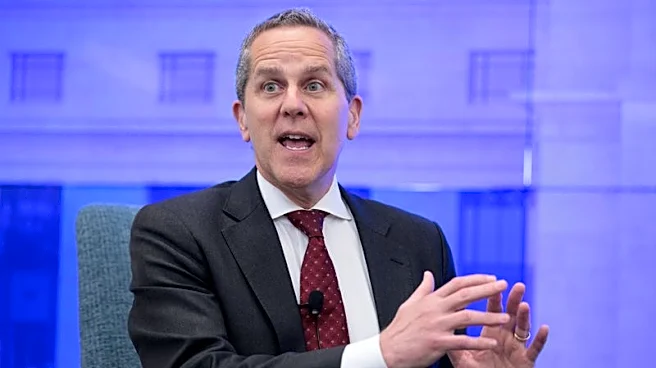
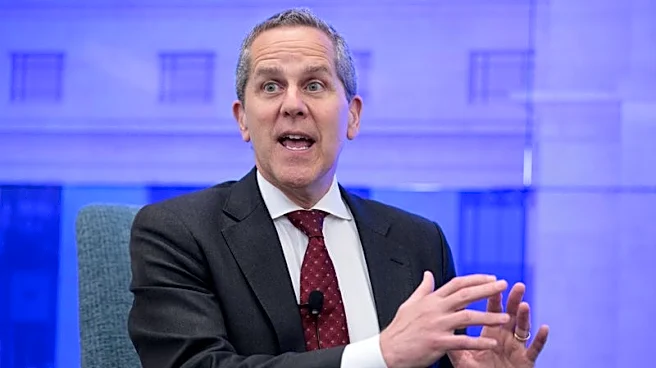
U.S. Representative Mike Quigley, alongside Secretary of State Alexi Giannoulias, is currently facing criticism for running for two offices simultaneously. Quigley is seeking reelection to his current position as a U.S. Representative while also campaigning
to become the next mayor of Chicago. This dual candidacy has drawn significant attention and criticism during the current election cycle. The practice of candidates hedging their bets by running for multiple offices has become a notable point of contention, with observers questioning the commitment and focus of individuals pursuing more than one political role. The situation highlights a broader trend of candidates engaging in multi-office campaigns, which is generating debate among voters and political commentators regarding its implications for governance and representation.
Why It's Important?
The dual candidacy of U.S. Rep. Mike Quigley is important as it raises questions about political accountability and the allocation of public resources. When a sitting representative campaigns for another office, it can lead to concerns about their focus on current legislative duties versus their mayoral aspirations. This scenario could potentially dilute the effectiveness of their representation in Congress, as their attention and time are divided between two demanding campaigns. For the electorate, it complicates the decision-making process, as voters must consider a candidate's commitment to their current role versus their potential future role. Furthermore, it can influence public perception of political ambition, potentially leading to cynicism if voters feel candidates are prioritizing personal advancement over dedicated public service. The outcome of such dual candidacies could set precedents for future election cycles, impacting how political figures approach career progression and public trust.
What's Next?
The immediate next steps will involve U.S. Rep. Mike Quigley continuing his campaigns for both his congressional reelection and the Chicago mayoral race. As the election cycle progresses, public scrutiny of his dual role is likely to intensify, particularly from political opponents and media outlets. Voters in both his congressional district and the city of Chicago will need to weigh his commitment to each position. The criticism he is currently receiving may influence voter sentiment and could become a significant factor in the outcomes of both elections. Depending on the results, this situation could either validate the strategy of dual candidacy or serve as a cautionary tale for future political aspirants. The ongoing debate will likely shape discussions around electoral ethics and candidate responsibilities in the lead-up to the elections.
Beyond the Headlines
Beyond the immediate electoral implications, the dual candidacy of U.S. Rep. Mike Quigley touches upon deeper issues concerning political ambition and the structure of electoral systems. This practice highlights a potential loophole or area for reform in election laws, where candidates are permitted to run for multiple offices concurrently. It raises ethical questions about whether a candidate can genuinely serve two masters—their current constituents and a prospective new electorate—with equal dedication. The phenomenon could also reflect a broader trend of political opportunism, where individuals leverage their existing public profile to seek higher office, potentially at the expense of focused governance. This situation might prompt discussions among policymakers and advocacy groups about implementing rules that prevent or restrict simultaneous candidacies, aiming to ensure that elected officials are fully committed to the roles they seek and hold. The long-term impact could be a reevaluation of electoral norms and a push for greater clarity in candidate commitments.