




What's Happening?
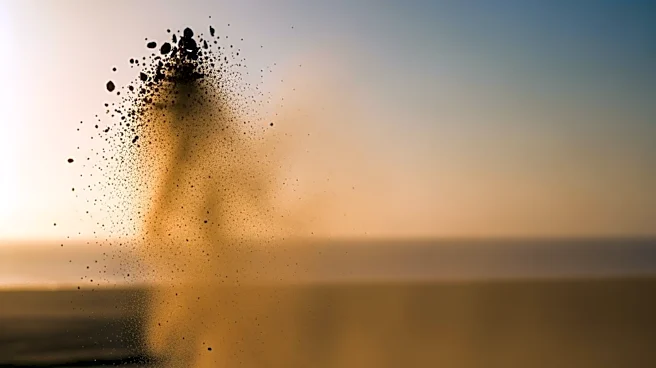
A massive plume of Saharan dust is making its way across the Atlantic Ocean and is expected to reach the Gulf Coast, including Alabama, in the coming days. This annual event, known as the Saharan Air Layer, involves dust from the Sahara Desert traveling
across the ocean, creating hazy skies and vibrant sunrises and sunsets. The dust can also reduce air quality, posing health risks for individuals with respiratory issues. Meteorologist Tony Mainolfi reports that the dust is already over the Gulf of Mexico and is expected to reach Louisiana and Alabama soon. The dust can stabilize the atmosphere, potentially leading to fewer showers and thunderstorms, resulting in sunny weather for Alabama.
Why It's Important?
The arrival of Saharan dust in Alabama could have both positive and negative effects. On the one hand, the dust can stabilize the atmosphere, reducing the likelihood of severe weather and providing clear, sunny days. On the other hand, the dust can worsen air quality, particularly affecting individuals with asthma, COPD, and other respiratory conditions. The American Lung Association advises staying indoors, using air conditioning, and wearing masks to reduce exposure. Understanding the impact of Saharan dust is crucial for public health and safety, as well as for predicting weather patterns in the region.
What's Next?
As the Saharan dust continues to move across the Gulf Coast, residents in Alabama and surrounding areas should monitor air quality reports and take precautions to protect their health. Meteorologists will continue to track the dust's movement and its impact on weather conditions. Public health officials may issue advisories to help vulnerable populations minimize exposure to dust-related health risks. The ongoing study of the Saharan Air Layer will contribute to a better understanding of its effects on weather and air quality in the southeastern United States.