




What's Happening?
Senator Jeff Merkley (D-OR), alongside Senate Democratic Leader Chuck Schumer (D-NY) and other Democratic senators, has urged the Acting Treasury Inspector General for Tax Administration (TIGTA) to investigate the Internal Revenue Service (IRS) for allegedly
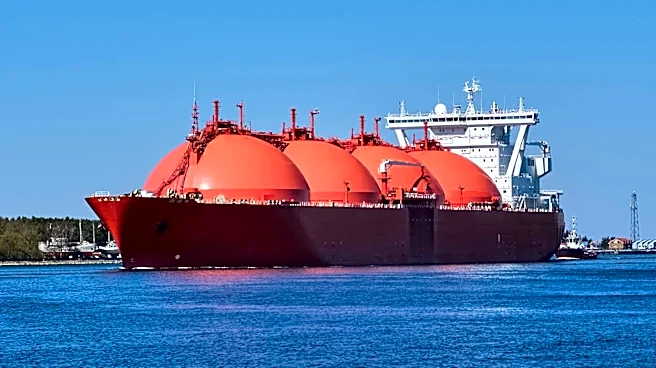
granting tax breaks to liquefied natural gas (LNG) exporters. The senators are concerned that the IRS has allowed LNG tankers to claim Alternative Fuel Excise Tax (AFET) credits by treating them as “motorboats,” despite federal shipping regulations defining motorboats as vessels no more than 65 feet long, while LNG tankers are typically 1,000 feet or more. This move, they argue, favors fossil fuel companies at the expense of taxpayers and does not align with environmental protection goals or efforts to reduce reliance on fossil fuels. They specifically request TIGTA to determine how the IRS made this decision, what guidance was provided to taxpayers, and whether Secretary Bessent or his staff communicated with anyone in the White House, including President Trump, regarding these tax credits.
Why It's Important?
This investigation is important because it raises questions about the impartiality and transparency of the IRS in applying tax laws, particularly concerning large corporations and potentially politically motivated decisions. If the IRS has indeed reclassified LNG tankers as 'motorboats' to grant significant tax breaks, it could set a precedent for other industries to seek similar reclassifications, leading to substantial revenue losses for the U.S. Treasury. The senators' concerns about rewarding political donors and the lack of updated guidance from the IRS highlight potential ethical and legal issues. Furthermore, such tax breaks could undermine U.S. climate goals by subsidizing fossil fuel industries, contradicting efforts to transition to cleaner energy sources. The outcome of this investigation could influence future tax policy, regulatory oversight of the IRS, and public trust in government institutions.
What's Next?
The Acting Treasury Inspector General for Tax Administration (TIGTA) is expected to respond to the senators' request and potentially launch a formal investigation into the IRS's decision-making process regarding AFET credits for LNG tankers. This investigation would likely involve reviewing internal IRS communications, policy interpretations, and any interactions with external stakeholders, including the White House and fossil fuel companies. Depending on TIGTA's findings, there could be calls for legislative action to clarify the definition of 'motorboat' within the tax code or to reform the process by which the IRS issues guidance on tax credits. Public and congressional scrutiny of the IRS's operations, particularly concerning large corporate tax benefits, is likely to intensify. The fossil fuel industry, especially LNG exporters, will be closely watching the developments, as the potential revocation or reinterpretation of these tax breaks could significantly impact their operational costs and profitability.
Beyond the Headlines
Beyond the immediate financial implications, this issue touches upon broader themes of regulatory capture and the influence of special interests on government policy. The allegation that tax breaks might be linked to political donations suggests a potential erosion of democratic principles and fair governance. It also highlights the ongoing tension between economic development, energy policy, and environmental protection in the U.S. The reclassification of large industrial vessels as 'motorboats' for tax purposes could be seen as an example of how technical interpretations of law can have far-reaching consequences, potentially circumventing the original intent of legislation. This situation could also fuel public debate about corporate accountability and the need for greater transparency in government decision-making, particularly when it involves significant financial benefits to specific industries.