




What's Happening?
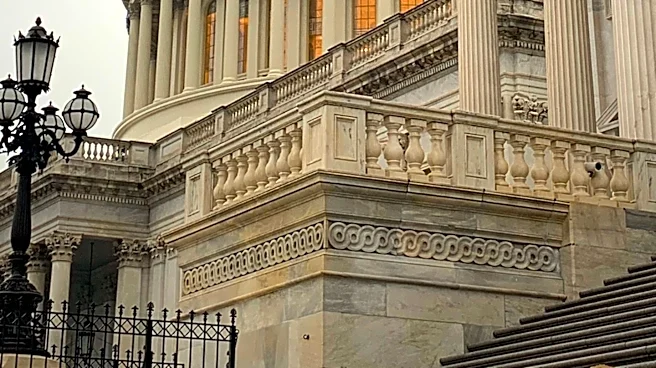
Congress is preparing another budget reconciliation bill ahead of the midterm elections, which critics argue is being used to increase spending rather than address the nation's fiscal challenges. Originally designed to facilitate difficult fiscal decisions
by allowing certain budget legislation to pass with a simple Senate majority, reconciliation is now seen as a tool for bypassing procedural hurdles without enacting meaningful deficit reduction. The current package, the third of this Congress, is criticized for using deficit reduction processes to finance new priorities while avoiding necessary structural reforms. Key programs like Social Security, Medicare, and Medicaid, which grow automatically under current law, are major contributors to the federal debt, projected to surpass its World War II high by 2030. Congress's reliance on continuing resolutions and last-minute legislation is seen as avoiding fiscal discipline, with calls for a BRAC-style fiscal commission to address the unsustainable fiscal trajectory.
Why It's Important?
The use of budget reconciliation as a tool for increased spending rather than deficit reduction highlights a significant challenge in U.S. fiscal policy. With federal debt projected to reach unprecedented levels, the lack of structural reforms in entitlement programs poses a long-term risk to economic stability. The political convenience of avoiding tough fiscal decisions through procedural shortcuts undermines efforts to address the root causes of the debt crisis. This approach shifts the burden of fiscal irresponsibility onto future generations, potentially leading to harsher economic trade-offs. The situation underscores the need for political courage and innovative processes to enact necessary reforms, ensuring fiscal sustainability and economic health.
What's Next?
If Congress continues to use reconciliation for spending increases without addressing structural fiscal issues, the U.S. may face more severe economic consequences. The proposal for a BRAC-style fiscal commission could gain traction as a means to enforce fiscal discipline and prioritize spending reductions. Political leaders may need to confront the growing debt crisis with more comprehensive reforms to entitlement programs. The upcoming midterm elections could influence the direction of fiscal policy, with voters potentially demanding greater accountability and sustainable financial management from their representatives.