




What's Happening?
A recent Ipsos poll indicates that 67% of American workers believe the rise of artificial intelligence (AI) will worsen their work experience by eliminating jobs and increasing pressure to boost productivity. The survey, conducted among 1,533 Americans
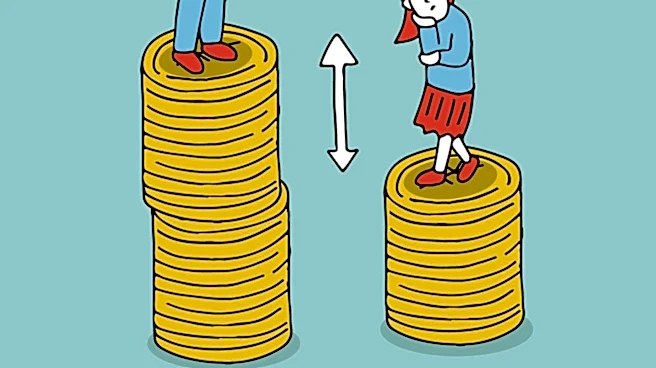
aged 18-75, highlights concerns about AI's impact on the workforce. While 30% of respondents think AI could improve work by automating repetitive tasks, a significant portion remains skeptical. Only 5% believe that U.S. workers will primarily benefit from AI, with 16% stating that only business owners or executives will gain from its adoption. The poll also reveals that 34% of respondents expect AI to have no impact on their jobs, while 12% fear it will make their tasks more challenging or less fulfilling. The survey's margin of error is plus or minus 2.7 percentage points.
Why It's Important?
The findings underscore a growing anxiety among American workers about the potential for AI to disrupt the job market. As AI technologies continue to evolve, there is a concern that they could lead to significant job displacement, particularly in roles that involve routine tasks. This sentiment is echoed by some members of Congress, including Republican Michigan Rep. Tim Walberg, who has highlighted the need for reliable insights into AI's effects on jobs and skills. The poll's results suggest that while AI has the potential to enhance productivity, it also poses a threat to job security, which could have broader implications for the U.S. economy and workforce development strategies.
What's Next?
As AI continues to integrate into various industries, businesses and policymakers may need to address the concerns of workers regarding job security and the future of work. This could involve developing strategies to reskill workers and ensure that the benefits of AI are distributed more equitably across the workforce. Additionally, ongoing monitoring and research into AI's impact on employment will be crucial to inform policy decisions and support workers in adapting to technological changes.