


What's Happening?
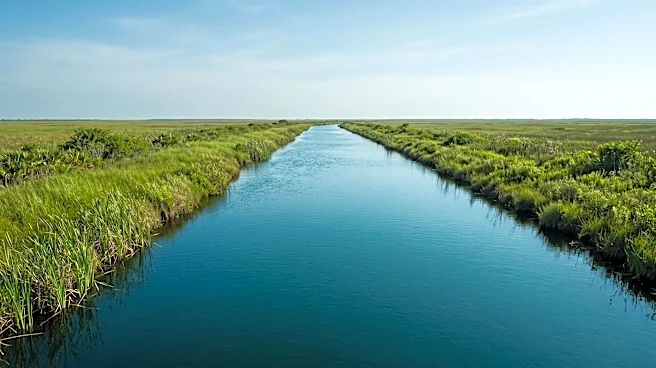
Florida Governor Ron DeSantis announced the official completion of the C-23 Canal Estuary Discharge Diversion Project in Martin County. This $50 million initiative, funded and completed during his tenure, is a significant component of Florida's broader
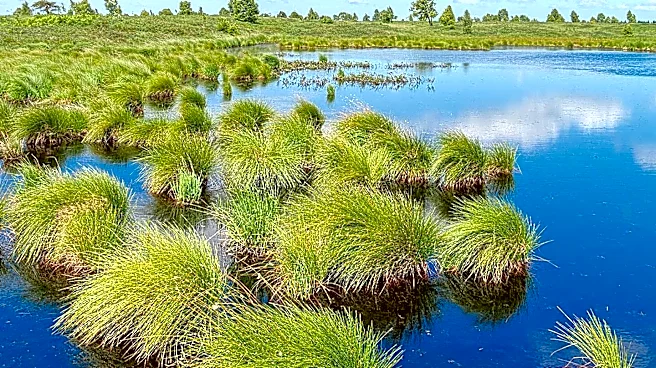
environmental restoration efforts. The project's primary goal is to redirect excess water from the C-23 Canal, preventing its discharge into the South Fork of the Saint Lucie River. Instead, the water will be diverted to the C-44 Reservoir and Stormwater Treatment Area. This rerouting is designed to mitigate the risk of harmful algal blooms, which have historically impacted the St. Lucie Estuary and the Indian River Lagoon. Governor DeSantis highlighted that his administration has invested nearly $6 billion of a planned $10 billion in Everglades restoration and water quality projects since 2019. These efforts have led to the completion or initiation of over 90 Everglades projects, resulting in an annual reduction of 5.6 million pounds of nitrogen and almost 1 million pounds of phosphorus.
Why It's Important?
The completion of the C-23 Canal Estuary Discharge Diversion Project holds substantial importance for Florida's environmental health and economy. Harmful algal blooms, often fueled by nutrient-rich discharges, have severely impacted the state's waterways, leading to ecological damage, fish kills, and significant economic losses for industries reliant on clean water, such as tourism and fishing. By diverting these discharges, the project aims to restore the water quality of the St. Lucie Estuary and the Indian River Lagoon, protecting vital ecosystems and supporting local economies. The substantial investment by the DeSantis administration underscores a long-term commitment to environmental stewardship, recognizing the direct link between Florida's natural resources, its economic competitiveness, and the quality of life for its residents. This project serves as a model for large-scale water management and pollution reduction strategies, potentially influencing similar initiatives in other coastal states facing comparable environmental challenges.
What's Next?
Following the successful operational testing period and ceremonial opening, the C-23 Canal Estuary Discharge Diversion Project is now fully functional, contributing to ongoing water quality improvements in the region. The South Florida Water Management District and the Florida Department of Environmental Protection will continue to monitor the project's effectiveness in reducing harmful discharges and improving the health of the St. Lucie Estuary and Indian River Lagoon. Future efforts will likely focus on the continued implementation of the broader Everglades restoration plan, with the remaining $4 billion of the $10 billion investment to be allocated to additional projects. This includes further initiatives aimed at reducing nutrient loads, restoring natural water flows, and protecting Florida's diverse aquatic environments. The success of this project may also inform policy decisions and funding priorities for future environmental protection and restoration efforts across the state.
Beyond the Headlines
Beyond the immediate environmental benefits, the C-23 Canal project highlights a broader shift towards proactive environmental management and infrastructure investment in Florida. The significant financial commitment and the scale of the projects undertaken reflect a recognition that ecological health is intrinsically linked to economic prosperity and public well-being. This approach moves beyond reactive measures to address pollution and instead focuses on systemic solutions to prevent environmental degradation. The project also underscores the complex interplay between agricultural practices, urban development, and natural ecosystems, emphasizing the need for integrated water management strategies. The long-term success of such initiatives will depend on sustained political will, continued scientific monitoring, and public engagement, setting a precedent for how states can tackle large-scale environmental challenges through comprehensive planning and substantial investment.