






What's Happening?
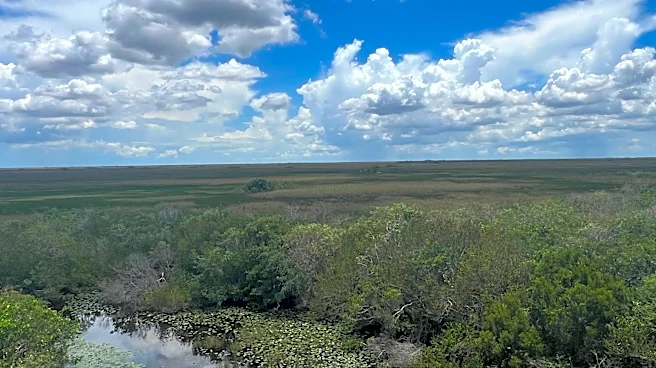
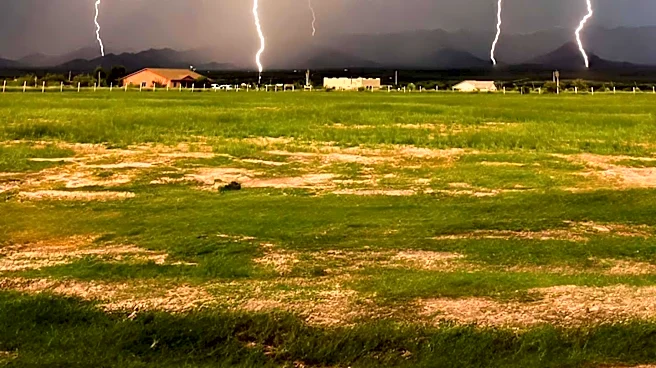
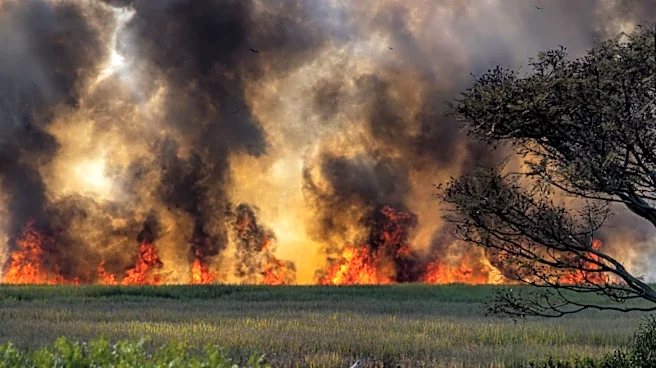
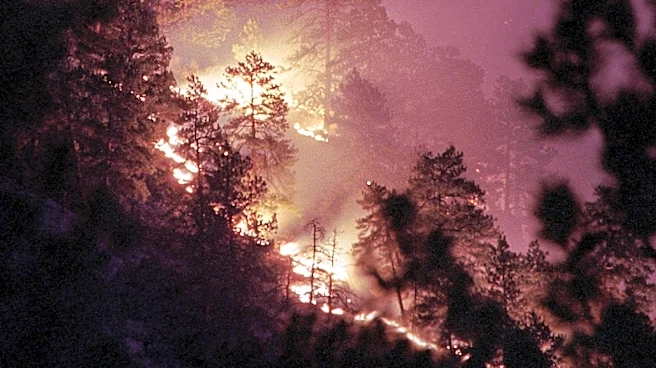
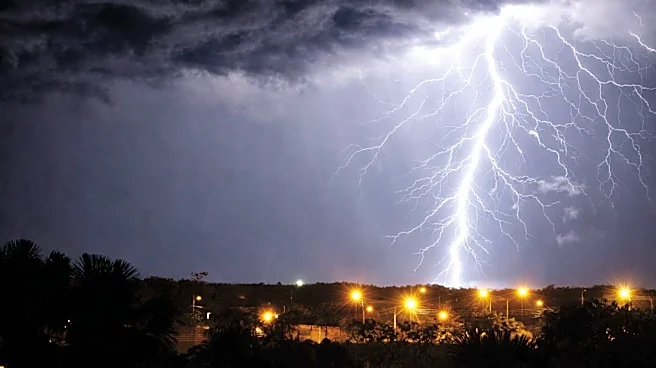
Two lightning-sparked wildfires, named the Chipmunk Fire and the Vulture Fire, recently burned over 17,000 acres in Everglades National Park, leading to the temporary closure of the Shark Valley area. The Chipmunk Fire, the larger of the two, consumed
approximately 17,000 acres and is located six miles south of the Shark Valley Observation Tower, with firefighters achieving 60 percent containment. The smaller Vulture Fire, which burned 347 acres closer to the park area, has been fully contained. The fires, which began on a Friday and Saturday respectively, were situated near the Miami-Dade and Broward County line, close to Krome Avenue and U.S. 27. The National Park Service reported no damage to trails or park infrastructure. The emergency closure of Shark Valley was lifted on Monday afternoon, allowing public access to the trails to resume. Elizabeth Storm, communications liaison with the National Park Service, acknowledged the efforts of regional firefighters in containing the blazes, noting that such fires are a natural occurrence within the wetland ecosystem.
Why It's Important?
The occurrence of these significant wildfires in Everglades National Park underscores the ongoing challenges and natural processes within critical U.S. ecosystems. While the National Park Service stated that these fires are natural occurrences in the resilient wetland, their scale and proximity to public access points highlight the constant need for monitoring and rapid response. The temporary closure of Shark Valley, a popular tourist destination, impacts local tourism and recreational activities, even if briefly. The successful containment efforts by firefighters demonstrate the importance of trained personnel and coordinated responses in protecting both natural resources and public safety. The lack of damage to park infrastructure is a positive outcome, but the event serves as a reminder of the potential for widespread ecological and economic disruption that large-scale wildfires can cause, particularly in sensitive environments like the Everglades, which are vital for biodiversity and water management in Florida.
What's Next?
With the Shark Valley area of Everglades National Park now reopened, authorities will likely continue to monitor the Chipmunk Fire until it is fully contained, given its current 60 percent containment status. The National Park Service will also likely assess any long-term ecological impacts of the fires, although initial reports indicate no damage to trails or infrastructure. Future efforts may focus on preventative measures and public education regarding wildfire safety, especially concerning lightning-sparked incidents, which are a natural part of the Everglades ecosystem. Local and federal agencies will continue to coordinate on wildfire management strategies to protect both the park's unique environment and the safety of visitors and nearby communities. The incident may also prompt discussions on resource allocation for wildfire response in national parks, particularly as climate patterns potentially influence the frequency and intensity of such events.
Beyond the Headlines
These wildfires in Everglades National Park highlight the complex relationship between natural ecological processes and human activity within protected areas. While fire is a natural and often necessary component of the Everglades ecosystem, contributing to its health and biodiversity, the increasing frequency and intensity of wildfires due to climate change can pose significant threats. The incident also brings to light the delicate balance between allowing natural processes to occur and intervening to protect human infrastructure and public safety. The successful containment without infrastructure damage underscores effective land management practices, yet the broader implications of such events on air quality, wildlife habitats, and water resources in the long term warrant continuous scientific study. Furthermore, the temporary closure of a major tourist attraction like Shark Valley can have subtle economic ripple effects on local businesses dependent on park visitors, even for short durations, emphasizing the interconnectedness of environmental health and regional economies.