





What's Happening?
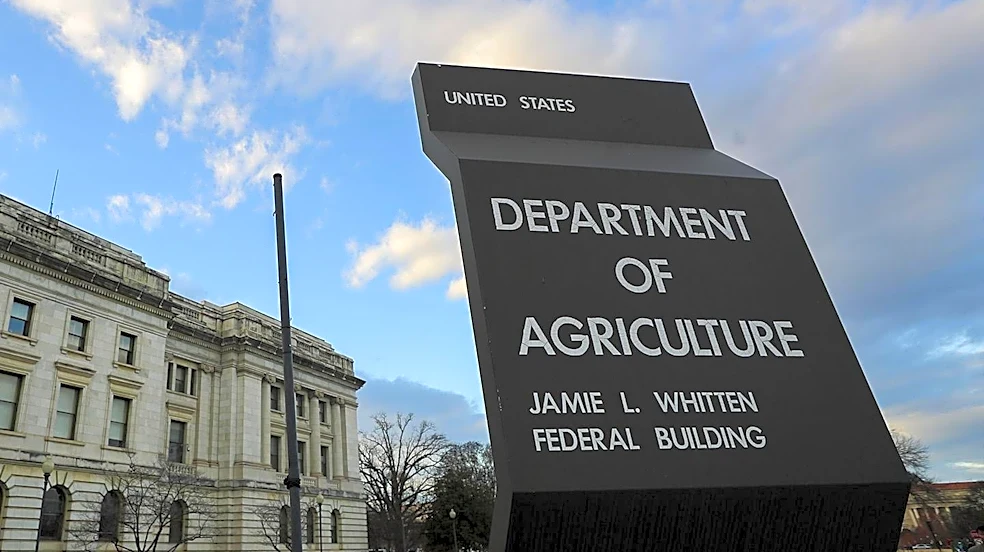
The World Food Programme (WFP) announced on October 16 that it has received over $182 million in awards from the U.S. Department of Agriculture (USDA). These funds are designated for a combination of emergency food assistance in three countries and school
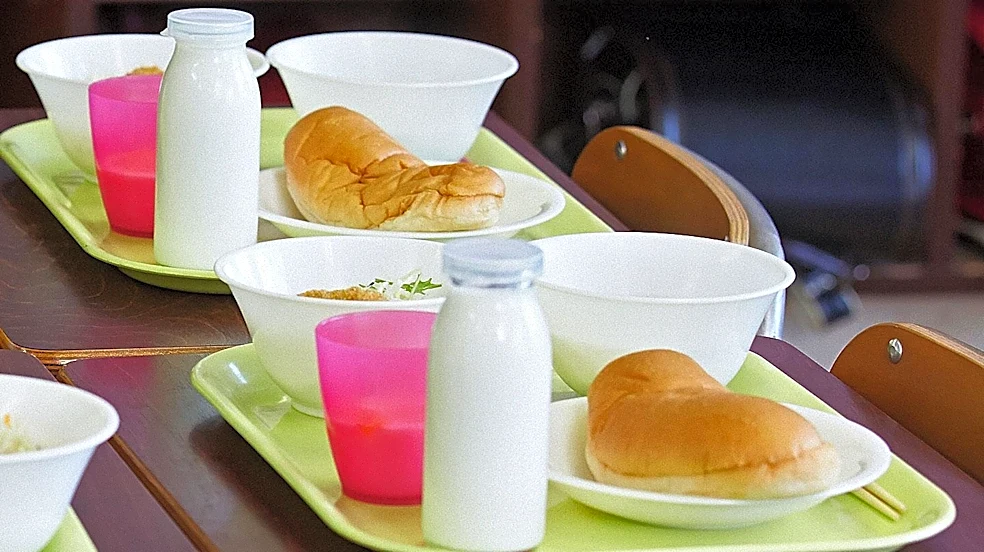
meal programs in Cambodia. Specifically, three Food for Peace awards totaling $147.6 million will provide over 60,000 metric tonnes of U.S.-sourced food, including grains, pulses, oil, and fortified nutrition products, to more than two million people in the Democratic Republic of the Congo, Ethiopia, and Haiti. The fourth award, $35 million through the McGovern-Dole program, is allocated for school meals for an estimated 143,000 Cambodian students across more than 650 schools. This program will utilize over 9,100 tonnes of U.S.-sourced rice, yellow split peas, and vegetable oil over a five-year period, with Cambodia expected to contribute nearly $10 million in co-financing.
Why It's Important?
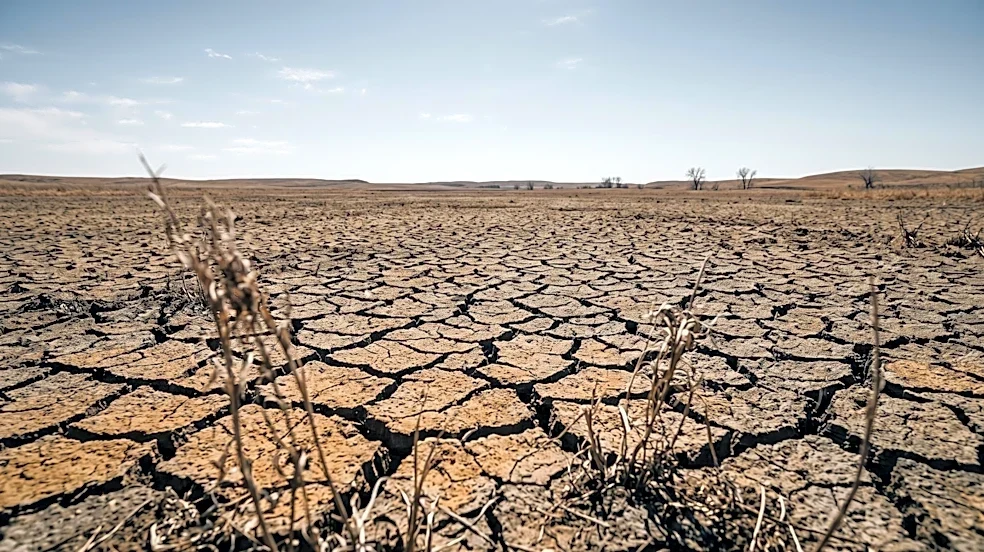
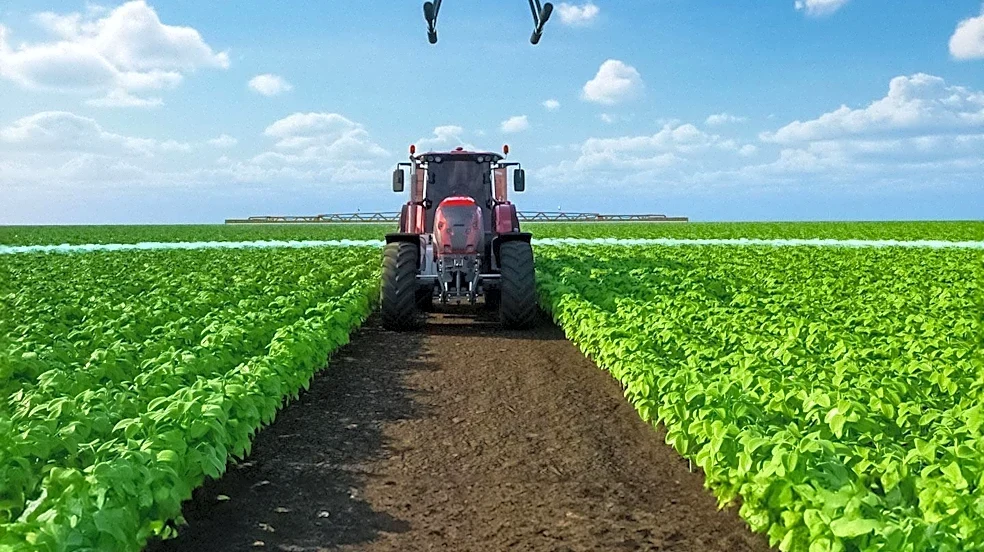
This significant allocation highlights the dual role of U.S. agricultural commodities in both humanitarian aid and international development. For U.S. farmers, these awards represent a substantial sales channel for their products, linking domestic supply chains to global food security initiatives. The provision of emergency food aid addresses critical humanitarian needs in crisis-affected regions, potentially stabilizing populations and preventing further suffering. The school meal program in Cambodia is crucial for improving nutrition and educational outcomes for children, fostering long-term development. The co-financing from Cambodia also demonstrates a commitment to sustainability and local ownership of the program, which can lead to more effective and lasting impacts. This initiative underscores the U.S.'s continued leadership in global food assistance and its strategic use of agricultural resources to achieve both economic and humanitarian objectives.
What's Next?
The immediate next steps involve the procurement, shipping, and distribution of the allocated food commodities. While the awards represent a financial commitment, the actual delivery and impact depend on various logistical factors, including trade financing, procurement tenders, shipping access, customs clearance, and local security conditions. For the school meal program in Cambodia, the multi-year commitment will require ongoing monitoring of delivery and attendance data to assess its effectiveness. The Cambodian government's co-financing suggests a potential for the program's continuity even after external funding concludes. Stakeholders will be watching how quickly these commitments translate into tangible food aid and meals on the ground, and how effectively the logistical challenges in each recipient country are managed to ensure timely and efficient delivery.
Beyond the Headlines
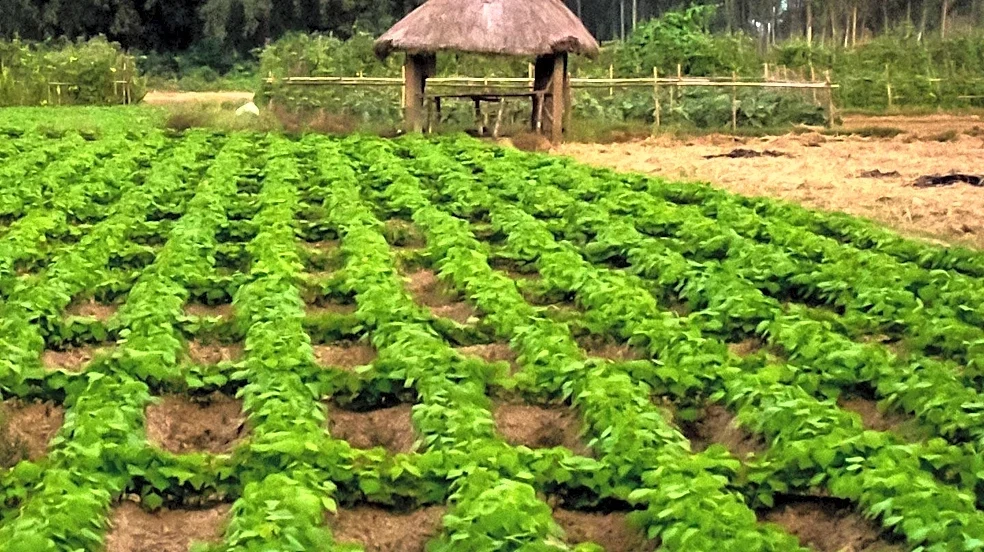
Beyond the immediate provision of food, these programs carry deeper implications for international relations and agricultural policy. The use of U.S.-sourced commodities in aid programs can strengthen diplomatic ties and project U.S. influence globally. It also raises questions about the balance between humanitarian objectives and the economic interests of donor countries. The long-term impact of school meal programs extends beyond nutrition, potentially fostering educational attainment, gender equality, and community development. However, reliance on external food aid can also have complex effects on local agricultural markets in recipient countries, sometimes impacting local farmers. The emphasis on U.S.-sourced products also highlights the interconnectedness of global food systems and the role of major agricultural producers in addressing food insecurity worldwide.