




What's Happening?
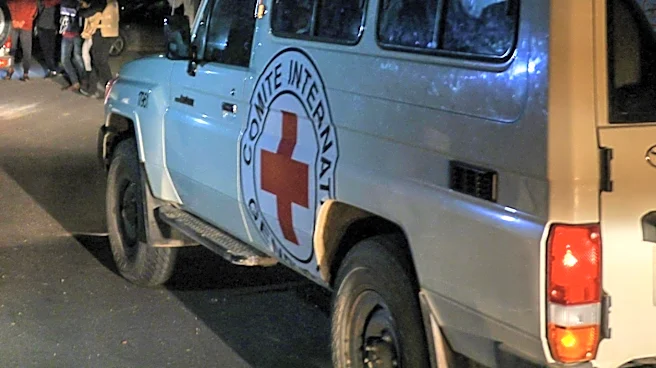
Mirjana Spoljaric, President of the International Committee of the Red Cross (ICRC), has confirmed meeting with former Hamas leader Ismail Haniyeh in Qatar on two separate occasions. The primary objective of these discussions was to facilitate a visit
by the ICRC to Israeli hostages being held in Gaza. Spoljaric also met with Prime Minister Benjamin Netanyahu on this issue. She described these meetings as "tough discussions" and emphasized the necessity of their confidentiality. The ICRC President stated that the issue of visiting hostages is "much more complicated" than their return, and the organization operates within its available tools. She believes that pressure for negotiations should have been applied earlier to save more lives. Despite these efforts, Spoljaric indicated that the ICRC has not yet gained access to the hostages.
Why It's Important?
The ongoing efforts by the ICRC to gain access to Israeli hostages in Gaza highlight the complex humanitarian challenges in conflict zones. The ICRC's strict adherence to neutrality, as emphasized by President Spoljaric, is crucial for its ability to operate in such sensitive environments and facilitate humanitarian actions, including the return of hostages. However, this neutrality often places the organization in difficult positions, as it must engage with all parties to a conflict, which can draw criticism. The lack of access to hostages raises significant concerns about their well-being and the adherence to international humanitarian law. The call for earlier negotiation pressure underscores the urgency and potential for more effective interventions in hostage situations, impacting the lives of those held captive and their families.
What's Next?
The ICRC will likely continue its confidential diplomatic efforts with all relevant parties to secure access to the Israeli hostages in Gaza. President Spoljaric's remarks suggest that the organization will persist in advocating for the hostages' release and the ability to visit them, despite the complexities. The ongoing nature of these discussions indicates that a resolution is not imminent, and the situation remains highly sensitive. Future developments will depend on the willingness of all parties to cooperate with the ICRC and adhere to humanitarian principles. The international community will continue to monitor these efforts, with potential for increased pressure on involved parties to facilitate humanitarian access and ensure the safety of the hostages.
Beyond the Headlines
The ICRC's struggle to access hostages in Gaza brings to light the broader ethical and legal dilemmas surrounding hostage-taking in modern conflicts. President Spoljaric's assertion that "nothing more complex, and to a certain extent also more brutal, than hostage-taking" underscores the profound human rights implications. The organization's commitment to neutrality, while essential for its mission, often means navigating a delicate balance between humanitarian imperatives and political realities. This situation also highlights the psychological toll on families of hostages, who have actively pushed for ICRC intervention. The call for earlier pressure in negotiations suggests a critical re-evaluation of international response mechanisms in such crises, aiming to prevent prolonged suffering and loss of life. The incident also raises questions about the enforcement of international humanitarian law and the responsibilities of all parties in a conflict to protect civilians and those hors de combat.