






What's Happening?
The United Nations Educational, Scientific and Cultural Organization (UNESCO) has added the D-Day landing beaches in northern France and Mount Olympus in Greece to its World Heritage List. This decision was made during a committee meeting in South Korea,
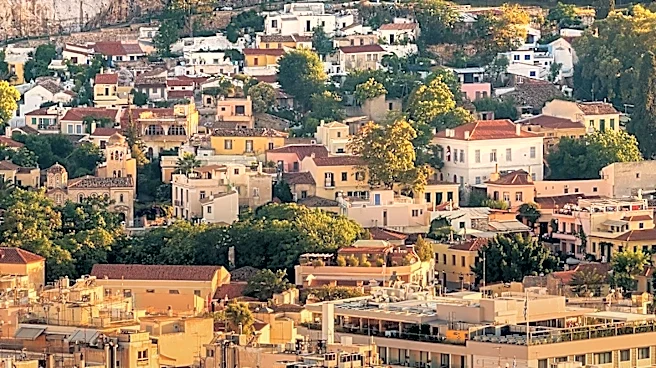
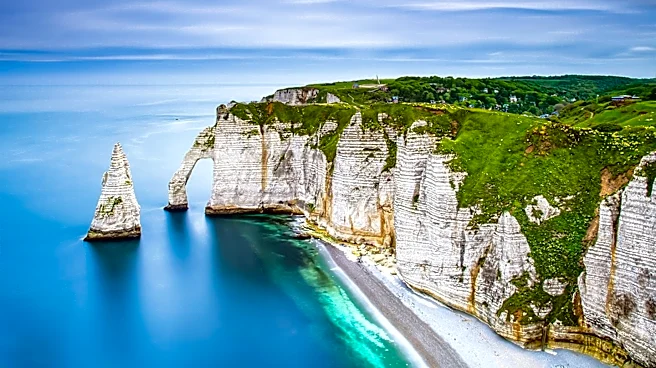
where several sites were reviewed for their historical and cultural significance. The D-Day beaches, including Omaha, Utah, Sword, Gold, and Juno, are recognized for their role in the Allied invasion during World War II, which was pivotal in liberating Western Europe from Nazi occupation. Mount Olympus, known as the mythical home of the Greek gods, is celebrated for its cultural and natural heritage, featuring rich biodiversity and historical significance as the throne of Zeus.
Why It's Important?
The inclusion of these sites on the World Heritage List underscores their global cultural and historical importance. For the D-Day beaches, this recognition highlights the significance of the Allied invasion in shaping the post-war world order and promoting peace and security. It also brings attention to the need for preservation efforts against threats like climate change and tourism. Mount Olympus's designation emphasizes the importance of preserving natural landscapes that hold cultural and mythological significance. This recognition can boost tourism and local economies while ensuring that these sites are protected for future generations.
What's Next?
Following their inclusion on the World Heritage List, both sites are expected to see increased tourism, which could provide economic benefits but also necessitates careful management to prevent environmental degradation. Preservation efforts will likely be intensified to protect these sites from the impacts of climate change and human activity. Local and international stakeholders may collaborate to develop sustainable tourism strategies that balance economic growth with conservation.