
What's Happening?
Recent studies presented at an international AIDS conference in Rio de Janeiro highlight the negative effects of funding cuts to HIV programs under the Trump administration. The cuts have led to significant
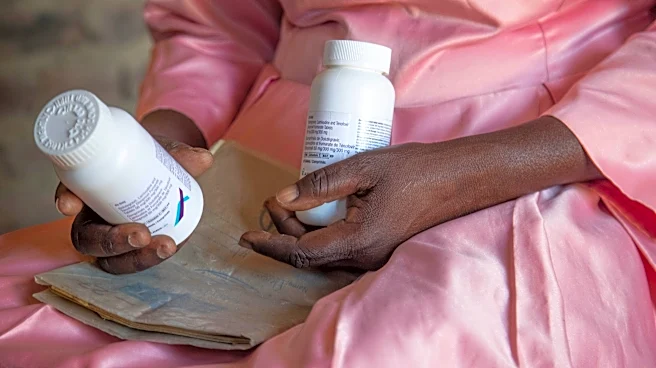
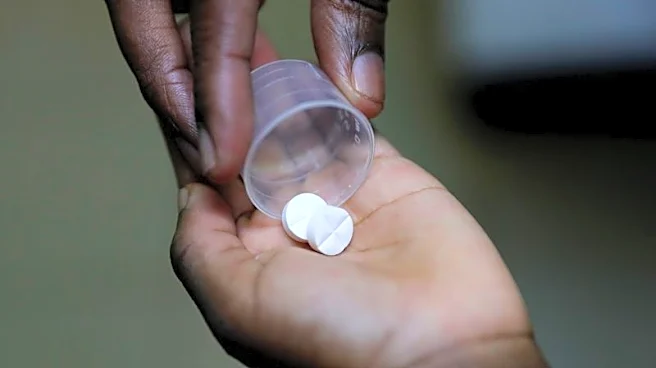
reductions in prevention and treatment efforts, particularly affecting vulnerable groups such as sex workers and transgender individuals. The amFAR study indicates that three-quarters of organizations funded by PEPFAR have ceased services to high-risk populations. Additionally, a separate study shows a 14% decline in treatment for children in 2025 compared to the previous year. The State Department disputes these findings, claiming the cuts have strengthened PEPFAR.
Why It's Important?
The funding cuts to HIV programs have far-reaching implications for global health, particularly in countries heavily reliant on PEPFAR support. The reduction in services threatens to reverse progress made in combating HIV/AIDS, potentially leading to increased transmission rates and mortality. Vulnerable populations, including children and marginalized groups, are at heightened risk due to decreased access to essential services. The controversy over the cuts also reflects broader debates about U.S. foreign aid and public health priorities, with potential impacts on international relations and America's role in global health initiatives.
Beyond the Headlines
The cuts to HIV programs raise ethical concerns about the responsibility of wealthy nations to support global health efforts. The decision to reduce funding may also reflect shifting political priorities, with potential long-term consequences for international health diplomacy. The situation underscores the importance of sustainable funding models and the need for comprehensive strategies to address public health challenges. The expanded Mexico City Policy further complicates the landscape, restricting funding for organizations that support reproductive health and LGBTQ+ rights, highlighting tensions between domestic policies and international health commitments.