








What's Happening?
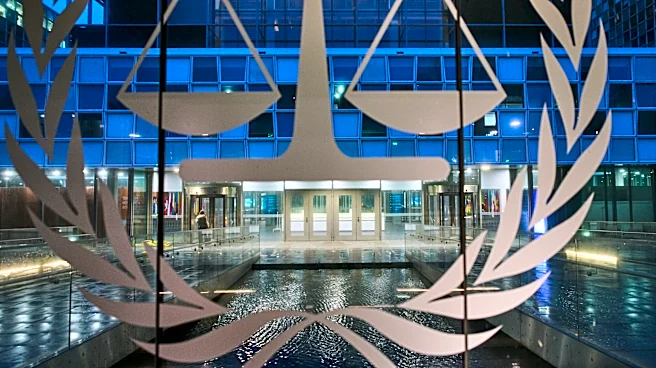
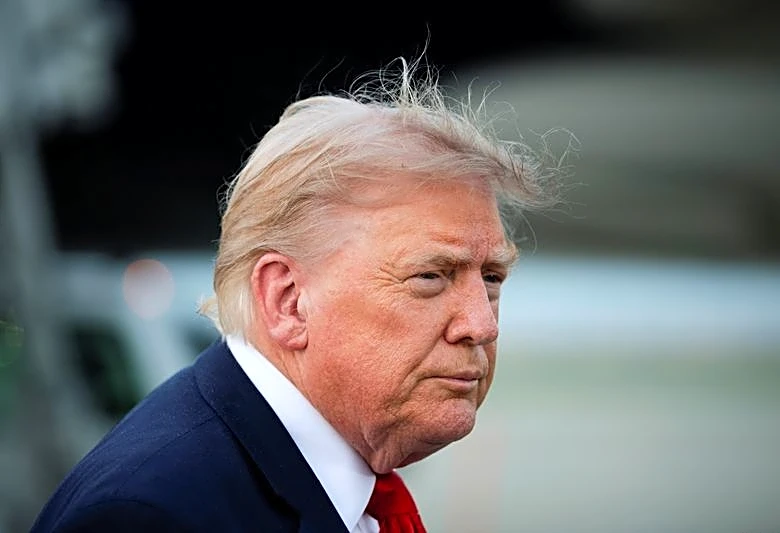
Two U.S. advocacy groups have filed a lawsuit against the Trump administration, claiming that sanctions targeting Palestinian rights organizations and International Criminal Court (ICC) officials violate Americans' First Amendment rights. The lawsuit,
filed in Manhattan federal court, argues that the sanctions have a chilling effect on Palestine-related advocacy, forcing Americans to sever professional ties and abandon constitutionally protected activities. The groups involved, Democracy in the Arab World Now (Dawn) and the Taxpayer Alliance Against Genocide, assert that their work documenting Israeli war crimes and collaborating with sanctioned entities is protected under the First Amendment. The lawsuit challenges the administration's use of the International Emergency Economic Powers Act, claiming it exceeds presidential authority.
Why It's Important?
This legal challenge highlights the tension between national security measures and constitutional rights in the U.S. The lawsuit underscores concerns about the potential overreach of executive power and its impact on free speech and association. The case could set a precedent for how far the government can go in using economic sanctions to influence international relations and domestic advocacy. It also raises questions about the balance between protecting national interests and upholding civil liberties, particularly in the context of foreign policy and human rights advocacy.
What's Next?
The lawsuit may lead to a judicial review of the Trump administration's sanctions policy, potentially influencing future executive actions. If successful, the case could limit the scope of presidential authority under the International Emergency Economic Powers Act, affecting how the U.S. implements sanctions in the future. The outcome may also impact U.S. relations with international bodies like the ICC and shape the legal landscape for advocacy groups working on international issues. The case is likely to attract attention from civil liberties organizations and could prompt further legal challenges to similar government actions.