
What's Happening?
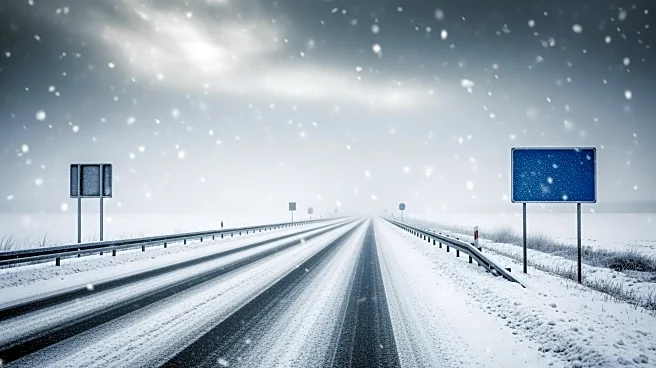
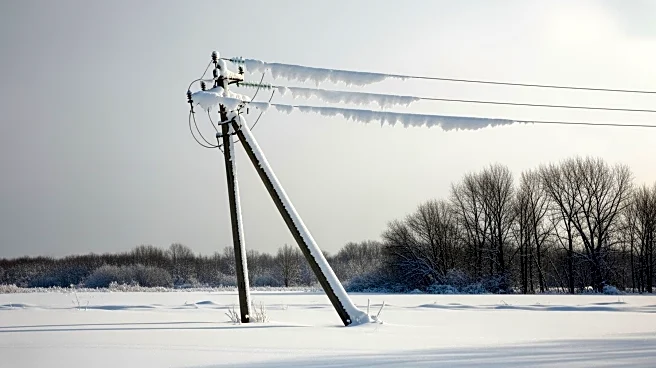
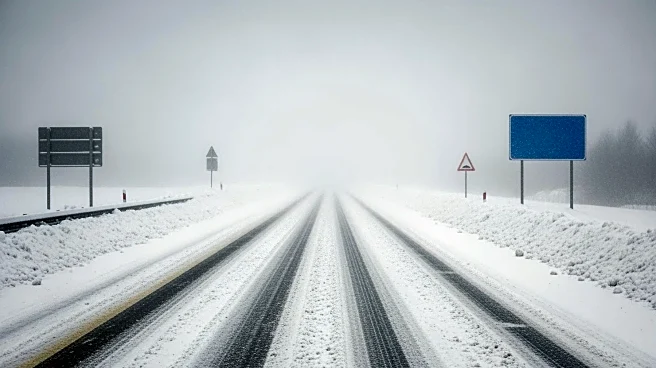
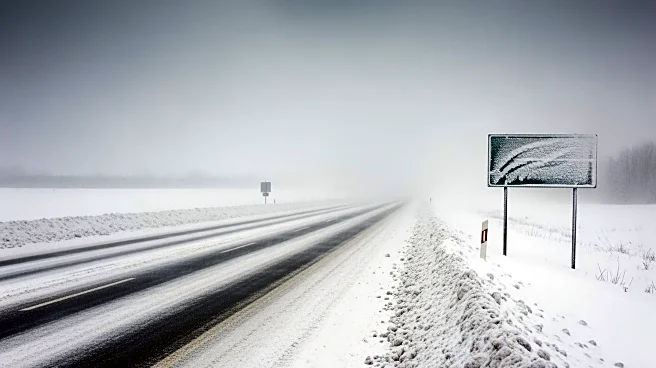
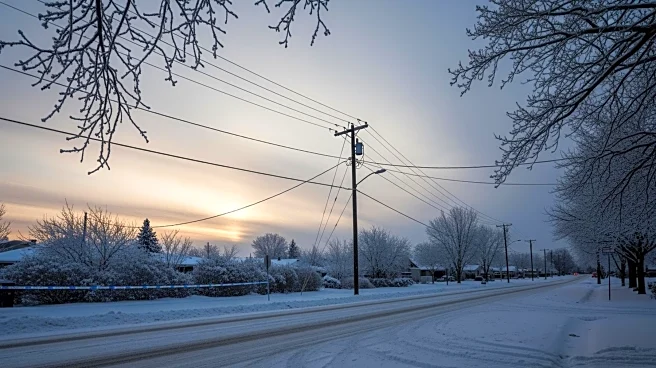
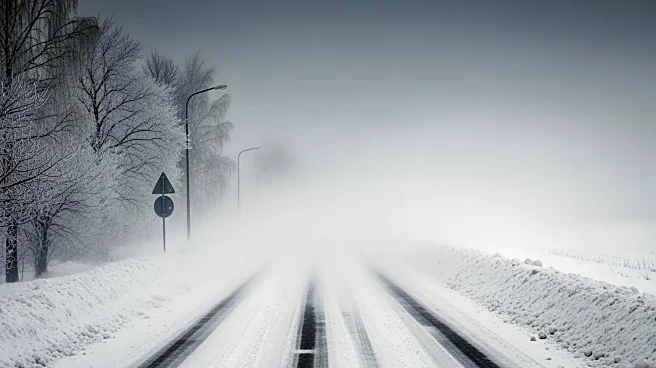
In Plymouth, Massachusetts, residents are grappling with the aftermath of a severe blizzard that has left many roads unplowed and numerous customers without power. The storm, which hit the area days ago, has resulted in significant disruptions, with local
authorities struggling to restore normalcy. The blizzard buried the region under a thick layer of snow, complicating efforts to clear roads and repair power lines. As a result, many residents are facing challenges in commuting and accessing essential services. The slow pace of cleanup and restoration has raised concerns among the community about the preparedness and response capabilities of local agencies in handling such extreme weather events.
Why It's Important?
The situation in Plymouth highlights the vulnerabilities of infrastructure in the face of extreme weather conditions, which are becoming increasingly common due to climate change. The extended power outages and unplowed roads not only disrupt daily life but also pose safety risks, particularly for vulnerable populations such as the elderly and those with medical needs. This event underscores the need for improved emergency preparedness and infrastructure resilience to mitigate the impact of future storms. Additionally, it raises questions about resource allocation and the effectiveness of current response strategies, prompting a reevaluation of policies to better protect communities from similar incidents.
What's Next?
Local authorities are expected to intensify efforts to clear roads and restore power as quickly as possible. This may involve deploying additional resources and personnel to expedite the cleanup process. In the longer term, there may be discussions at the municipal and state levels about investing in infrastructure upgrades and enhancing emergency response plans. Community feedback and experiences from this event could inform future policy decisions aimed at improving resilience against severe weather. Stakeholders, including government officials, utility companies, and residents, will likely engage in dialogues to address the challenges faced and explore solutions to prevent similar disruptions in the future.