




What's Happening?
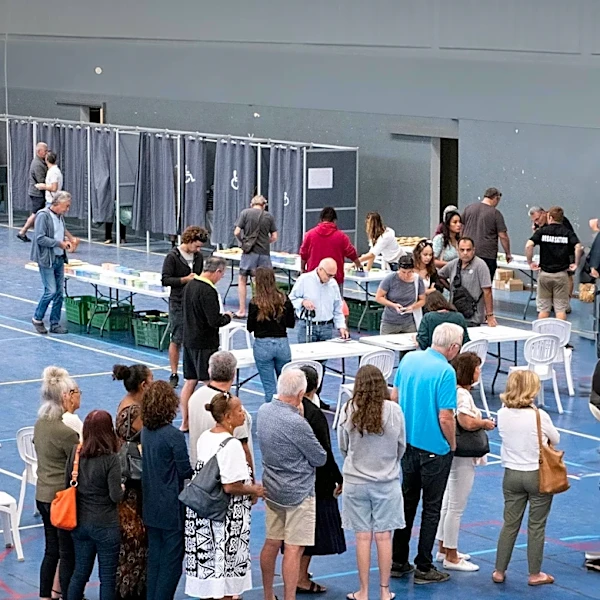
On November 3, voters in at least eight towns and cities across Maine will decide on implementing ordinances to control lot rent in mobile home parks. If passed, these measures could nearly double the number of localities offering financial protections
to mobile home park residents. This initiative stems from growing concerns over housing affordability in Maine, particularly within mobile home parks, which are often considered the last affordable housing option. Residents, who typically own their mobile homes but rent the land, have faced significant rent increases in recent years, sometimes accompanied by a decline in amenities and maintenance. State lawmakers previously enacted a law limiting lot rent increases to once per year with a 90-day notice but refrained from imposing rent caps, deeming it too blunt an instrument. Consequently, local governments are now stepping in to address the issue, with most proposed ordinances based on a state working group's template that suggests tying rent increase restrictions to the Consumer Price Index or a set percentage, typically up to 5%. Park owners would retain the ability to petition for higher increases, provided they justify the change to a designated local body.
Why It's Important?
These local votes are significant for several reasons. Firstly, they represent a grassroots effort to address housing affordability in a sector often overlooked but critical for low-income residents. Mobile home parks provide essential affordable housing, and unchecked rent increases can displace vulnerable populations. Secondly, the ordinances highlight a growing trend of local governments taking action when state-level legislation is perceived as insufficient. This could set a precedent for other states or localities facing similar housing crises. Thirdly, the debate underscores the tension between property owners' rights to set market rates and residents' need for stable, affordable housing. The Maine Manufactured Housing Association has indicated plans to sue towns that adopt such ordinances, signaling a potential legal battle that could shape future housing regulations. The outcome of these votes will directly impact the financial stability of mobile home residents and the operational models of park owners, influencing investment in and maintenance of these communities.
What's Next?
Following the November 3 vote, the immediate future will depend on the outcomes in each of the eight towns. If passed, these ordinances will likely face legal challenges from the Maine Manufactured Housing Association, leading to court proceedings that could determine the legality and enforceability of local rent control measures for mobile home parks. This legal scrutiny could clarify the boundaries of local regulatory authority over private property in Maine. For residents in towns where ordinances pass, there could be immediate relief from steep rent increases, potentially improving their financial security. Conversely, park owners might adjust their business models, possibly by reducing investments or services, or by seeking legal avenues to overturn the regulations. The broader implications could include a re-evaluation of state housing policies to provide more comprehensive solutions that balance the interests of both residents and property owners, potentially leading to new legislative proposals in the future.
Beyond the Headlines
The mobile home lot rent control debate in Maine touches upon fundamental questions of housing as a right versus housing as a commodity. The vulnerability of mobile home residents, who own their homes but not the land, creates a unique power imbalance that these ordinances seek to address. This situation highlights the broader issue of land ownership and its impact on housing security, particularly in a context where private equity firms are increasingly acquiring mobile home parks. The legal challenges anticipated from park owners could establish important precedents regarding the scope of local government intervention in private markets, especially concerning essential services like housing. Furthermore, the community organizing efforts by residents to push for these ordinances demonstrate the power of collective action in shaping local policy, potentially inspiring similar movements in other areas facing housing affordability challenges. This struggle reflects a societal tension between market efficiency and social equity, with mobile home parks serving as a microcosm of larger housing debates.