







What's Happening?
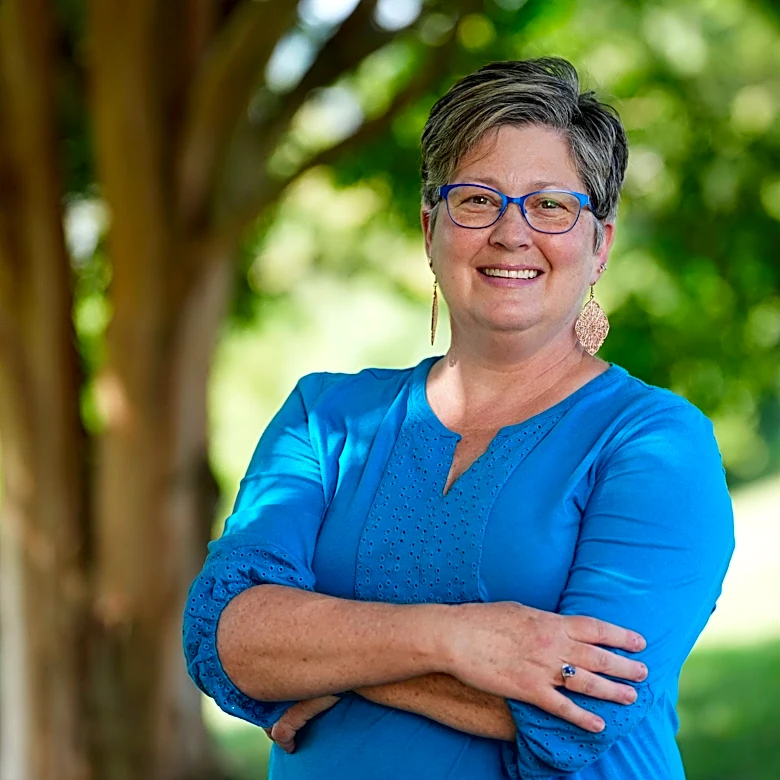
Karyann Parkinson, a mother in Virginia, was criminally convicted and placed on the state’s child-abuse and neglect registry for allowing her 5-year-old son, Samuel, to walk half a mile alone to a pond within their gated community. The incident occurred
on June 5, when a security guard, alerted by a neighbor, stopped Samuel and subsequently involved police and Child Protective Services. Parkinson was charged with contributing to the delinquency of a minor and received a six-month suspended jail sentence. She plans to appeal the conviction. This case has ignited a national debate on modern parenting philosophies, particularly 'free-range parenting,' which advocates for increased child independence and limited parental intervention. Parkinson, who studied family science, believes in giving children room to grow and build confidence, an approach she has applied successfully with her older children aged 7, 12, and 14.
Why It's Important?
This conviction highlights the ongoing tension between parental autonomy and state oversight in child-rearing, particularly concerning the concept of childhood independence. The case has become a flashpoint for advocates of free-range parenting, who argue that such legal actions stifle children's development of confidence and capability. Conversely, critics emphasize potential safety risks, especially near bodies of water, and the varying legal standards across states regarding unsupervised children. Virginia is one of over a dozen states with a 'reasonable childhood independence law,' yet the interpretation and application of these laws remain contentious. The American Academy of Pediatrics suggests children are typically ready for unsupervised street navigation around age 10, but surveys indicate many American children have less independence than this, with a significant percentage of 8-12 year olds not allowed in public without an adult. This incident underscores the need for clearer guidelines and a societal consensus on what constitutes appropriate independence for children.
What's Next?
Karyann Parkinson intends to appeal her conviction, which could set a precedent or further clarify the legal boundaries of free-range parenting in Virginia and potentially influence similar cases nationwide. The ongoing debate is likely to prompt further discussions among parents, legal professionals, and child welfare advocates about the balance between child safety and fostering independence. Organizations like Let Grow, which champions free-range parenting, will likely continue to use such cases to advocate for policy changes that protect parents who allow age-appropriate independence. Conversely, those advocating for more protective parenting may push for stricter interpretations or enforcement of child supervision laws. The outcome of Parkinson's appeal could influence legislative efforts in other states considering or refining their reasonable childhood independence laws, impacting how parents across the U.S. approach their children's freedom.
Beyond the Headlines
The Parkinson case delves into deeper societal shifts regarding trust, community, and the impact of perceived risks on child development. The rise of 'helicopter parenting' and the decline of unsupervised play are often attributed to a moral panic that began in the 1980s, fueled by disproportionate concerns about child abduction and a decrease in community trust. This has led to children spending more time indoors and online, potentially hindering their social and emotional development. The free-range parenting movement, championed by figures like Lenore Skenazy, seeks to reverse this trend, arguing that overprotection can be detrimental. The legal system's intervention in this case raises questions about whether current laws adequately support healthy child development or if they inadvertently criminalize parenting choices that were once considered normal. The ethical dimension revolves around defining 'neglect' in a rapidly changing social landscape, where community norms around child supervision have evolved significantly over generations.