




What's Happening?
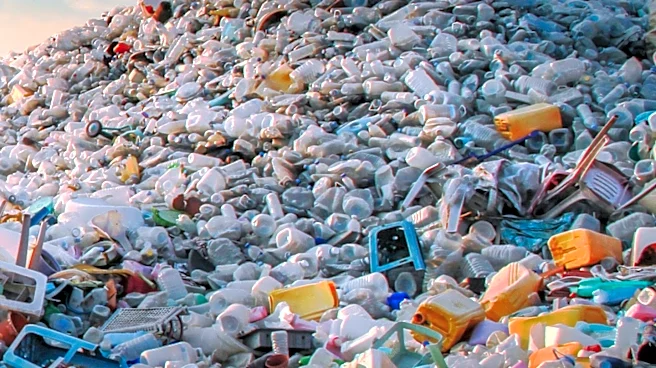
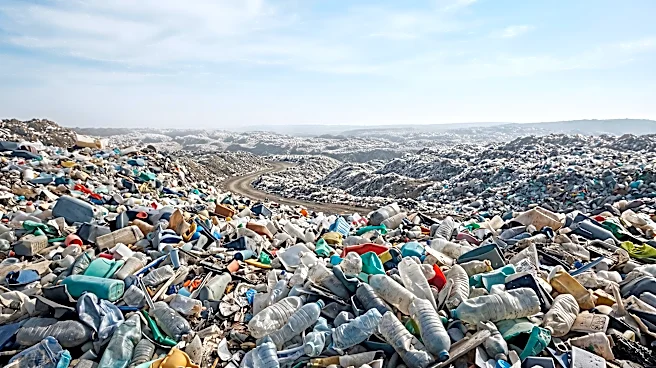
In Nairobi, Kenya, thousands of waste pickers at the Dandora landfill site are enduring severe health risks while attempting to salvage recyclable materials from the 2,000 tonnes of waste dumped daily. These vulnerable workers frequently suffer injuries
from sharp objects and are exposed to toxic fumes, highlighting the human cost of recycling in a country where the industry is still developing. Globally, 460 million tonnes of plastic are produced annually, yet only 9% of this total is recycled, according to the United Nations. Kenya, a pioneer in banning plastic bags on the African continent, faces a significant challenge in managing its waste, with only 7% of the plastic at Dandora being successfully recycled despite the immense efforts of these workers.
Why It's Important?
This situation in Kenya underscores the profound environmental and social justice issues embedded within the global plastic crisis. While efforts to ban single-use plastics are commendable, the reality on the ground reveals a critical gap in waste management infrastructure and worker protection. The health and safety of waste pickers, who are often marginalized and informal laborers, are severely compromised, exposing them to long-term health problems and perpetuating cycles of poverty. The low recycling rate, even with dedicated human effort, highlights the inefficiency of current systems and the overwhelming scale of plastic production. This scenario has broader implications for global sustainability goals, as it demonstrates that without comprehensive strategies for waste reduction, improved recycling technologies, and robust social protections, the environmental burden and human cost of plastic pollution will continue to mount.
What's Next?
Addressing the challenges faced by Kenyan waste pickers and the broader plastic crisis will require multi-faceted interventions. Immediate steps could include providing better protective gear, medical support, and safer working conditions for waste pickers. Long-term solutions involve significant investment in modern waste management infrastructure, including advanced recycling facilities and sorting technologies, to increase recycling rates and reduce reliance on manual, hazardous labor. Furthermore, international efforts to reduce plastic production and promote sustainable alternatives are crucial. Policy changes, such as extended producer responsibility schemes, could incentivize companies to design products for recyclability and take responsibility for their end-of-life management. The United Nations and other international bodies will likely continue to advocate for global treaties and initiatives to tackle marine plastic pollution and improve waste management practices worldwide.
Beyond the Headlines
The plight of waste pickers in Kenya reveals the hidden human cost behind global consumption patterns. The demand for cheap plastic goods in developed nations often translates into environmental degradation and human suffering in developing countries, where waste is frequently managed with inadequate resources. This situation raises ethical questions about global supply chains and the responsibility of consumers and corporations for the entire lifecycle of products. It also highlights the need for a more circular economy, where waste is minimized, and resources are reused or recycled efficiently, rather than relying on the hazardous labor of informal waste pickers. The story serves as a stark reminder that environmental problems are deeply intertwined with social inequality and that sustainable solutions must address both ecological and human well-being.