






What's Happening?
The Texas Animal Health Commission (TAHC) established a New World screwworm infested zone on November 5, following the detection of the pest in a bovine in Mitchell County. This newly designated zone encompasses portions of Fisher, Mitchell, Nolan, and
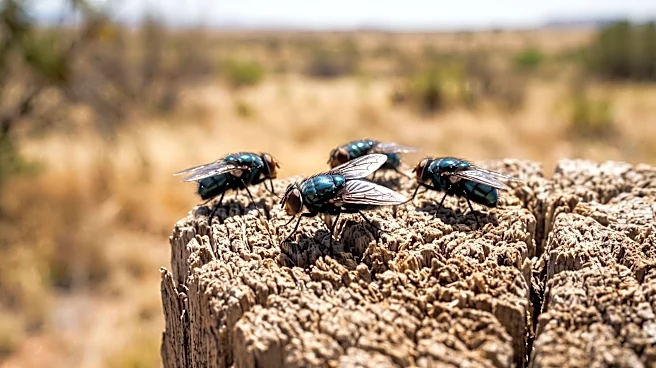
Scurry counties in West Texas. The New World screwworm is a parasitic fly whose larvae feed on the living tissue of warm-blooded animals, causing significant harm. The TAHC's map also indicates an adjacent surveillance zone surrounding the infested area, designed to monitor for further spread. This development comes amidst warnings from experts about the potential threat the screwworm poses to the Texas livestock industry and recent detections of the pest in Mexico, close to the U.S. border.
Why It's Important?
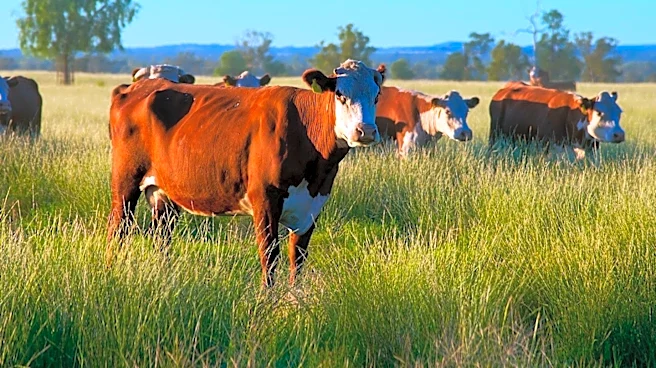
The establishment of this infested zone is a critical measure to contain the spread of the New World screwworm, which poses a severe threat to Texas's substantial livestock industry. An uncontrolled outbreak could lead to significant economic losses for ranchers due to animal illness, death, and the costs associated with treatment and prevention. The presence of screwworm can also trigger trade restrictions on livestock, further impacting the state's agricultural economy. Beyond livestock, the screwworm can affect wildlife, potentially disrupting local ecosystems. The proximity of a screwworm case in Mexico, just 70 miles from the U.S. border, underscores the ongoing biosecurity challenges and the need for vigilant monitoring and rapid response to prevent widespread infestations that could have long-lasting economic and environmental consequences.
What's Next?
The Texas Animal Health Commission will continue to monitor the infested and surveillance zones closely. Measures typically include increased surveillance, public outreach to livestock producers and pet owners, and potential implementation of control strategies such as the release of sterile male flies to disrupt the screwworm's reproductive cycle. Livestock movement within and out of the infested zone will likely be subject to strict regulations, including inspections and potential treatment requirements, to prevent further dissemination of the pest. The duration of these zones will depend on the success of eradication efforts and the absence of new cases. Collaboration between state and federal agencies, as well as cooperation from the agricultural community, will be essential in managing and ultimately eradicating this threat.
Beyond the Headlines
The re-emergence of the New World screwworm in Texas highlights the persistent vulnerability of agricultural systems to invasive species and the importance of robust biosecurity protocols. This situation underscores the interconnectedness of animal health across national borders, as evidenced by the detection in Mexico. It also brings to the forefront the historical success of eradication programs, as the screwworm was largely eliminated from the U.S. decades ago through concerted efforts. The current outbreak serves as a reminder that vigilance and sustained investment in animal health infrastructure are crucial to prevent the re-establishment of such pests. The response will likely inform future strategies for managing transboundary animal diseases and could influence policy discussions on agricultural biosecurity and international cooperation.